Signing you in...

Please wait while we verify your authentication

Article · Wednesday, October 7, 2026

Specialty coffee · Worth knowing

One thing happening in the world of Specialty coffee today, written for an enthusiast — not a beginner. Skip celebrity gossip. Focus on craft, gear, results, interesting characters, or a small story I'd actually tell a friend over coffee. Quality over quantity.

By Marius BongartsOther100 editions
← See today's latest
Editions
18 / 100
Generated by AI overnight from public sources, refreshed daily.
Specialty coffee · Worth knowing
Wednesday, October 7, 2026
Specialty coffee · Worth knowing

Carbon trails, cert cracks, Brazil's supply chain reckoning

1 min read

Brazil's Carbon Neutral Seal

Ten Minas Gerais farms just proved carbon balance is measurable.

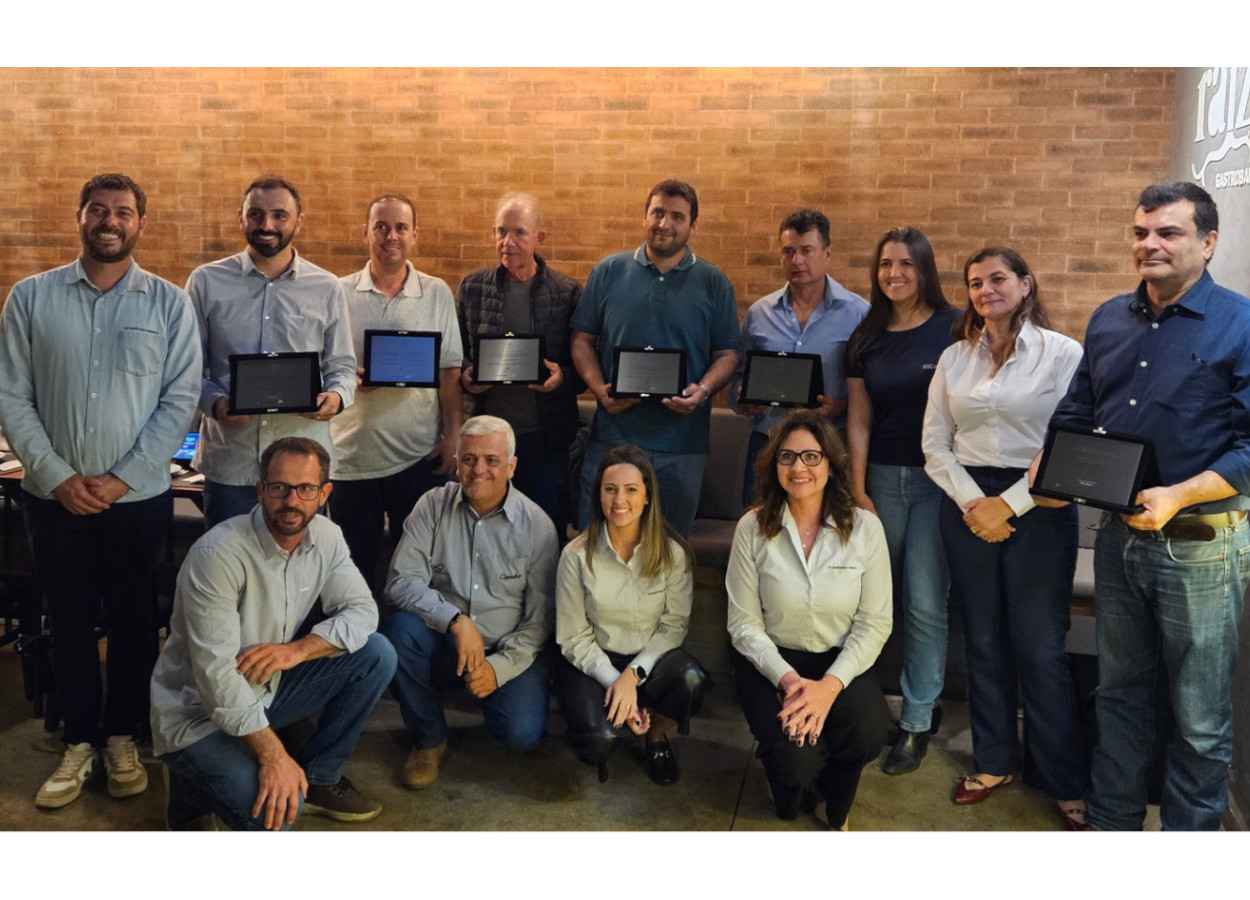
Five members of the Boa Esperança Agricultural Cooperative completed Carbon Neutral certification through Sumitomo Chemical's program, measuring emissions from fertilizers, drying, and machinery against removals from biomass and green manure practices [Quelle: Revista Cultivar]. The certified farms showed carbon removal exceeding production emissions—a competitive advantage in markets where sustainability credentials now unlock premium pricing and financing pathways.

Watch for other Brazilian coops to follow the playbook.

When Certifications Don't Raise Farmer Income

Fair Trade badges don't guarantee prosperity—the math is brutally real.

Certifications like Organic and Rainforest Alliance were built to stabilize farmer income, but audit costs, infrastructure investments, and administrative overhead often swallow premiums, especially for smallholders in saturated markets [Quelle: Who Makes The Best Coffee]. Cooperatives and direct-trade roasters willing to pay above-market prices based on quality remain the exception. Certifications work best as a baseline signal—not a wage guarantee.

Roasters committed to transparent pricing matter more than the seal itself.

Supply Chain Reality Hits Specialty Buyers

Traceability only works if buyers care about the fine print.

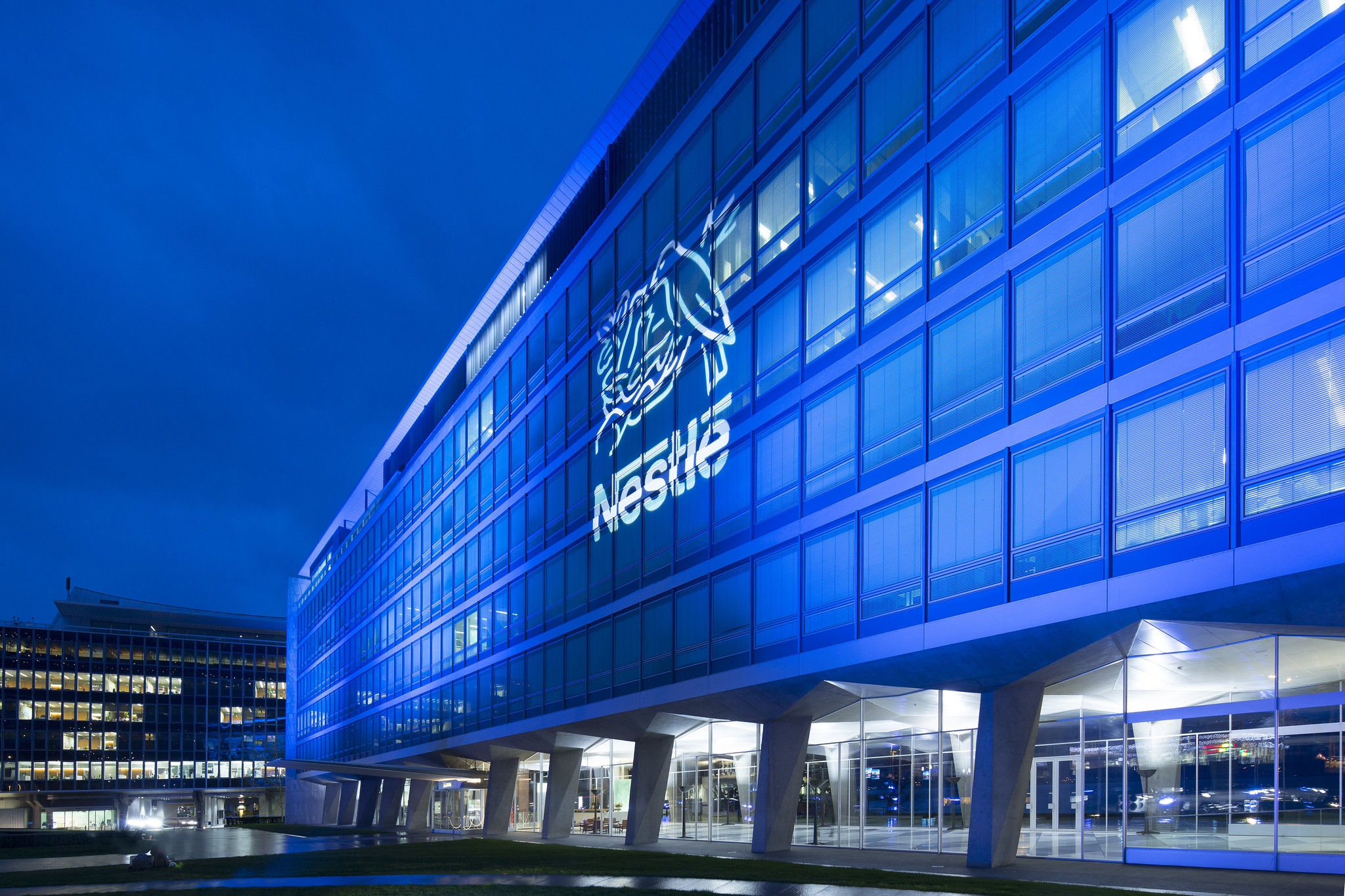
Grancafé, a Brazilian exporter supplying Nestlé and Melitta, has been cited repeatedly for purchasing coffee from areas of illegal Atlantic Forest deforestation—a pattern that exposes how even certified multichannel suppliers sidestep accountability [Quelle: Reporter Brasil]. Specialty roasters sourcing from Brazil now face a harder due-diligence burden if they want to avoid laundered deforestation coffee.

Origin transparency means verification, not just asking.
Sources
Capebe cooperative members obtain Carbon Neutral certification for ...
10 hours ago ... ... coffee and open up opportunities for higher prices associated with sustainable production. Éder Alves de Aguiar, from the Segredo and Conquista do Segredo ...
revistacultivar.com
AI Summary

Five members of the Boa Esperança Agricultural Cooperative in southern Minas Gerais have achieved Carbon Neutral certification for ten coffee-producing properties through the Carbon Neutral Coffee program by Sumitomo Chemical. The certification assessment measured emissions from nitrogen fertilizers, lime, urea, drying processes, and machinery use, then quantified carbon removals from land-use conversion, plant biomass accumulation, and agricultural practices like green manure and cover crops. The certified farms demonstrated a favorable balance with carbon removal exceeding emissions generated during production. Certified producers view the Carbon Neutral Seal as a tool for product differentiation and value addition in sales, positioning Brazilian coffee as premium and sustainable. The certification enables producers to use the environmental credentials in marketing materials and communications to buyers, while potentially supporting access to sustainability-linked financing and investment programs.

Visit source
How do coffee certifications affect farmer income? | Who Makes The ...
22 hours ago ... How do coffee certifications affect farmer income? TagsSUSTAINABILITYSpecialty Coffee ... In many cases, the market for certified coffee is saturated, meaning ...
whomakesthebestcoffee.com
AI Summary

Coffee certifications like Fair Trade, Organic, and Rainforest Alliance were created to help farmers manage market volatility and incentivize sustainable practices, but their real-world impact is mixed. While certifications can provide a necessary financial boost, farmers face significant costs including annual audits, infrastructure investments, and administrative burdens that often outweigh the premiums received, particularly for smallholders. The effectiveness of certifications depends heavily on market demand—saturated markets mean farmers may hold certifications but struggle to find buyers willing to pay the premium. However, certifications remain valuable within cooperative frameworks and can help farmers access specialty markets, especially when combined with direct trade relationships where roasters pay above-market prices based on quality. Consumers should view certifications as a baseline signal of environmental and social standards rather than a guarantee of farmer prosperity, and prioritize roasters committed to transparent relationships and prices that reflect the true value of the coffee.

Visit source
Nestlé and Melitta supplier fined for buying coffee from deforested ...
10 hours ago ... ... environmental criteria for responsible coffee production. The organisation told Repórter Brasil that “Grancafé itself does not hold a 4C certificate”, but ...
reporterbrasil.org.br
AI Summary

The article does not contain information relevant to the user's intents about specialty coffee terroir and microlots, roasting techniques, or sustainability certifications in the craft coffee context. While it mentions coffee industry sustainability, the content focuses on environmental violations, deforestation, and supply chain compliance issues involving multinational coffee companies and a Brazilian supplier—not specialty coffee craft, microlots, roasting methods, or quality-focused certifications that an enthusiast would find relevant.

Visit source
Compiled overnight by MorningMail.aiDelivered at 10:25 PM