Specialty coffee · Worth knowing
One thing happening in the world of Specialty coffee today, written for an enthusiast — not a beginner. Skip celebrity gossip. Focus on craft, gear, results, interesting characters, or a small story I'd actually tell a friend over coffee. Quality over quantity.
← See today's latestKenya peaberries, fermentation precision, and traceability gains
Kenya Peaberry Fermentation
Dense, high-altitude peaberries are becoming a roaster's puzzle to solve.
Royal Coffee's Crown Jewel lot from the Ndiaini Factory in Nyeri County traces back to 315 smallholder farmers organized through the Rumukia Farmer Cooperative—depulped, fermented overnight, then washed in fresh river water and dried on raised beds over 2–3 weeks [Quelle: Royal Coffee]. The SL28, Ruiru 11, and Batian cultivars at 1815 meters altitude create dense beans that demand careful roasting intervention. Roast profiles from Aillio Bullet, Ikawa Pro V3, and Diedrich IR5 machines document how roasters are chasing bright peach, citrus, and savory complexity—proving the interplay between origin processing precision and roast curve design.
This is what happens when traceability scales to the cooperative level.
Traceability Expands Supply Chain
Following up on yesterday's traceability theme, the supply chain is pushing fermentation details further into the spotlight.
Swiss Water's Colombian microlot from Los Arrayanes now carries expanded transparency—you can follow the bean from cooperative hands through fermentation and drying, steps most importers still treat as a black box [Quelle: Sprudge]. When importers make fermentation visible, producers compete on craft rather than just yield, and roasters name the processor as loudly as they name the farm. Expect other origins to follow this playbook as demand for processing intentionality keeps climbing.
Transparency is becoming a sourcing standard, not an exception.
Verifying Ethical Coffee Sourcing
Greenwashing is harder to hide when verification methods are transparent.
Kiboko Coffee's guide to ethical sourcing walks roasters and retailers through recognized certifications, supply chain documentation, and how to spot false transparency claims [Quelle: Kiboko Coffee]. The framework separates genuine direct-trade relationships—where you can name the farmer and the processor—from commodity claims dressed up as craft. For enthusiasts sourcing their own beans, this is the checklist that separates real traceability from marketing noise.
Know what questions to ask before you buy.
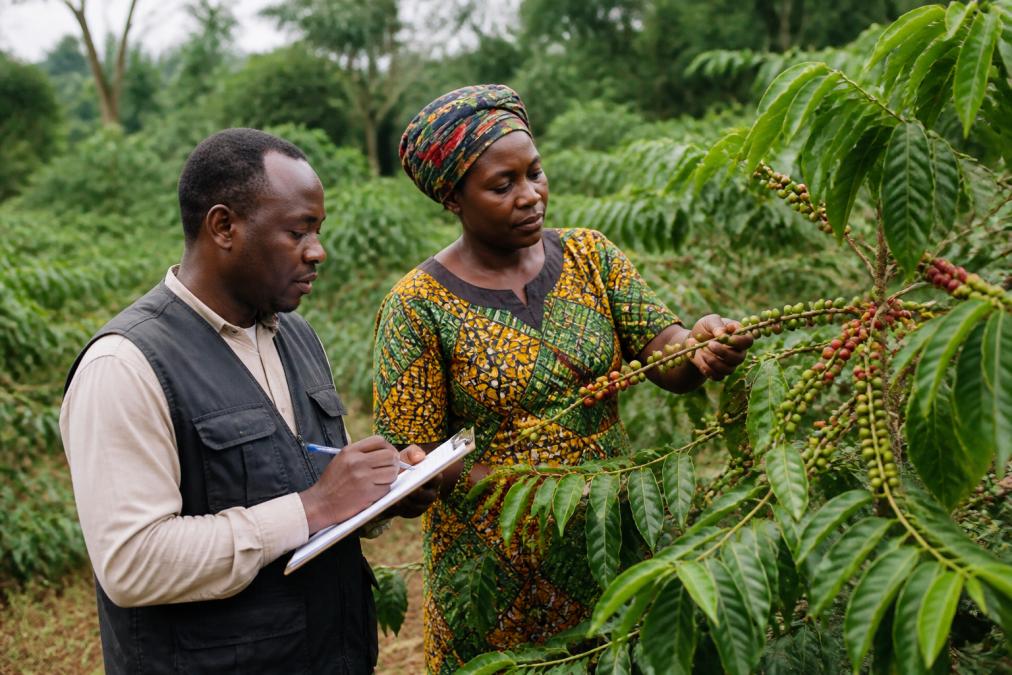 How to Verify Ethical Coffee Sourcing14 hours ago ... Best Ethically Sourced Coffee Beans: What to Look For. When you're shopping ... Check whether the roaster publishes sourcing stories, farmer profiles, or supply ...kiboko.coffee
 Crown Jewel Kenya Peaberry Washed Ndiaini Factory - 16KE20045 hours ago ... This still wasn't enough to tame the beast, and I observed divergent trends ... Stay in the loop on new arrivals, market updates, and events from Royal Coffee.royalcoffee.com