Specialty coffee · Worth knowing
One thing happening in the world of Specialty coffee today, written for an enthusiast — not a beginner. Skip celebrity gossip. Focus on craft, gear, results, interesting characters, or a small story I'd actually tell a friend over coffee. Quality over quantity.
← See today's latestProcessing labs race ahead, origin roasting redefines authorship
Colombia's fermentation leap
Three Colombian labs just rewrote what controlled fermentation can do.
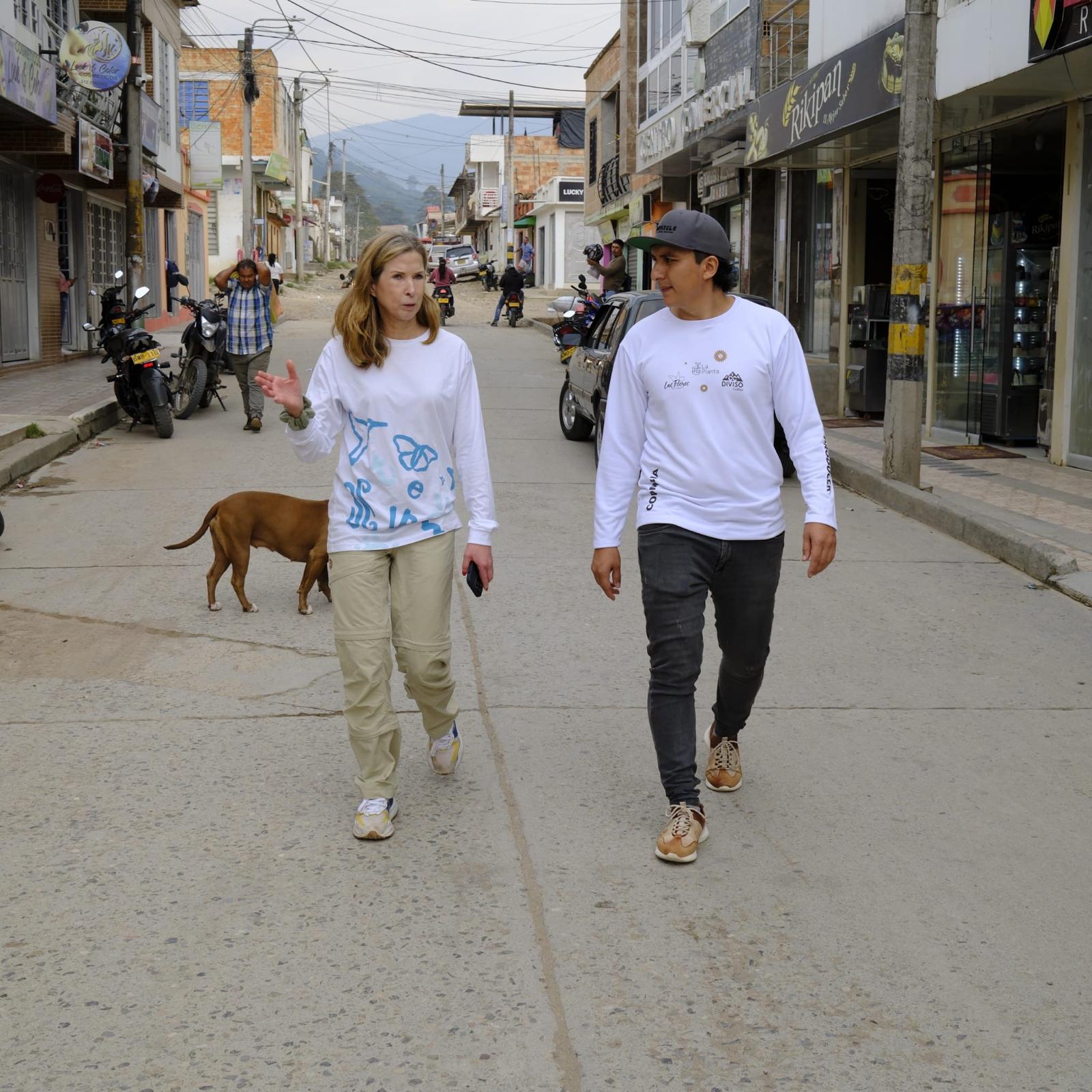
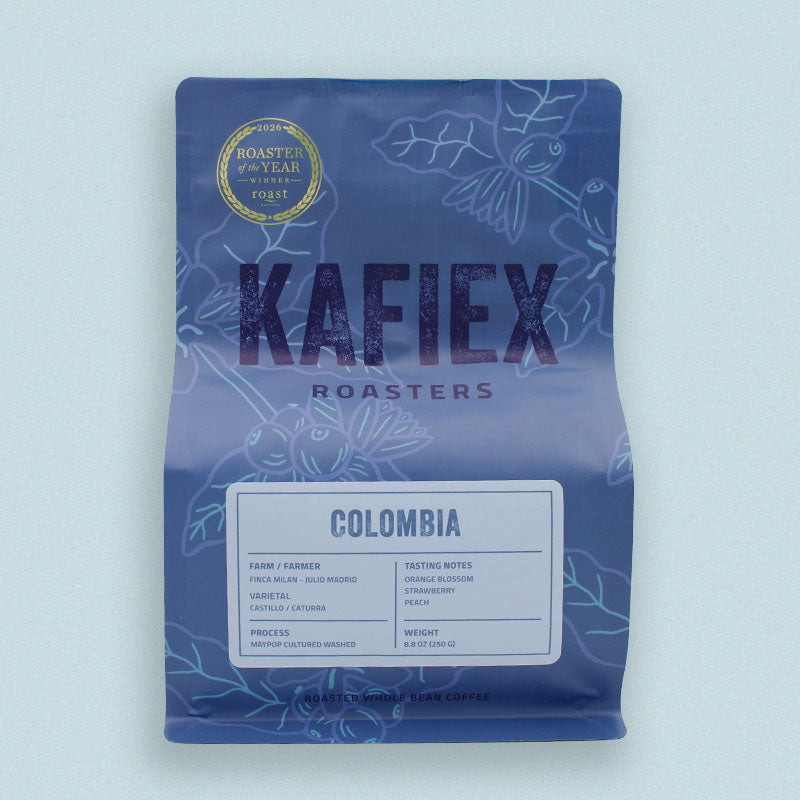
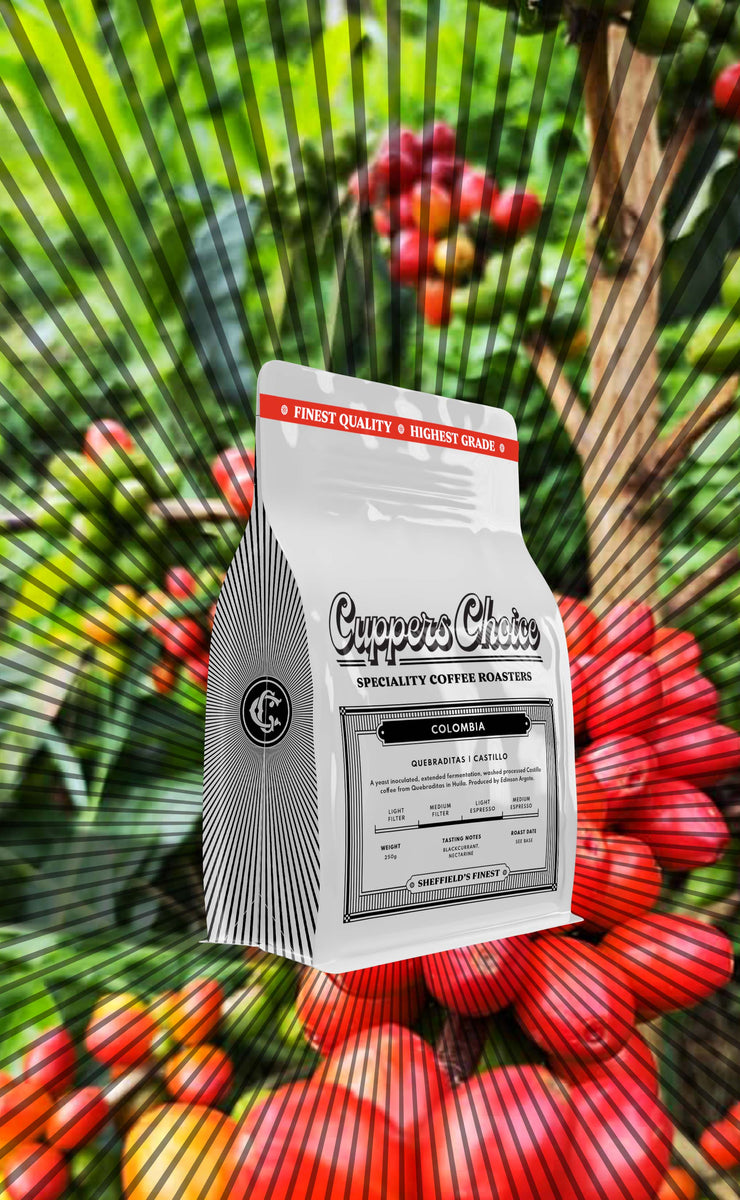
The Lasso family at Finca El Diviso engineered a multi-stage anaerobic process for Sudan Rume—thermal shock at 50°C to open fruit pores, mosto recirculation during oxidation, then sealed fermentation in bio-reactor tanks for 36 to 80 hours [Quelle: Cafe Velvet]. The result amplifies tropical fruit and apricot syrup while holding clarity and body. Edinson Argote's Quebraditas project pairs yeast fermentation below 25°C with precise drying at 38°C for 76 hours, all tracked by pH and Brix [Quelle: Cuppers Choice]. Finca Milán's cultured washed method introduces passionfruit and microbial starter cultures during six to eight days of controlled anaerobic work, tuning orange blossom and strawberry into repeatable expression rather than gamble [Quelle: Kafiex Roasters].
Processing has stopped being an art and become an engineering discipline.
Origin roasting flips the power
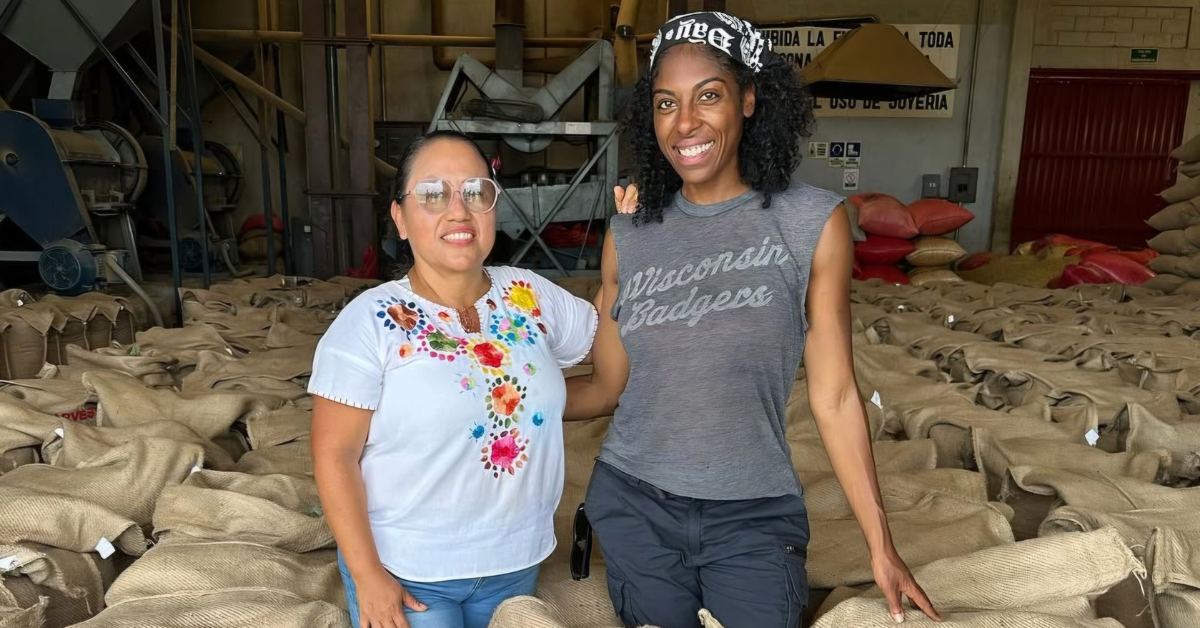
Shanita Nicholas just named the structural problem specialty coffee won't admit.
Destination roasting moved beans away from origin and into distant markets where someone else's palate decided what they should taste like—flattening the supply chain into transaction and erasing the grower's voice [Quelle: Coffee Fest]. Origin roasting reverses that: the producer roasts their own coffee, retaining full authorship and building flavor around their microclimate and tradition instead of fitting into Copenhagen's expectations. When origin roasters arrive at market with curves calibrated to altitude and processing decisions made by people who've tasted that soil for generations, existing specialty standards get uncomfortable—which Nicholas sees as the most interesting moment in the industry right now.
The cup stops being interpreted and starts being received.
Why hospitality rewrites everything
Coffee's next frontier is structural, not technical.
Nicholas frames origin roasting as a hospitality problem: the difference between making someone feel served (transaction) and making them feel received (presence). A café pouring origin-roasted coffee asks customers into relationship with a place; serving commodity coffee beautifully presented asks them to trust curation [Quelle: Coffee Fest]. That distinction changes what a city feels like. Los Angeles during 2028's Olympics could answer the hospitality question with coffeehouses as cultural infrastructure—origin roasters from Brazil, Ethiopia, Colombia, Indonesia pouring cups that carry complete authorship, where sensory experience is inseparable from maker story.
The infrastructure either catches up or the moment passes.
 SUDAN RUME by Nestor Lasso - Cafe Velvet3 hours ago ... ... innovation protocol. Instead of a traditional passive natural process, their ... The coffee ferments anaerobically for 36 to 80 hours under strict ...cafevelvet.co
 Finca Milán Maypop Cultured Washed Coffee | Kafiex Roasters21 hours ago ... Finca Milán is part of Café UBA, a group of farms in Risaralda known for combining coffee tradition with fermentation research and innovative processing.kafiex.com
 Quebraditas | Castillo | Colombia - Cuppers Choice11 hours ago ... Simply amazing. Discover this incredible yeast inoculated washed process coffee produced by Edinson Argote from Quebraditas, sourced in partnership with ...cupperschoice.coffee
 The Emotional Wave: Origin Roasting & the Future of Sensory ...10 hours ago ... Innovation in specialty coffee is frequently measured by technology and data, but the most disruptive shift ahead is relational. Certified Q Grader and ...coffeefest.com