Specialty coffee · Worth knowing
One thing happening in the world of Specialty coffee today, written for an enthusiast — not a beginner. Skip celebrity gossip. Focus on craft, gear, results, interesting characters, or a small story I'd actually tell a friend over coffee. Quality over quantity.
← See today's latestPepe Jijón's Rainbow Wave, lever vs pump, burr choice matters
Pepe Jijón's Rainbow Wave
One producer just weaponized fermentation sequencing.
Pepe Jijón from Ecuador's Finca Soledad released Rainbow Wave Sidra, a coffee built on a controlled four-method blend: natural, honey, anaerobic, and washed processing stacked in one lot. The process chains 8 days of dark-room dehydration, 4 days of bagged cold fermentation post-de-pulping, then quick rinse and dry—each stage designed to highlight its own strengths while keeping the cup clear [Quelle: September Coffee]. Jijón is a Q Processing Professional who's been advancing fermentation technique through years of collaboration with world-class roasters, and this coffee lands the theory in your grinder: delicate florals, sweet apricots, black tea, crisp red apples.
Following up on yesterday's processing labs, this is what happens when a single producer becomes their own lab.
Lever vs pump: know what you're buying
Your espresso philosophy matters more than the machine.
A new gear guide breaks down the tension between lever machines like the ROK Espresso GC and Flair 58 Pro 2—which offer manual pressure shaping, no electricity, and entry under $200—and semi-automatics like the Gaggia Classic Pro and Breville Bambino Plus, which deliver stable 9-bar pump pressure and faster heat-up [Quelle: CoffeeGear360]. Lever machines demand real technique and physical effort; pumps trade some control for consistency. The real decision isn't machine type—it's matching your actual daily routine (milk drinks, available morning time, tolerance for learning) to your daily ritual.
Long-term costs vary wildly: boiler machines outlast thermocoils by years, and all setups need a separate quality grinder.
Conical or flat burr? Know the trade-off
Burr shape rewrites what's in the cup.
Conical burrs spin low and cool, producing more fines that build sweetness and body; flat burrs run high and hot, creating fewer fines for cleaner cups with brighter tasting notes [Quelle: Seattle Coffee Gear]. For espresso, flat burrs shine with light roasts and single origins, while conicals suit darker roasts and dial in easier. For filter, flat burrs excel with pour-over and drip; conicals add body to French press and cold brew.
Entry and mid-tier grinders are conical because they're simpler to engineer; flat burrs command higher prices and pair best with single-dosing anti-retention setups.
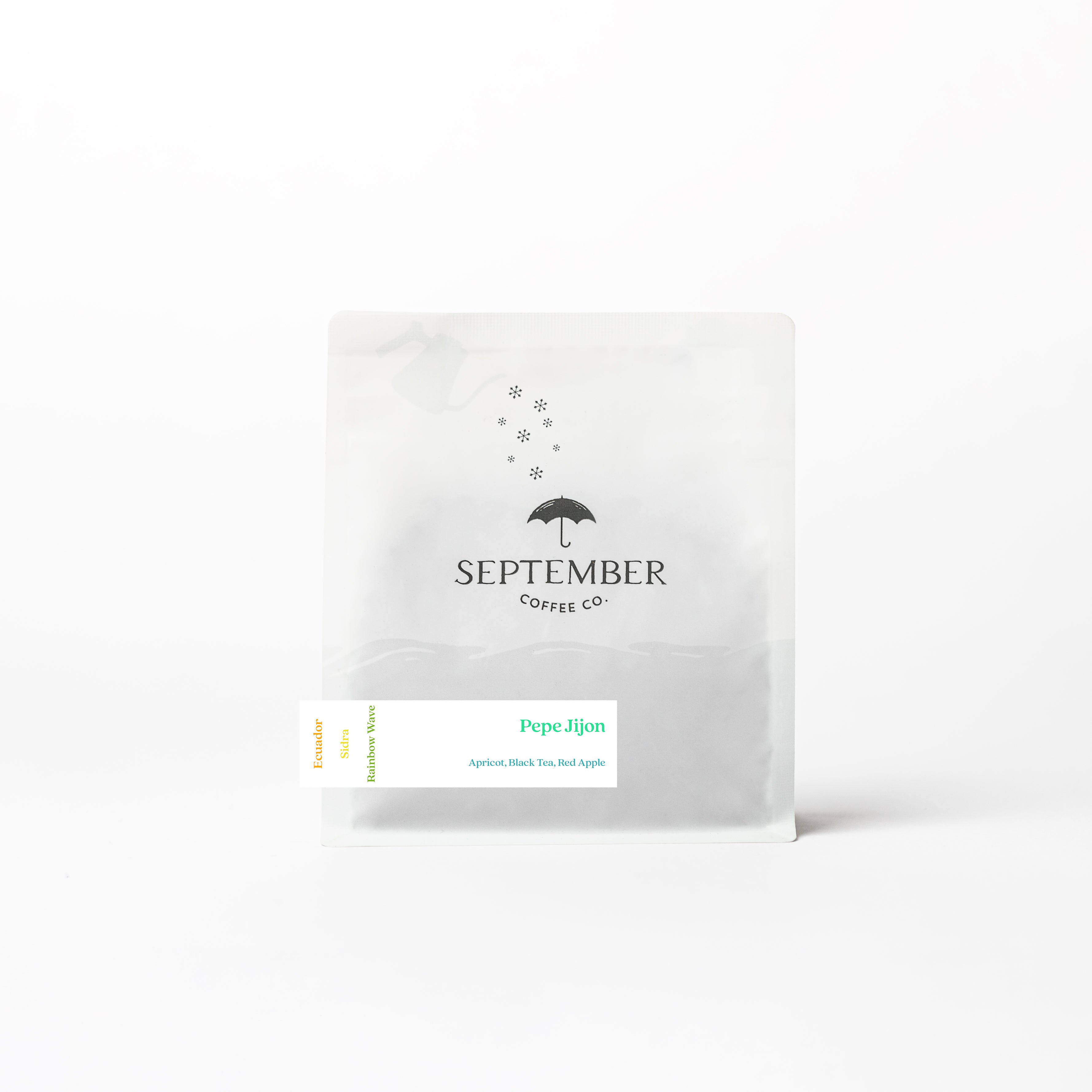 Pepe Jijón - Rainbow Wave Sidra - September Coffee18 hours ago ... Processing. Named the "Rainbow Wave" for its journey across multiple fermentation stages, this processing is a multi-step innovative method that, in Pepe's ...september.coffee
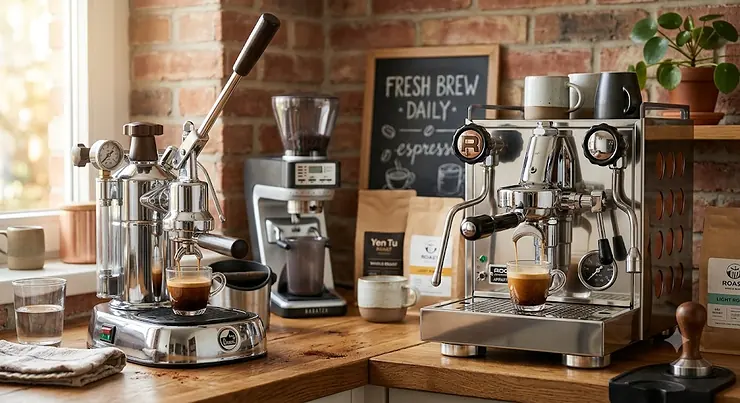 Lever vs Semi Automatic Espresso Machine: 7 Real Picks (2026)17 hours ago ... The CoffeeGear360 Team is a group of specialty coffee enthusiasts, home baristas, and gear specialists dedicated to honest, hands-on equipment reviews. We test ...coffeegear360.com
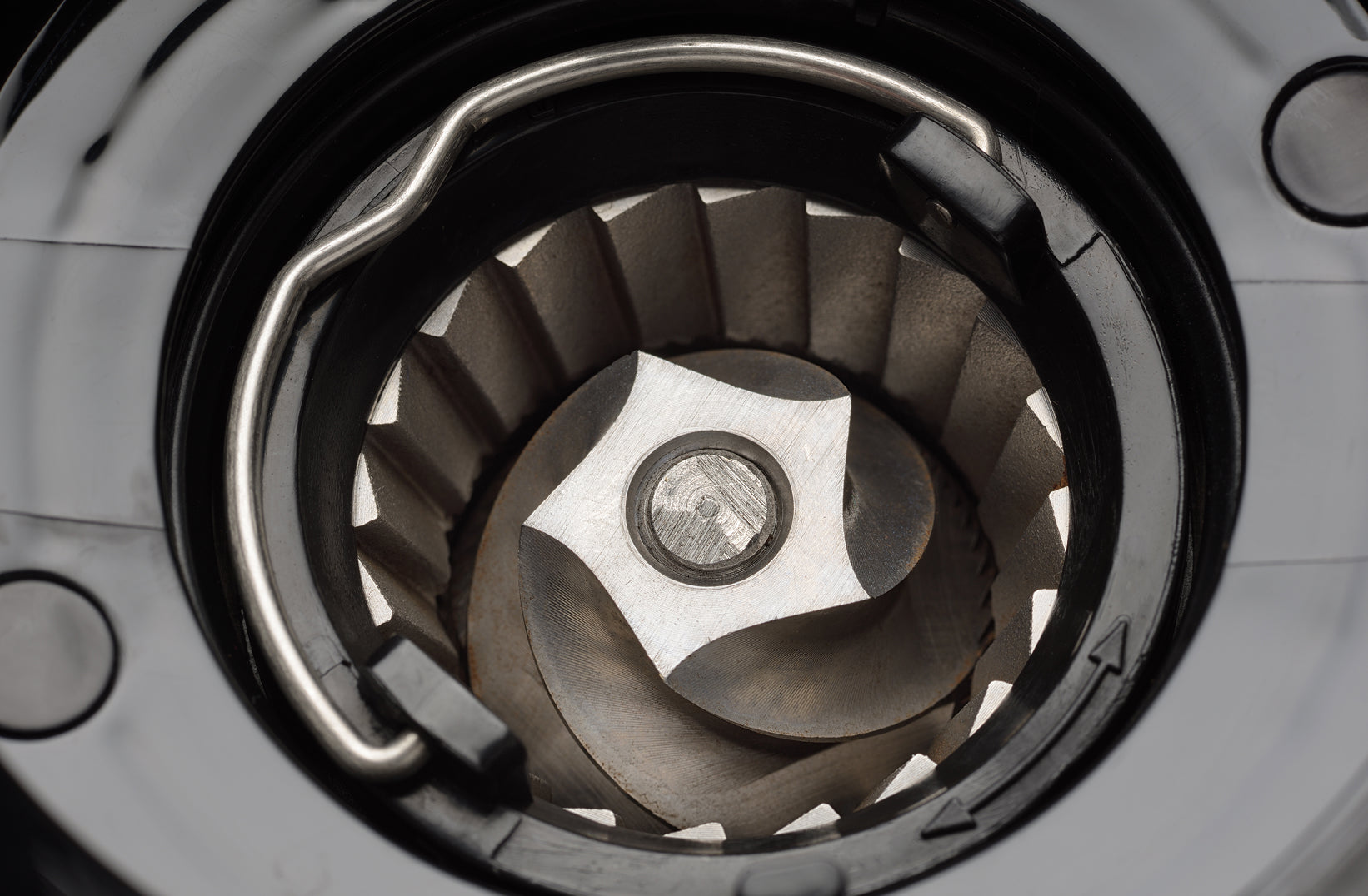 Conical vs Flat Burr Grinder: How to Choose | Seattle Coffee Gear6 hours ago ... With years of hands-on experience testing espresso machines, coffee makers and everything in between, Pat provides detailed, no-nonsense reviews to help coffee ...seattlecoffeegear.com