Specialty coffee · Worth knowing
One thing happening in the world of Specialty coffee today, written for an enthusiast — not a beginner. Skip celebrity gossip. Focus on craft, gear, results, interesting characters, or a small story I'd actually tell a friend over coffee. Quality over quantity.
Guji's forest coffee wins; Colombia's fermentation doubling down
Ethiopia Guji Suke Quto
A Guji washed coffee just proved forest conservation scales.
Partners Coffee's Suke Quto, from a 2000-founded conservation project that grows native coffee under existing canopy rather than clearing land, took the 2026 Good Food Award [Quelle: Partners Coffee]. The Kurume and Wolisho varieties from Odo Shakisso sit at light roast and sing: yellow peach, apricot, lime, bergamot, orange blossom, toasted coconut, caramel syrup. This is what happens when origin economics reward the hardest path—forest cover, not monoculture.
Watch for Guji's allocation pressure next spring.
Colombia's Anaerobic Precision
Following up on yesterday's fermentation story, Colombia is layering another technique into the arsenal.
Ana Maria Donneys of Finca Paloma in Quindío spent 48 hours fermenting Caturra and Castillo varieties anaerobically in sealed vats, then paired it with oxygenated washing—a deliberate flip from pure sealed fermentation [Quelle: Decker Island Coffee]. The fifth-generation grower and Q-Grader co-founded the International Women's Coffee Alliance in Colombia and now uses controlled oxygen reintroduction to shape microbial balance mid-ferment. Cranberry, orange, vanilla, caramel emerge with creamy body and bright acidity—proof that oxygen timing, not just sealing, is the new lever.
Processing technique is now the language roasters use to compete.
Luciano Repetto's Roasting Discipline
A roasting pioneer just earned his spot in the 2026 Sprudge Twenty at eighty.
Luciano Repetto of Graffeo Coffee pioneered fluid-bed roasting in America during the 1970s and has spent five decades refining a minimal menu with extraordinary care—his dark roast alone consumed thousands of hours of temperature-driven experimentation [Quelle: Sprudge]. Now in his 80s, Repetto still works daily to hold roasting standards exact, crediting mentor Mike Sivetz for teaching him the science behind the craft. His philosophy: quality requires deep study and commitment, not casual business.
Discipline outlasts trends.
 Ethiopia - Suke Quto: Limited Release Single Origin Coffee20 hours ago ... Front of 12oz Ethiopia Suke Quto coffee bag showing Partners logo and tasting notes: peach · Roast level graphic showing a light roast and tasting notes of peach ...partnerscoffee.com
 Colombia - Finca Paloma - 48 - Decker Island Coffee17 hours ago ... Single Origin Specialty Grade Coffee. Country: Colombia Region: Quindío ... Tasting notes: Cranberry, Orange, Vanilla + Caramel. One of the best ...deckerislandcoffee.com
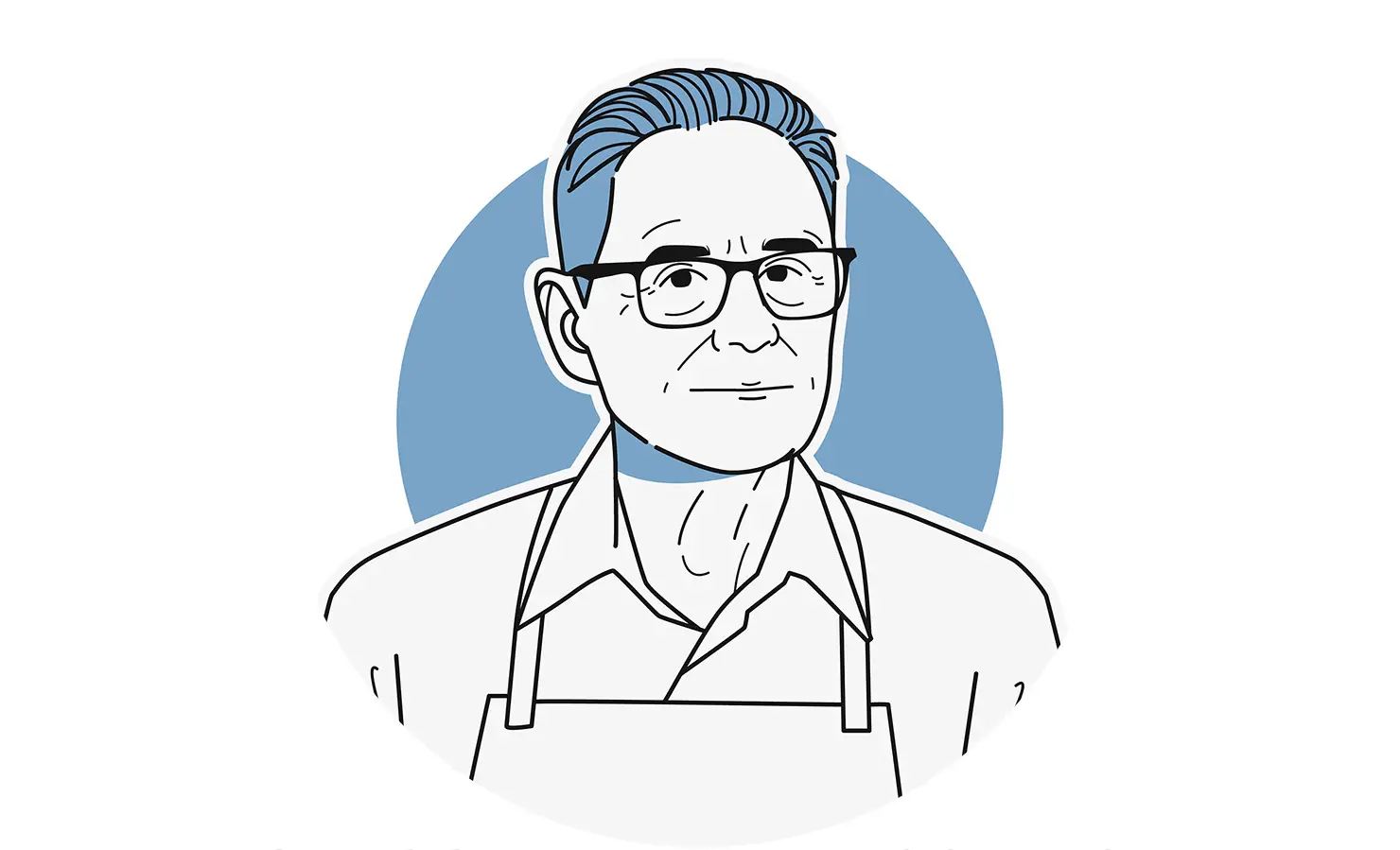 Luciano Repetto Of Graffeo Coffee: The Sprudge Twenty Interview8 hours ago ... ... specialty coffee community. You can view this year's Sprudge 20 honorees ... Anything done well is an art, but roasting coffee is also a technology. He ...sprudge.com