Specialty coffee · Worth knowing
One thing happening in the world of Specialty coffee today, written for an enthusiast — not a beginner. Skip celebrity gossip. Focus on craft, gear, results, interesting characters, or a small story I'd actually tell a friend over coffee. Quality over quantity.
← See today's latestAnaerobic clarity beats intensity, Congo breaks auction records
Anaerobic clarity over intensity
Anaerobic fermentation doesn't have to taste loud.
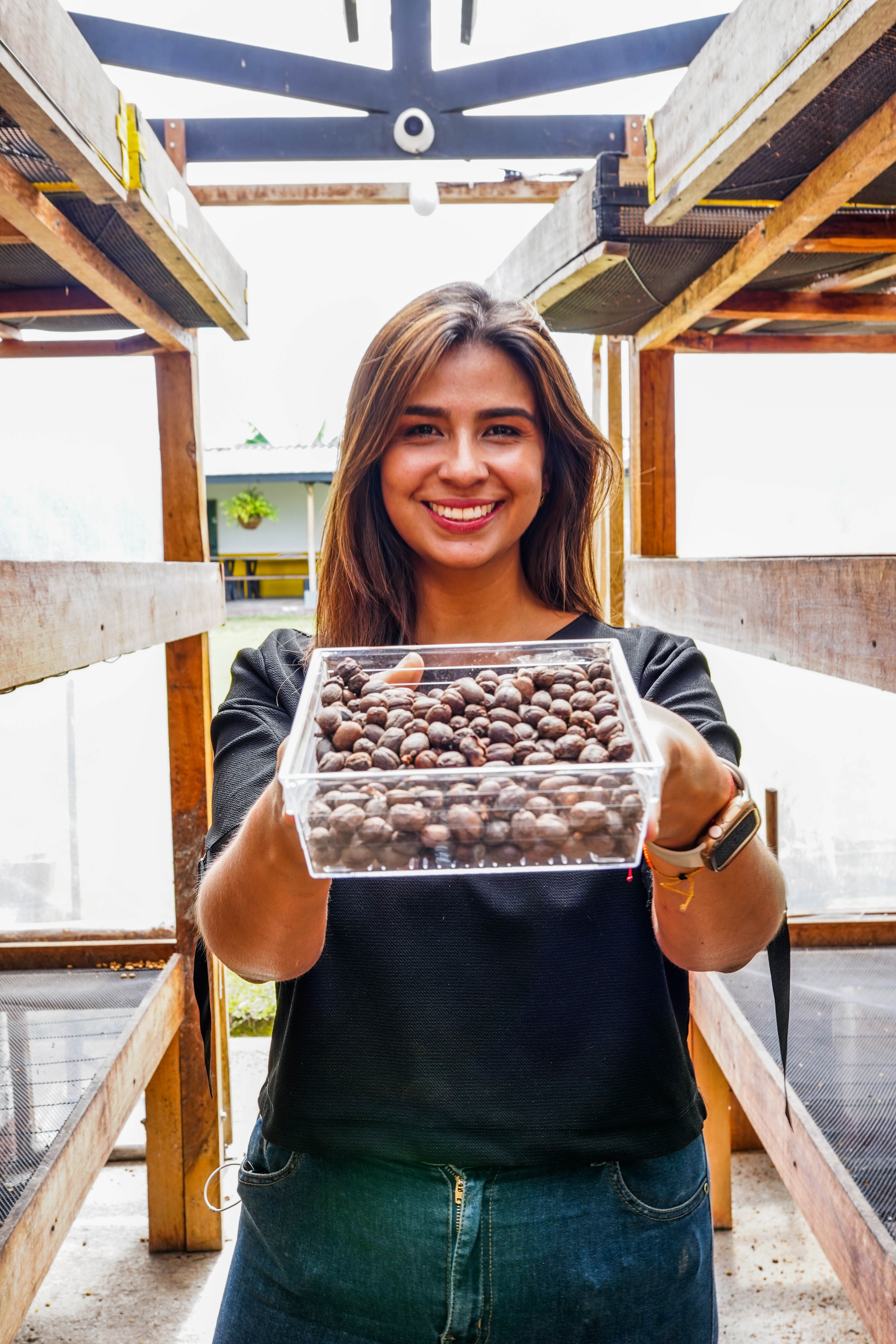
Ana María Donneys at Finca Primitivo in Colombia runs a 96-hour sealed fermentation with selected yeasts that prioritizes restraint—her Green Mist lot reads mint, jasmine, and cocoa instead of the heavy, funky profile most anaerobic coffees wear like a badge [Quelle: Haiku Brew]. She stacks 24 hours of carbonic maceration, then 72 more, then extends the anaerobic phase under controlled conditions so fermentation shapes the cup without dominating it. This matters because most bags don't tell you whether a producer was chasing intensity or precision.
The distinction reframes what anaerobic processing can do.
Congo's first anaerobic lot shatters record
The Democratic Republic of Congo just entered the anaerobic conversation at premium prices.
Pact Coffee paid $55.50 per kilogram for Izuba at the 2026 Best of Congo Cooperatives auction—one of the first anaerobically fermented lots from Yetu Qahwah growers in the DRC, now earmarked as a limited 2027 release [Quelle: Perfect Daily Grind]. The price signals that specialty roasters see Congo's high altitude and terroir as finally getting the processing innovation it deserves. Watch other roasters chase DRC microlots now that the pathway is proven.
Congo's entering the fermentation frontier.
Geisha altitude and fermentation unlock potential
Geisha's aromatic magic isn't just genetics—it's terrain and technique.
Recent 2025 research confirms that Panamanian Geisha grown above 1,700 meters in cooler fermentation conditions scores higher, with jasmine, bergamot, and tea-like aromatics emerging when altitude and processing align [Quelle: Achilles Coffee Roasters]. The variety itself traces back through Ethiopian landraces, not the narrow Bourbon-Typica base dominating Latin America, so it offers genuinely different sensory potential. But processing—washed, natural, honey, or fermented—acts as a lens revealing varietal character rather than creating it, which means transparent provenance matters more than prestige pricing alone.
Altitude, microbes, and transparency just became the Geisha playbook.
Same coffee, two ferments, two flavors
Shoondhisa proves processing choice is flavor choice.
Manhattan Coffee Roasters is selling the same Ethiopian coffee from Station Sookoo Coffee processed two ways—natural and anaerobic—side by side to show how method transforms taste [Quelle: Manhattan Coffee Roasters]. Natural processing pulls blueberry and orange; anaerobic fermentation shifts the same origin toward berry compote and strawberry juice. This comparative offering demystifies what roasters have been chasing anecdotally: proof that microbial environment shapes the cup more dramatically than most enthusiasts expect.
Side-by-side tastings are becoming the new benchmark for processing education.
 The Fermentation Process Nobody Else Is Running Quite Like This20 hours ago ... Most anaerobic coffees chase intensity — heavy, funky, unmistakable, the kind of cup that announces itself the moment you smell it. That's a valid approach, ...haikubrew.com
 Coffee News Recap, 11 Sep: Global Coffee Awards announce best ...9 hours ago ... Every Friday, Perfect Daily Grind rounds up the top coffee industry news from the week. ... competitions in MENA, Africa, and Asia earlier this year. With ...perfectdailygrind.com
 Gesha Coffee Explained: Origin, Flavor & Panama Geisha9 hours ago ... ... fermentation protocols. Each method changes the balance between intrinsic varietal aromatics and process-derived fruit, fermentation, texture, and sweetness.achillescoffeeroasters.com