Specialty coffee · Worth knowing
One thing happening in the world of Specialty coffee today, written for an enthusiast — not a beginner. Skip celebrity gossip. Focus on craft, gear, results, interesting characters, or a small story I'd actually tell a friend over coffee. Quality over quantity.
← See today's latestNeapolitan roots meet origin clarity, home brew technique simplified
Neapolitan vs. specialty roasting
Traditional roasting and specialty coffee chase different targets.
Neapolitan espresso tradition prizes body, crema, and balance through Arabica-Robusta blends (think 60/40 splits), while modern specialty roasting isolates origin and processing to highlight single-bean character [Source: Torrefare]. Roast level shapes this split dramatically—dark roasts mute origin complexity in favor of roasted body, while light roasts expose processing fingerprints and altitude signatures. Costa Rica's Tarrazú region shows the payoff: a Catuai using white honey processing reads completely different under light versus dark heat.
Neither is wrong; they're asking different questions of the same bean.
Pour-over reveals what darkness hides
Manual pour-over isn't just slower—it exposes every choice made before water touches grounds.
Light to medium roast, washed-processed coffees ground medium-fine perform best because the method's paper filter and staged 2.5–3.5 minute pour eliminate the mask that espresso machines and drip brewers provide [Source: I Prefer Craft Coffee]. Blooming 30–45 seconds, then pouring in controlled stages over minutes, lets subtle floral and fruity notes emerge undiluted—the sort of clarity a 1:16 ratio and precision unlock. Darker roasts, by contrast, collapse this nuance into roasted carbon.
Your pouring hand becomes the tuning fork for origin character.
Gear order matters more than you think
Spending order wins where gadget shopping fails.
Professional baristas prioritize specialty-grade beans roasted within 30 days, then burr grinder, then digital scale, then water mineralization—not the reverse [Source: Torque Coffee]. Burr grinder quality dominates because uniform particle size ensures even extraction before any other variable matters; a 0.1g-precision scale and mineral-balanced water (150 mg/L TDS) at 200°F round out the stack. Start 1:16 coffee-to-water, then adjust deliberately—pull to 1:15 for body, open to 1:17 for brightness.
Café-level results don't require café equipment, just priorities.
Cafés raise revenue by storytelling, not pressure
Upselling works only when it feels like guidance.
Well-executed menu engineering and retail merchandise can lift average ticket by 20–30% while food approaches Starbucks' 23% mix, but the key is framing recommendations as education rather than extraction [Source: Perfect Daily Grind]. Staff acting as hosts and storytellers—explaining why a particular single-origin pairs with a pastry, or why branded merchandise tells your roasting story—outperforms pressure tactics every time. Branded goods carry gross margins of 73–75%, but only when they feel authentic to the shop's identity.
Depth over breadth turns transactions into destinations.
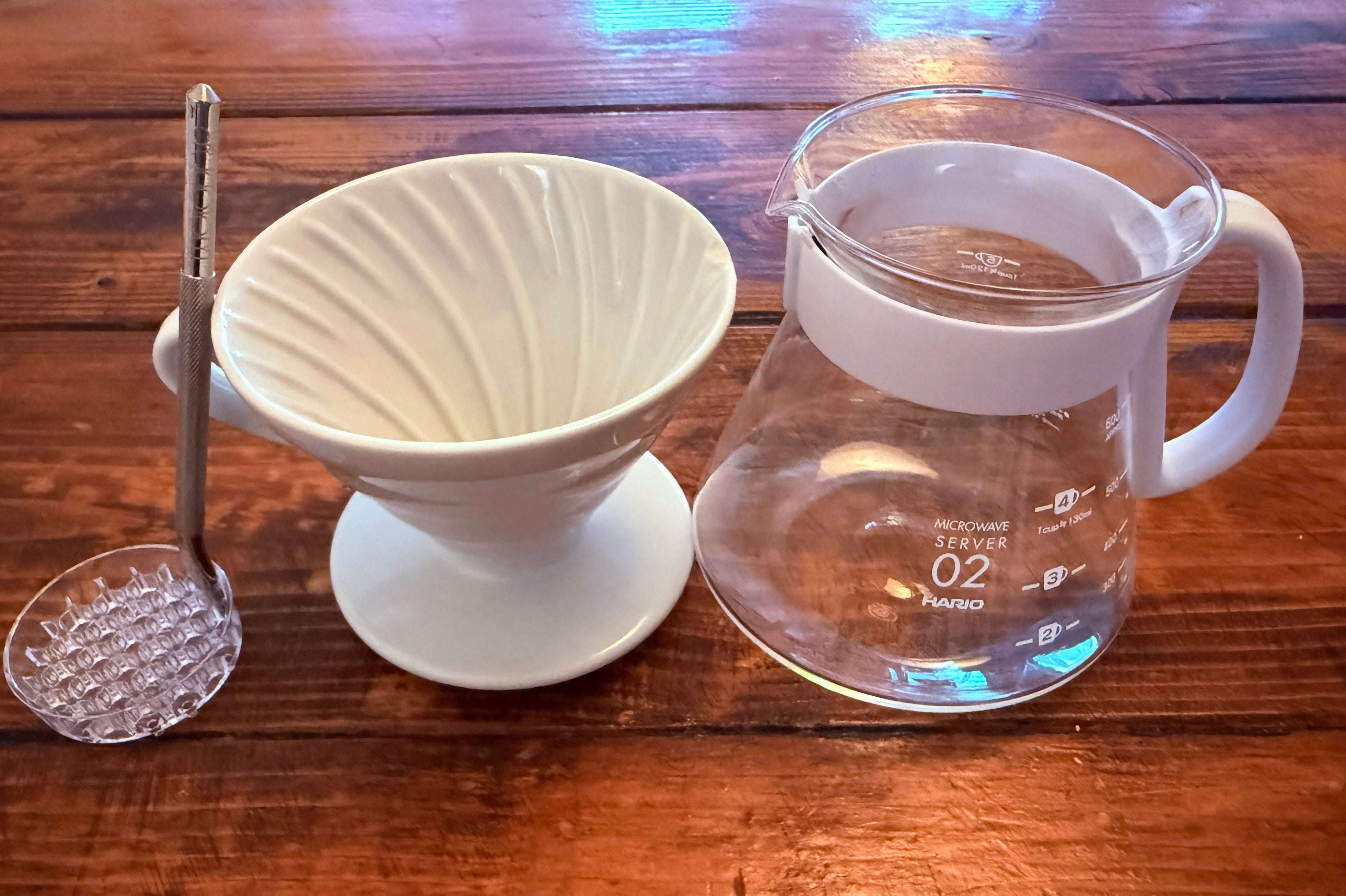 Coffee Guide: Neapolitan Espresso, French Roasting and Specialty ...21 hours ago ... Explore Italian coffee, Neapolitan espresso, Arabica and Robusta, specialty coffee, roast levels, brewing methods and how to choose the right coffee.torrefare.com
 Best Coffee Beans For Pour Over (And Why Your Pour Matters Too)10 hours ago ... Best coffee beans for pour-over are light to medium roast, washed, and ground medium-fine. See why this method reveals a bean's true character.iprefercraftcoffee.com
 How to Make Café Coffee at Home | Barista Tips & Techniques22 hours ago ... Start with specialty-grade beans, roasted recently, with a roast date on the bag. Two. Grind fresh with a burr grinder immediately before brewing. Three. Use ...torque.coffee
 How can cafés increase their ticket value per order?16 hours ago ... High-authority educational content from across the supply chain. Coffee news round-up, featuring key industry stories. Subscribe. You can unsubscribe at any ...perfectdailygrind.com