Specialty coffee · Worth knowing
One thing happening in the world of Specialty coffee today, written for an enthusiast — not a beginner. Skip celebrity gossip. Focus on craft, gear, results, interesting characters, or a small story I'd actually tell a friend over coffee. Quality over quantity.
← Zur aktuellen AusgabeCacao pulp rewrites Castillo; barrel aging tames anaerobic heat
Castillo + cacao pulp fermentation
Colombia's workhorse just became a craft choice.
Quest Speciality's KAKAW KAPE® replaces water with upcycled cacao fruit pulp during 120+ hours of co-fermentation, erasing wastewater while unlocking strawberry, mandarin, and citric acidity in Castillo—a varietal rarely associated with complexity [Quelle: Quest Speciality]. The method uses just 3 liters of pasteurized cacao waste per tank and finishes with aerobic thermo-shock drying, scoring 86.25 points and roasted light for filter work. Processing protocol just turned genetics into intention.
Watch how roasters price this against commodity Castillo.
Yemen Typica: barrel-aged semi-anaerobic
Semi-anaerobic fermentation splits the difference.
MyMokafe's GHALIB uses seven days of deliberate oxygen control inside wooden barrels—starting aerobic, shifting anaerobic as CO₂ builds—to deliver red fruit and juicy brightness without the heavy wine character that full anaerobic can impose [Quelle: MyMokafe]. Ancient Typica from Yemen's Wadi Seil Village emerges cleaner and crisper than expected, with complex layered finish and preserved acidity. The technique proves fermentation granularity—not just on or off, but staged—now shapes cup character at origin.
This is how processing becomes repeatable art.
Fermentation precision demands roasting discipline
Thermally shocked beans need different roasting specs.
Following yesterday's fermentation deep-dive, precision co-fermentation and inoculated micro-lots now absorb radiant heat faster during first crack, forcing lower charge temperatures and careful airflow management [Quelle: Quest Speciality]. Roasters who skip this adjustment dial in blind, losing the sensory investment that processing skill already delivered. Optical sorting thresholds and bean density tracking become part of the roasting conversation, not an afterthought.
The fermentation story ends at the roaster's charge temperature.
 Castillo Strawberry & Mandarin - Coming soon - Quest Speciality8 hours ago ... This unique innovation in processing, KAKAW KAPE®, elevates the coffee genetics, respects terroir and produces only 10 g residual liquid per 120 kg fermentation ...questspeciality.com
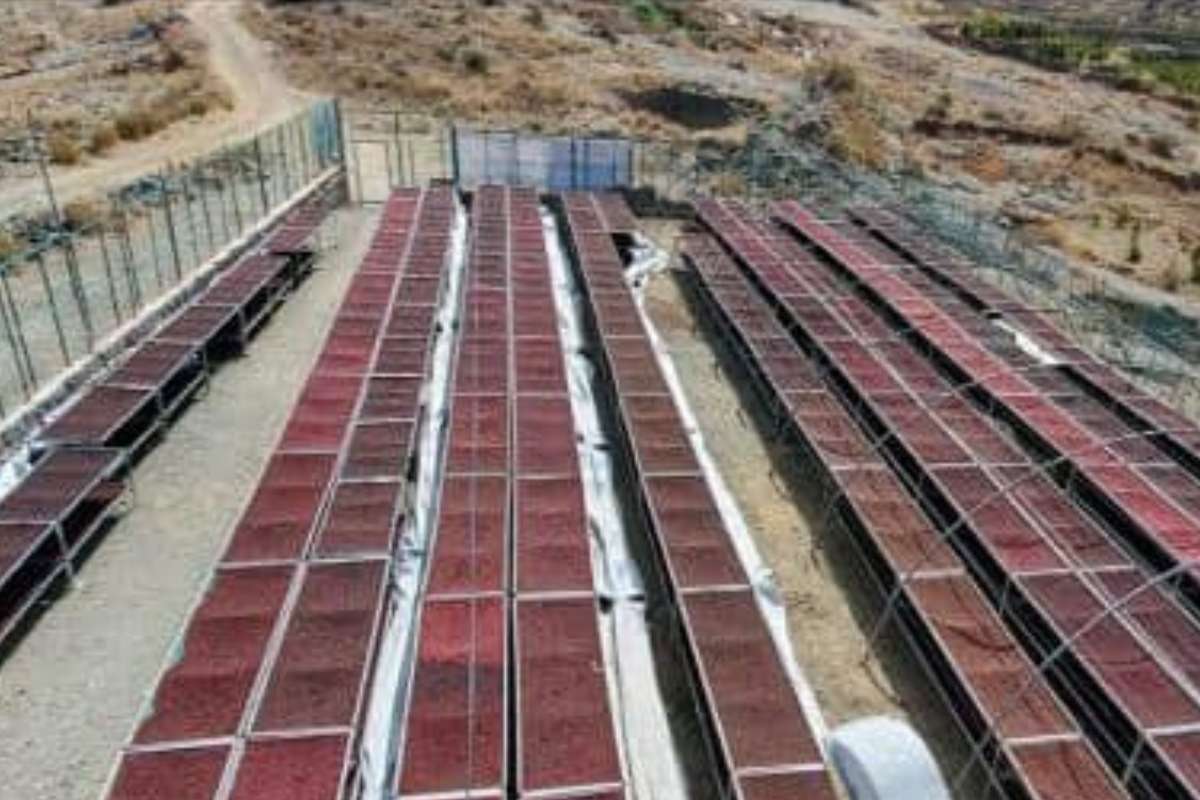 GHALIB Barrel Aged Coffee: Semi-Anaerobic Process - mokafé7 hours ago ... At MyMokafe, we love sharing coffees that bridge tradition and innovation. ... Q: Why are barrel-aged coffee beans considered specialty coffee? A: Barrel ...mymokafe.com