Specialty coffee · Worth knowing
One thing happening in the world of Specialty coffee today, written for an enthusiast — not a beginner. Skip celebrity gossip. Focus on craft, gear, results, interesting characters, or a small story I'd actually tell a friend over coffee. Quality over quantity.
← Zur aktuellen AusgabeGreen coffee gets a brand story, decaf premiumizes
Flavor-Driven Green Coffee
Green coffee is getting names like finished goods.
Exporters and importers are now using evocative naming—"Red Candy Burst" and similar sensory descriptors—to help roasters identify and position lots more effectively [Quelle: Coffee Intelligence]. Research shows taste-focused language increases product selection by up to 29%, turning B2B green coffee marketing into something closer to wine production. Producers like Café Primitivo's Ana María Donneys apply distinctive naming to differentiate coffees in competitive markets while maintaining traceability—keeping brand identity and origin story woven into the supply chain rather than erased at the importer level.
This mirrors how roasters have already won by selling stories, not just cups.
Decaf Market Splits Three Ways
Caffeine-free espresso is splitting into distinct tiers.
The global decaf espresso market is forecast to grow 6.2% annually through 2035, but the real story is stratification: premium offerings using Swiss Water Process or CO2 extraction are outpacing the broader category, while private-label commodities drag average prices down [Quelle: IndexBox]. Third-wave roasters are expanding decaf onto menus with quality and transparency claims, using e-commerce and direct-to-consumer channels to tell the provenance story that CPG incumbents cannot. Supply chain complexity—sourcing and processing decaffeinated beans costs more than regular espresso—becomes the premium differentiator.
Winners will be roasters who make decaf feel intentional, not apologetic.
Chemex Shines for Bright Origins
Chemex filters remove oils most pour-overs leave behind.
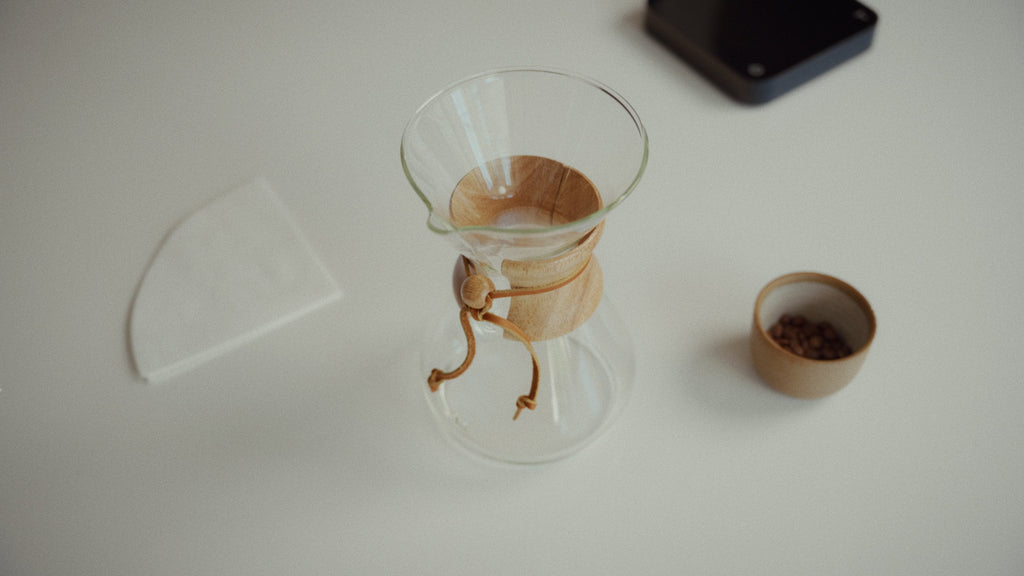
The extra-thick bonded paper strips fine particles and oils better than standard brewers, yielding the crisp, delicate cup that highlights single-origin character—especially coffees with bright acidity and floral notes roasted light to medium-light [Quelle: Origin Coffee]. Technique matters: 30 grams coarse coffee, 500 grams water at 93°C, 4:00–4:30 minutes total brew time. Small shifts in grind, temperature, bloom, and dosage create notable flavor changes, making the Chemex a sensitive instrument for experimentation and a reliable tool for repeating what works.
Best pairing: last week's Kenyan processing experiments benefit from this exact brew method.
 Flavour-led branding is reshaping green coffee marketing11 hours ago ... “The name is another layer that helps differentiate the coffee in the market, not a substitute for its story. ... A third wave roaster organises micro lot coffee ...intelligence.coffee
 Caffeine Free Espresso Beans Market To Reach $1.8B by 2035 ...8 hours ago ... The segment benefits from the overall growth in out-of-home coffee consumption, particularly in urban areas. Key growth factors include the rise of third-wave ...indexbox.io
 Chemex Brew Guide - Origin Coffee12 hours ago ... Learn how to brew speciality coffee using a Chemex coffee brewer ... Choosing freshly roasted coffee is key to getting the most from your Chemex.origincoffee.co.uk