Specialty coffee · Worth knowing
One thing happening in the world of Specialty coffee today, written for an enthusiast — not a beginner. Skip celebrity gossip. Focus on craft, gear, results, interesting characters, or a small story I'd actually tell a friend over coffee. Quality over quantity.
← Zur aktuellen AusgabeHoffmann's fermentation kit, Typica Mejorado's true genetics, espresso bean selection
Hoffmann's Fermentation Project
Fermentation just became measurable—and global.
James Hoffmann and fermentation scientist Lucia Solis have designed a four-sample tasting kit that isolates fermentation as the only variable across an identical Caturra lot from Antigua [Quelle: Eiland Coffee]. Each 100g sample uses a precise 48-hour window: mechanical demucilage (control), wild fermentation, Lactobacillus-inoculated, and yeast-inoculated. Pre-orders ship mid-September for an October 3rd global tasting, with in-person cupping available at the roastery, letting you taste how microbial choice shifts acidity, body, and complexity while origin and harvest stay locked.
This is fermentation science moving from intuition into protocol.
Typica Mejorado's Hidden Pedigree
Ecuador's specialty darling isn't what its name suggests.
DNA fingerprinting by World Coffee Research reveals Typica Mejorado is actually a Bourbon-Ethiopian hybrid, not a Typica variant despite its genetic misnomer [Quelle: Ozone Coffee]. The variety emerged in a 1990s Nestlé breeding facility in Pichincha, where technician Don Olger Rogel identified two elite seeds that eventually supplied today's specialty lots. Jasmine, stone fruit, citric acidity, and syrupy body are its signature, though low yields, weak roots, and bean-size unevenness mean growers must charge premiums and roasters must dial profiles for variation.
Specialty's yield-quality tradeoff just became visible.
Espresso's 21-Day Sweet Spot
Bean age matters more in espresso than any other method.
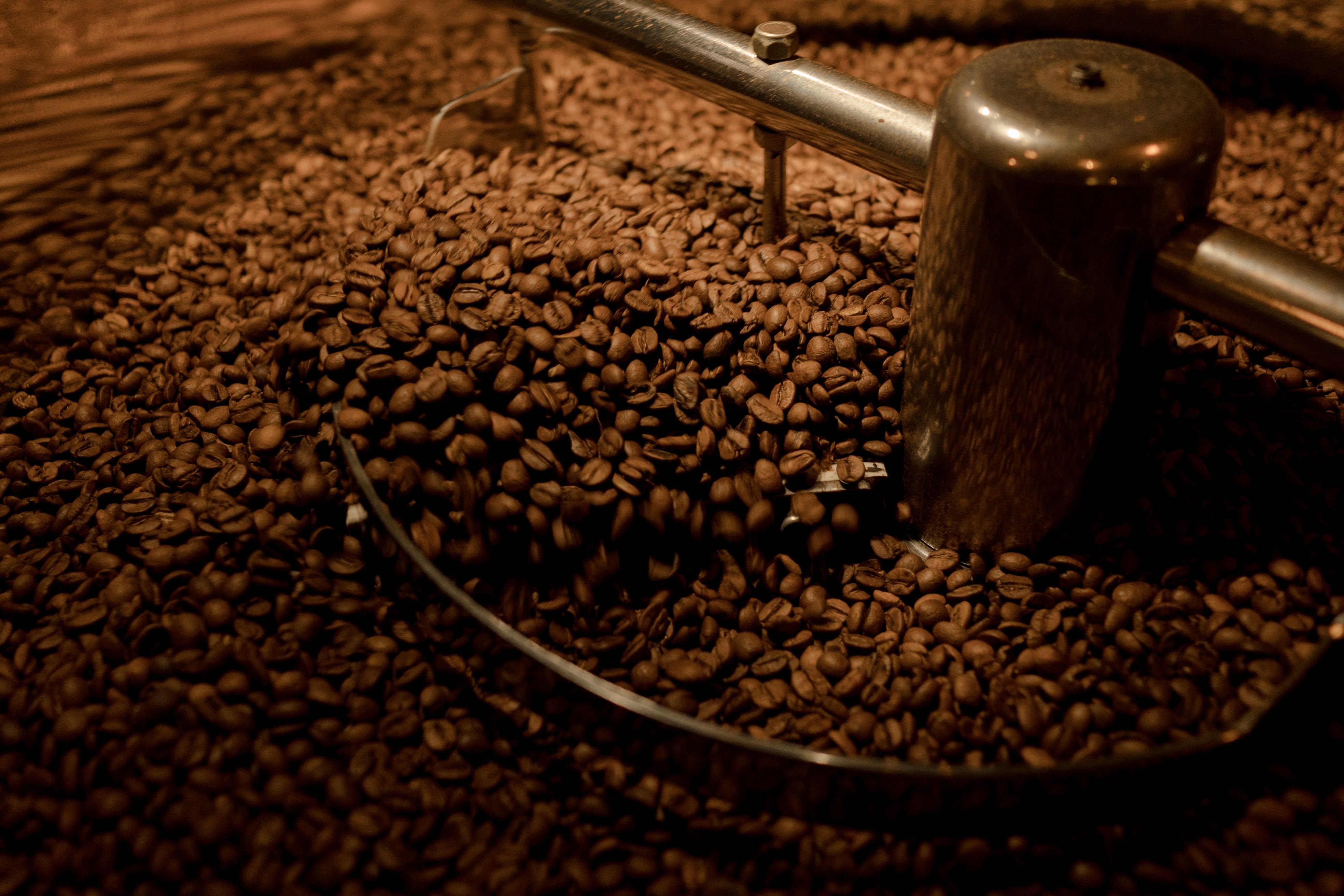
Under pressure, the 7–21 day post-roast window is where espresso extracts cleanly—beans under four days release excess CO₂ causing gushing shots, while those past 28 days oxidize and lose brightness [Quelle: Kafiex]. Roast development itself is the linchpin: medium roasts highlight origin character for straight shots, while medium-dark to dark roasts provide the body to cut through milk. Density, solubility, and roast curve are the three factors separating beans that perform under nine bars from those that collapse.
Roast date just became your most important spec.
 Fermentation Project - EILAND COFFEE ROASTERS3 hours ago ... This profile relies entirely on the terroir, growing practices, and genetic varietal characteristics of the coffee. ... origin stories that deepen your coffee ...eilandcoffee.com
 Typica Mejorado: the variety that isn't a Typica - Ozone Coffee12 hours ago ... The best single source on this variety. An interview with José Pepe Jijón covering the Nestlé origin story, the plant's resemblance to Gesha, the uneven bean ...ozonecoffee.co.uk
 The Best Espresso Beans for Home Brewing (2026 Guide)24 hours ago ... Espresso is the least forgiving brewing method there is. A pour-over hides a mediocre bean behind paper-filter clarity, and drip coffee forgives a stale bag ...kafiex.com