Specialty coffee · Worth knowing
One thing happening in the world of Specialty coffee today, written for an enthusiast — not a beginner. Skip celebrity gossip. Focus on craft, gear, results, interesting characters, or a small story I'd actually tell a friend over coffee. Quality over quantity.
← Zur aktuellen AusgabeColombian processing scales, Kenya innovates, women producers lead
Colombian Processing Innovation
Colombia's fermentation mastery is now a competitive advantage at auction.
The country has moved beyond coffee-of-origin into coffee-of-process, with producers systematically controlling anaerobic fermentation, co-fermentation, and thermal-shock techniques across microclimates that yield wildly different flavor expressions [Quelle: Perfect Daily Grind]. Twelve of the top twenty coffees at the 2025 Global Coffee Awards World Championship were Colombian—a result of both innovative processing and cooperative networks like Cenicafé that let producers measure and tune fermentation variables at scale. Domestic roasters like Casa Landino are now winning international origin-roasted competitions, showing that value capture stays at origin when processing sophistication arrives.
This mirrors the fermentation wars we tracked earlier, but with real market proof.
Kenya's Processing Shift
Kenya is pivoting toward processing innovation as a quality lever.
The Nyeri International Coffee Expo and upcoming processing innovation summit—scheduled for November 11th at Karatina Stadium—signal a regional commitment to matching Colombian and Mexican advances in fermentation technique [Quelle: Nyeri Coffee]. Kenya's reputation rests on washed naturals and terroir; the next phase involves producers and processors experimenting with controlled fermentation to unlock fruit-forward complexity that fermentation-forward origins like Colombia have already proven buyers will pay premium pricing for. If Kenya's processing improvements track the trajectory we've seen elsewhere, expect allocation pressure on micro-lots from key estates within 18 months.
The regional coffee ecosystem is accelerating.
Women Producers Scale Processing
Women producer collectives are now leading processing innovation at origin.
Las Tejedoras, a group of women coffee farmers in Chiapas, Mexico, has elevated regional quality standards by refining fermentation and drying techniques in partnership with importer Caravela—using 24–40 hour fermentation and sun-drying on concrete patios and palm mats to increase complexity and fruit expression from their Typica and Bourbon at 1600 meters [Quelle: Ceremony Coffee]. The collective model compounds the processing advantage: shared knowledge, trial-and-error infrastructure, and direct buyer relationships mean innovation spreads faster and risk distributes across the group. This builds on yesterday's tracking of origin roasting and producer networks as the drivers of specialty coffee's next phase.
Processing innovation is becoming a tool for economic stability, not just flavor.
Specialty Consumption Reshapes Supply
Specialty coffee consumption is outpacing commodity coffee in developed markets—47% of U.S. adults now drink specialty daily versus 42% for traditional coffee.
This demand shift is forcing producers to retain value closer to origin through local roasting, domestic branding, and direct-to-consumer models rather than exporting green beans into wholesale commodity channels [Quelle: DMCC]. Climate concentration—Brazil and Vietnam account for nearly half global production—is amplifying both supply risk and the economic pressure on smaller origins to differentiate through processing sophistication and traceability. Digital infrastructure including blockchain and AI monitoring are enabling transaction visibility, but producer relationships and regional infrastructure remain foundational.
Value migration away from green-bean commodity export is reshaping who wins.
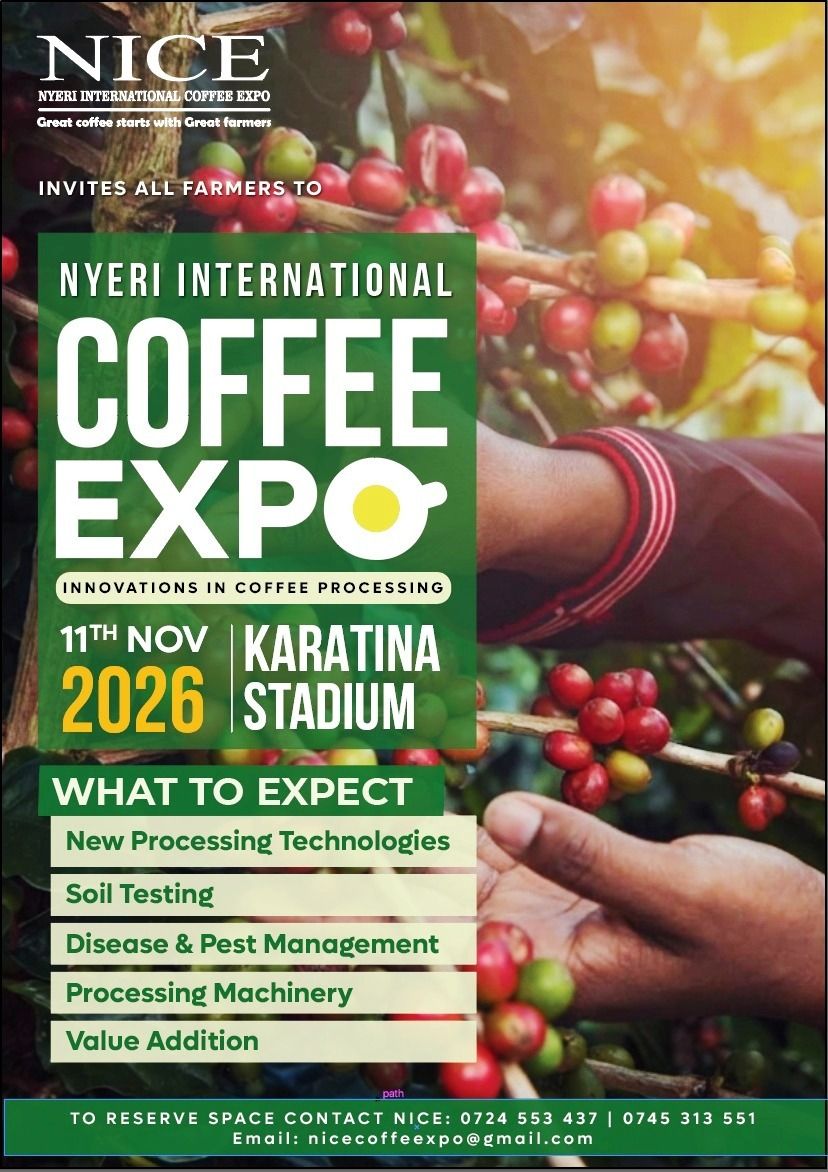 NYERI COFFEE IS READY FOR WHAT'S NEXT. Something new is ...18 hours ago ... NYERI COFFEE IS READY FOR WHAT'S NEXT. Something new is coming. Innovations in Coffee Processing 11th November 2026 Karatina Stadium Better...facebook.com
 Why Colombian coffees perform so well at competitions and auctions15 hours ago ... Fermentation and processing innovation drives Colombia's competition and auction success. A growing domestic roasting scene extends Colombia's reputation beyond ...perfectdailygrind.com
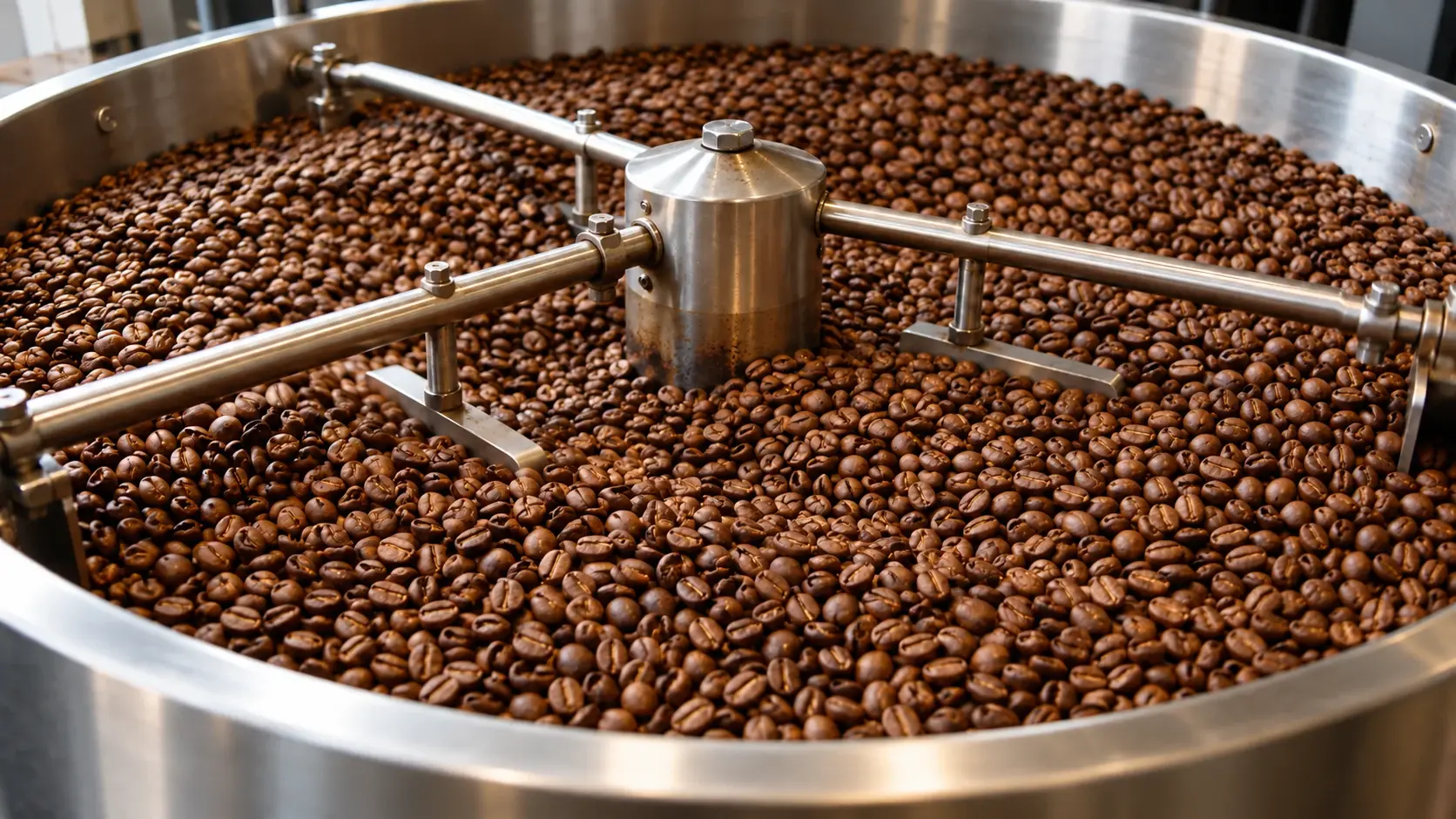 From Culture to Trade: 7 Trends Changing the Global Coffee Market10 hours ago ... A global hub for coffee trade. DMCC supports the full coffee supply chain from Dubai. Share. Key takeaways. Coffee culture is evolving as specialty coffee, ...dmcc.ae
 Las Tejedoras Single Origin Coffee7 hours ago ... ... techniques in both fermentation and drying. Their efforts give us more ... Note: This coffee will taste best at least 10 days off roast. Light Brown.ceremonycoffee.com