Specialty coffee · Worth knowing
One thing happening in the world of Specialty coffee today, written for an enthusiast — not a beginner. Skip celebrity gossip. Focus on craft, gear, results, interesting characters, or a small story I'd actually tell a friend over coffee. Quality over quantity.
← Zur aktuellen AusgabeCo-fermentation moves from experiment to craft; anaerobic science deepens
Co-fermentation as intentional craft
Co-fermentation is no longer a processing gamble—it's become a precision tool.
Growers now intentionally ferment coffee cherries alongside fruits, spices, yeasts, or microbial cultures to build bold, repeatable flavor profiles [Quelle: Pact Coffee]. The distinction that matters: controlled fermentation creates stable, safe flavor development, while uncontrolled fermentation creates chaos. Quality hinges entirely on grower skill, transparency, and exceptional baseline coffee—variety, altitude, handling all come first. The technique highlights natural sweetness and opens tropical fruit, berry, and dessert-like notes that straight fermentation won't reach.
Following up on last week's processing divergence, co-fermentation now sits at the market's center, not its fringe.
Huver Castillo's dual-fermentation precision
A Colombian farmer just proved anaerobic washed processing can scale without losing soul.
Huver Castillo of Finca El Paseo runs a 60-hour whole-cherry anaerobic fermentation in sealed, oxygen-free tanks with daily pH and temperature monitoring, then triggers a second fermentation phase using lactic acid bacteria cultures [Quelle: Sigma Coffee]. His Geisha varietal lands jasmine florals, bright lemon acidity, and blackberry depth—complexity that speaks to rigorous post-harvest protocol, not luck. Castillo shifted to specialty in 2015 when commodity prices collapsed; necessity built infrastructure. The method requires hermetic storage from farm onward; that's not a luxury, it's non-negotiable.
This is how processing innovation becomes reproducible craft.
Green coffee grading gets smarter
How we measure quality just shifted from counting defects to reading chemistry.
Modern detection now includes optical color sorting, density separation, hyperspectral imaging, AI analysis, and laboratory profiling like gas chromatography-mass spectrometry—tools once locked behind cupping labs, now flowing into origin infrastructure [Quelle: Helena Coffee Vietnam]. The industry is moving past simple defect counts toward holistic assessment: physical grading, moisture analysis, chemical profiling, sensory evaluation, and AI combine to answer deeper questions about defect causes, stability, and safety. A fermentation mark that once read as a flaw now reads as intent—if the producer can prove control.
Roasters who understand this shift gain the edge in sourcing repeatability.
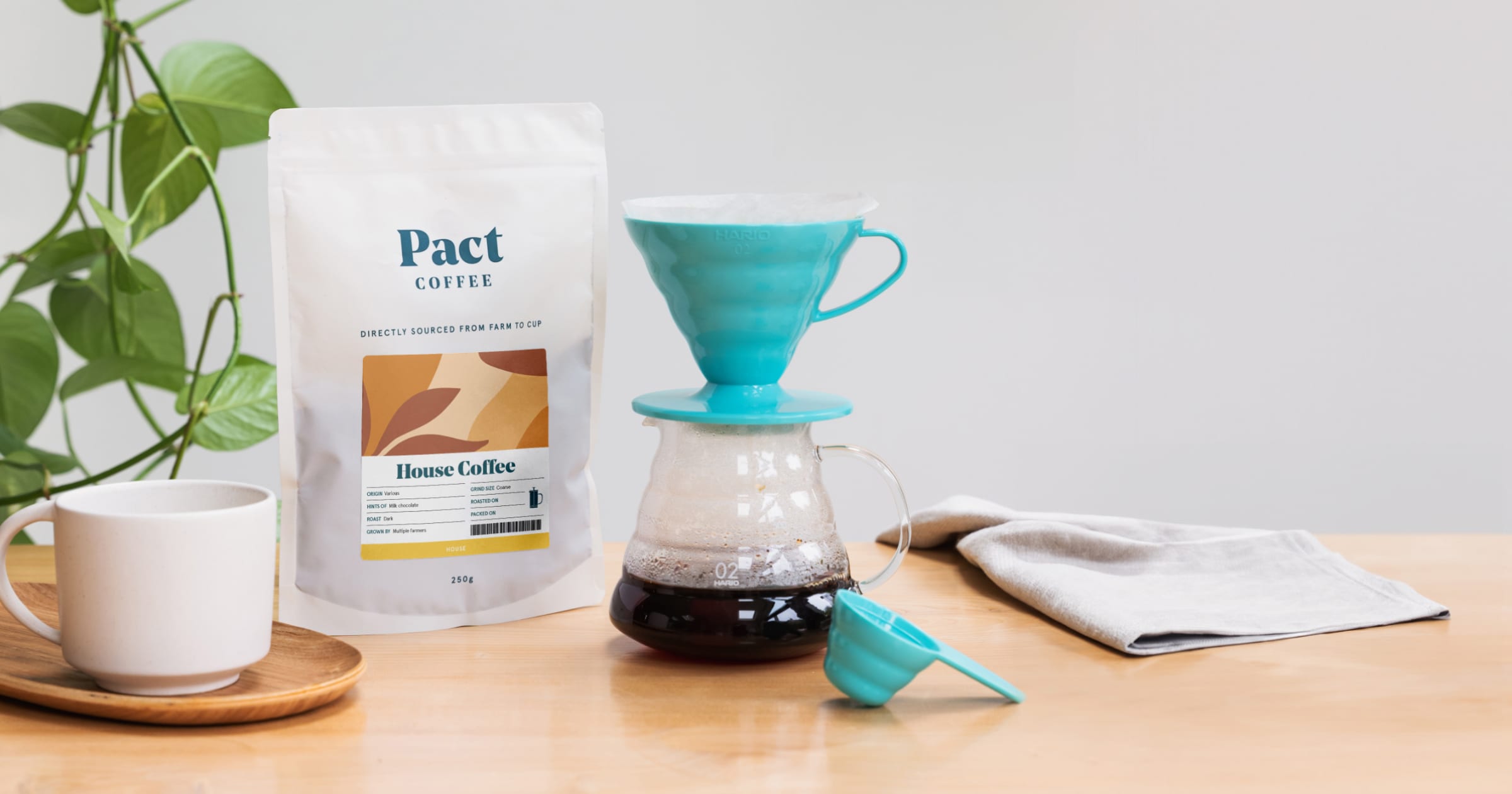 What is co-fermented coffee? - Pact Coffee23 hours ago ... During this process, coffee cherries are placed in fermentation tanks with ingredients such as: ... Is co-fermented coffee speciality coffee? It can be ...pactcoffee.com
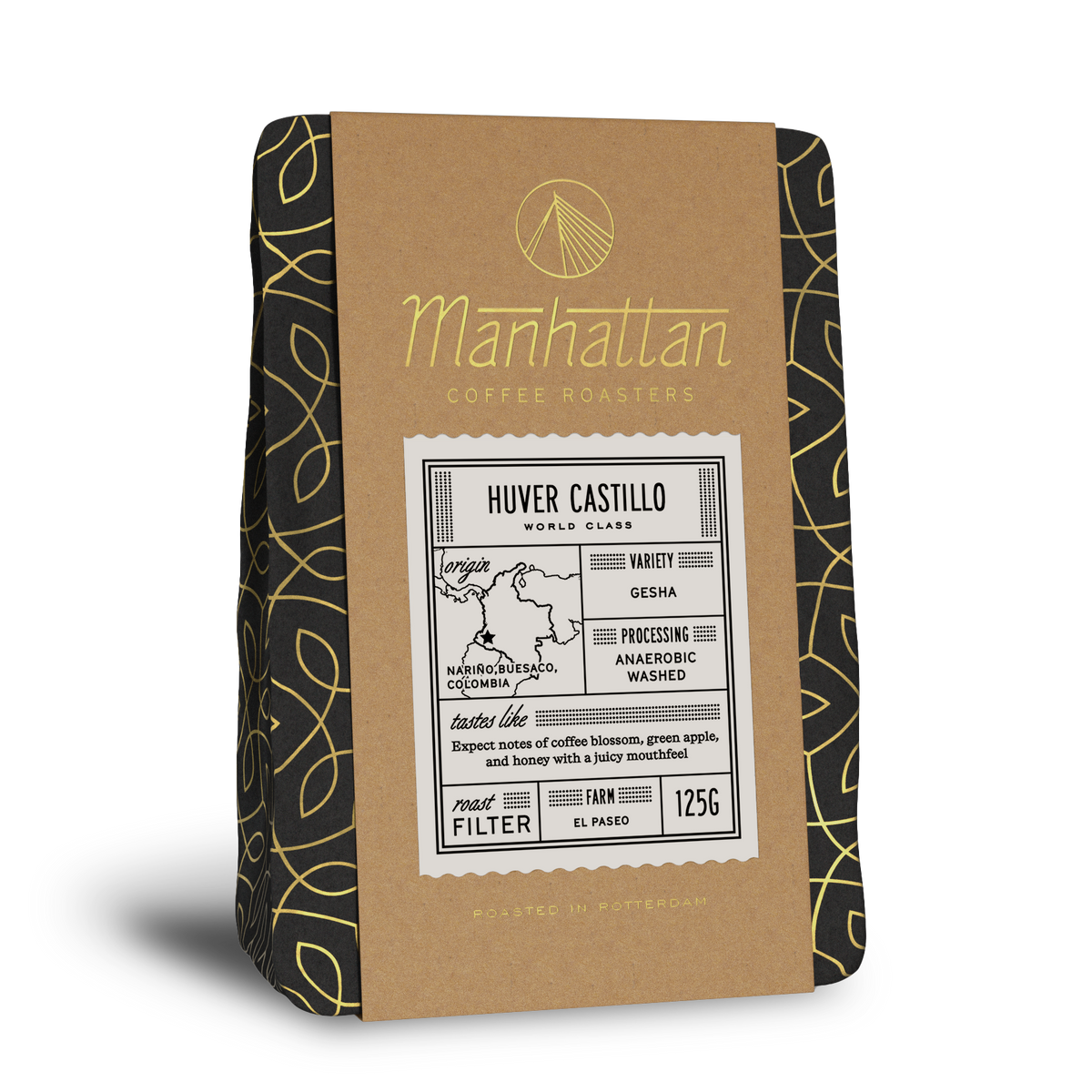 Manhattan Roasters - Colombia Huver Castillo - Anaerobic Washed13 hours ago ... Second Anaerobic Fermentation — Depulped coffee is transferred to special ... This dual-fermentation anaerobic washed method produces a cup of remarkable ...sigmacoffee.co.uk
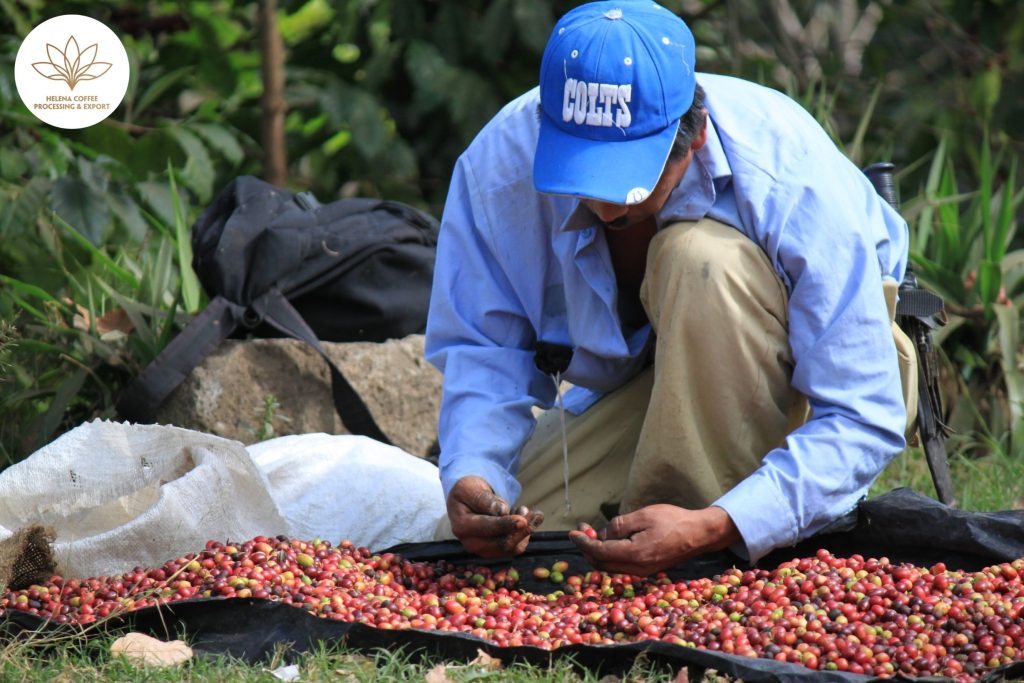 The Truth About Green Coffee Defects - Helena Coffee Vietnam14 hours ago ... ... techniques. Buyers can count defective beans according ... Today, controlled fermentation has become one of specialty coffee's most exciting innovations.helenacoffee.vn