Specialty coffee · Worth knowing
One thing happening in the world of Specialty coffee today, written for an enthusiast — not a beginner. Skip celebrity gossip. Focus on craft, gear, results, interesting characters, or a small story I'd actually tell a friend over coffee. Quality over quantity.
← Zur aktuellen AusgabeProcessing taxonomy hardens; co-fermentation splits into three
Processing taxonomy clarified
The labels roasters throw around are finally getting definitions.
Co-fermentation, infusion, and inoculation are three distinct paths that producers and roasters have been lumping together, creating confusion at both ends of the supply chain [Quelle: Attesa Coffee]. Co-fermentation adds ingredients—fruit, juice, concentrate—that actively feed the microbial environment during fermentation. Infusion absorbs flavors after fermentation without the added material participating in the process itself. Inoculation introduces a specific microorganism, usually a lab-cultured yeast, to steer fermentation toward a predetermined result rather than relying on wild microbes. The roaster's job is no longer guessing; ask producers exactly what was added, when it entered the timeline, whether it stayed through drying, and how much of the final cup flavor comes from fermentation versus the additive versus both combined.
Precision in sourcing just became precision in language.
Co-ferment blending strategy emerges
Two roasters are proving co-fermentation pairs smartly with traditional washing.
Black & White's "The Future" blend mixes one washed Ethiopian with three co-fermented Colombian lots, using the washed coffee's bright acidity to frame the co-fermented lots' watermelon, lemon, and raspberry intensity without letting them overwhelm the cup [Quelle: Black & White Roasters]. Their Blackberry Washed pairs two co-fermented Colombians—one fermented 72 hours with blackberry juice and wine yeast, the other temperature-controlled with chamomile concentrate—to land blueberry, panela sweetness, and almond-croissant texture without sacrificing clarity [Quelle: Black & White Roasters]. Producer Huver Castillo, working with biochemical engineer Andrés Martínez, treats co-fermentation as a precision tool rather than theater—controlled timing, deliberate microbes, repeatable results.
Blending philosophy just shifted toward layering techniques instead of origins.
Kenya's K72 cycle drives cleaner brightness
Kenya's double-wash cycle is quietly reshaping how the origin tastes.
The K72 washed process runs cherries through two complete fermentation-and-wash cycles—12–24 hours fermenting, then washing, then 24–48 hours fermenting again, then washing once more—stretching the low-temperature work to 72 hours total and producing brighter, cleaner flavors with fuller body than standard methods [Quelle: Gafei]. Varietal matters here: SL28, bred in the 1930s from Yemeni Mocha and Bourbon stock, delivers exceptional sweetness, balance, pronounced citrus, and black plum with shifting complexity. SL34 brings similar depth with a heavier, richer mouthfeel. Newer genetics like Ruiru 11 and Batian offer higher yields and disease resistance while maintaining cup quality, with Batian's SL28 and SL34 cross engineered specifically to improve cupping results.
Technique and genetics just converged to rewire Kenya's entire flavor envelope.
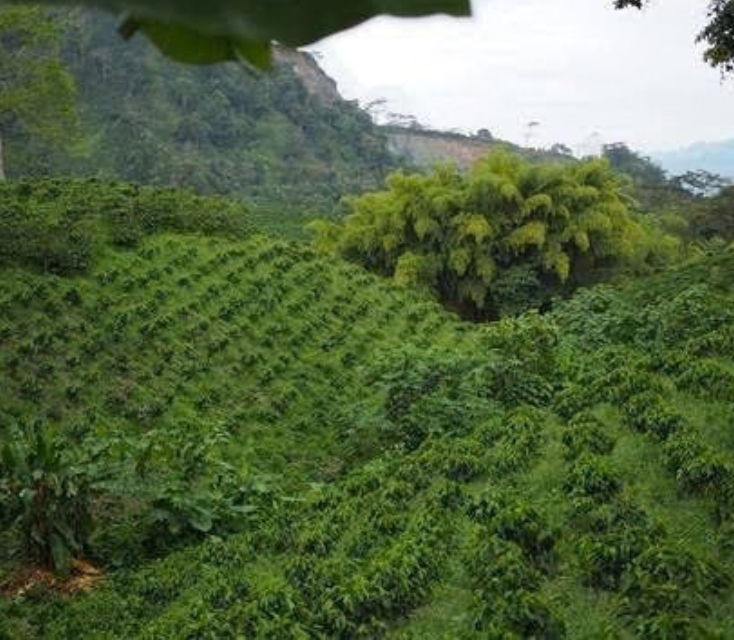 Co-Fermented vs Infused vs Inoculated Coffee: A Roaster's Guide.21 hours ago ... The producer explains the process, maybe condenses it for an importer. The importer lists it for a roaster. The roaster writes a line for the bag. At every ...attesacoffee.com
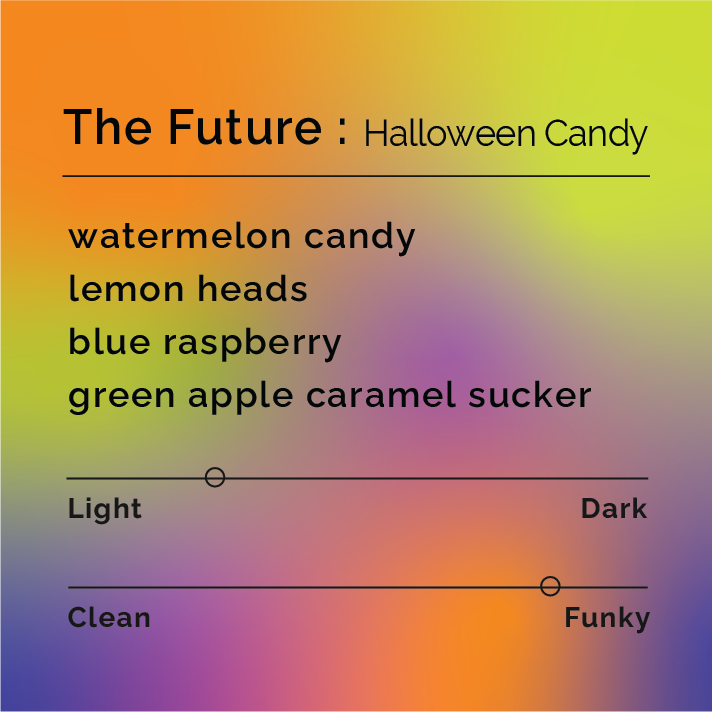 The Future Halloween Candy | Black & White Coffee Roasters7 hours ago ... With it, we have been able to showcase excellence in processing techniques, particularly in regard to anaerobic and co-fermentation endeavors. Our goal with ...blackwhiteroasters.com
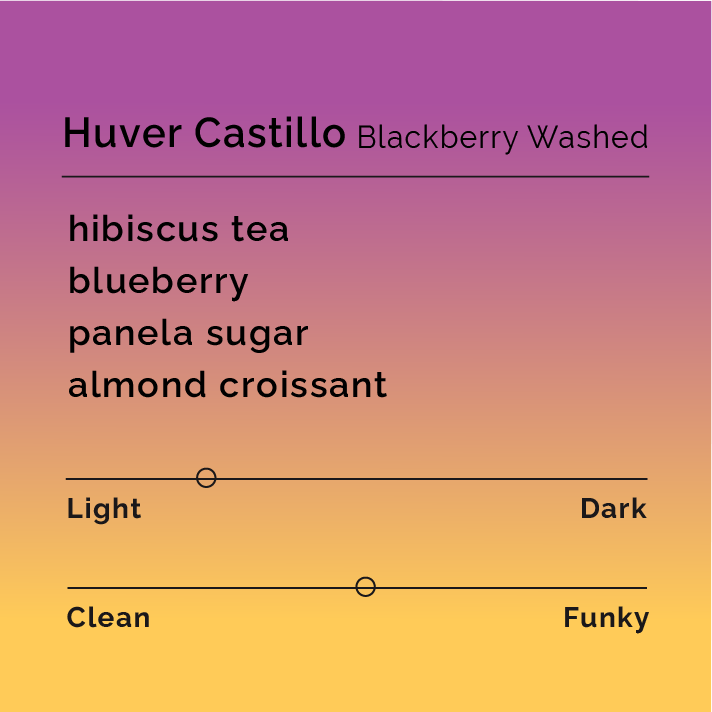 Huver Castillo Blackberry Washed - Black & White Coffee Roasters7 hours ago ... TRUST THE PROCESS | This coffee is a blend of two co-fermented lots: Blackberry Honey (70%) and Chamomile (30%). Blackberry Honey (Caturra) | After being picked ...blackwhiteroasters.com
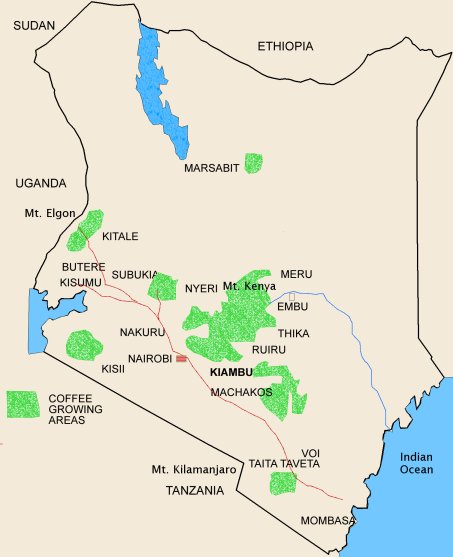 Flavor Profile of Kenya K72 Washed Process Coffee Beans19 hours ago ... Hence the name Kenyan 72-hour fermentation washed processing, or K72. This method lets the beans ferment for a long time at low temperatures, giving them a ...en.gafei.com