Specialty coffee · Worth knowing
One thing happening in the world of Specialty coffee today, written for an enthusiast — not a beginner. Skip celebrity gossip. Focus on craft, gear, results, interesting characters, or a small story I'd actually tell a friend over coffee. Quality over quantity.
← Zur aktuellen AusgabeEl Diviso's sequential ferment; roasters scale with data
El Diviso sequential ferment
Sequential fermentation is the next frontier in differentiation.
José Uribe's El Diviso farm in Colombia's Huila region grows the Ombligon varietal at 1750–1950 meters and processes it through layered fermentation stages—a method that yields cherry, chocolate, raspberry, and dried fruit notes distinct enough to warrant both filter and espresso roast profiles [Quelle: Code Black]. Uribe runs the operation with his sons Jonathan, Nestor, and Adrian, embedding innovation into the family business model—a structure that mirrors the scaling playbook we've tracked across specialty coffee. This moves beyond the simple fermentation experiments from last week into production-ready complexity.
Watch how other Colombian producers adopt the sequential method.
Costa Rica micro-mill innovation
Father-and-son micro-mills are rewriting natural processing.
Rodolfo and Gustavo Monge operate La Esperanza on a 12-acre farm in Tarrazu, Costa Rica, where they've spent four years perfecting in-cherry drying—a natural process that cuts environmental impact while delivering vibrant cherry, lemon-lime, and honey cup profiles [Quelle: Kaffeeklatsch]. By controlling cherry selection and drying technique at their own mill, they own both traceability and flavor repeatability—exactly the infrastructure advantage that Ethiopian producers have leveraged into commodity premiums. This is specialty coffee's move: processing innovation at origin, not retroactive cupping notes.
Micro-mills signal the real shift toward producer control.
Roasters scale with data
Intuition alone can't scale; data can.
Four specialty roasteries across Asia and Europe—Alchemist, The Miners, Coffee County, and REC COFFEE—have moved from handwritten roast logs to data platforms like Cropster, revealing invisible correlations between moisture content, heat absorption, and flavor consistency [Quelle: Standart]. By linking roast profiles directly to cupping results and consumption data, they've transformed sourcing and inventory into forecasting tools—aligning green coffee purchasing with real demand instead of guesswork. The emerging pattern is clear: data and sensory skill are complementary, not competitors, and multi-location roasters who establish digital systems early avoid the operational chaos that derails consistency growth.
Expect specialty roasters to make data literacy a hiring bar.
Edinson Argote's dual-ferment blend
Dual fermentation methods can live in one cup.
Edinson Argote's Chiroso lot from La Quebradita in Colombia uses beer wine yeast inoculation after 72-hour fermentation and partial drying, rehydrated and extended fermentation in stainless steel tanks; the Maragesha lot employs anaerobic barrel fermentation, pulping, washing, additional barrel fermentation with yeast, and cold-water rinse to halt ferment [Quelle: Black & White Roasters]. The resulting blend—sweet, red-fruited, summer-forward—demonstrates that processing as experimentation now yields production-ready profiles. This continues last week's precision trajectory: fermentation as repeatable chemistry, not guesswork.
The blend signals where single-origin technique meets craft storytelling.
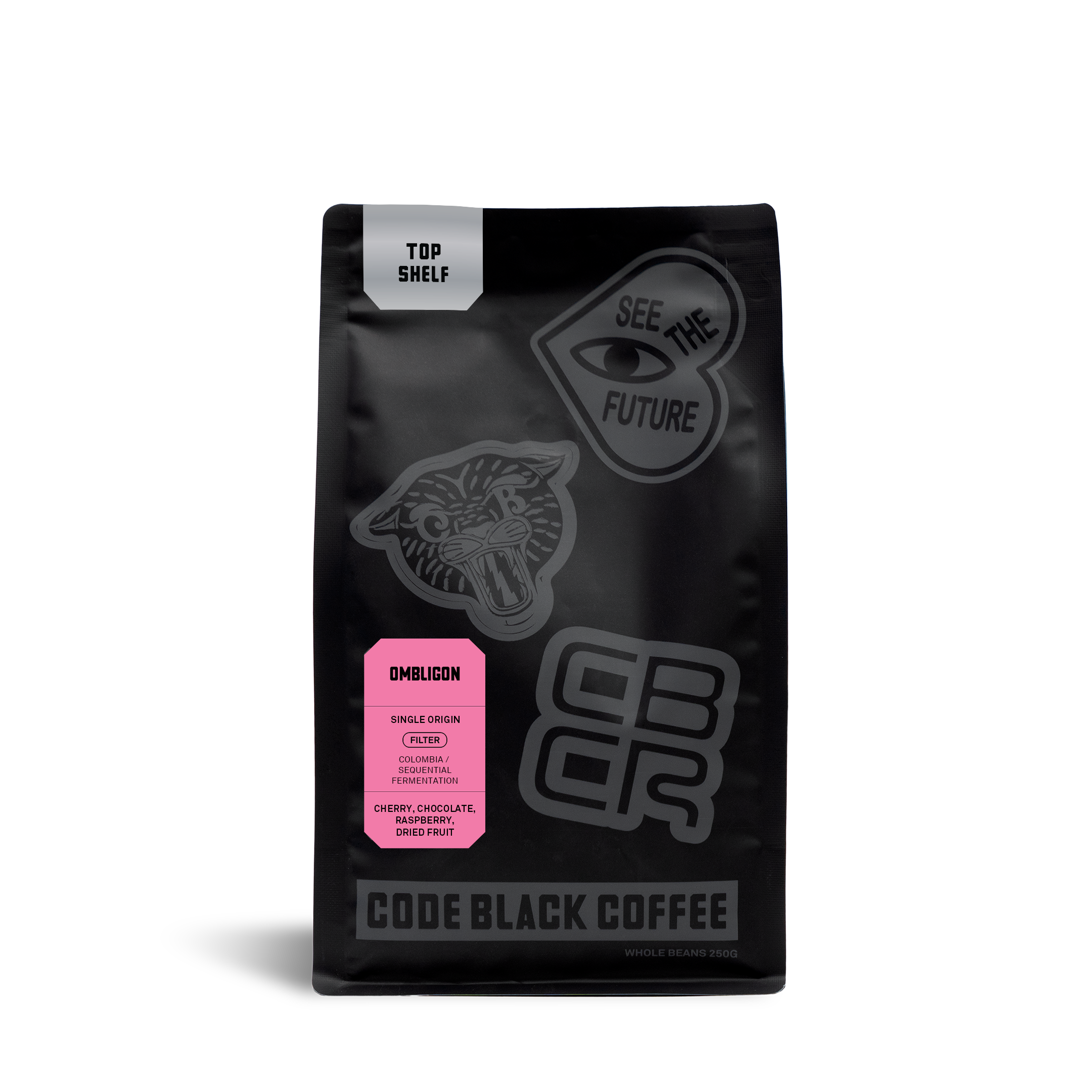 Colombia El Diviso Ombligon Filter - Single Origin - Code Black Coffee21 hours ago ... ... coffees and a better quality of life through innovation. Read more. PROCESS. Sequential Fermentation. REGION. Bruselas, Pitalito, Huila. ELEVATION. 1750 - 1950.codeblackcoffee.com.au
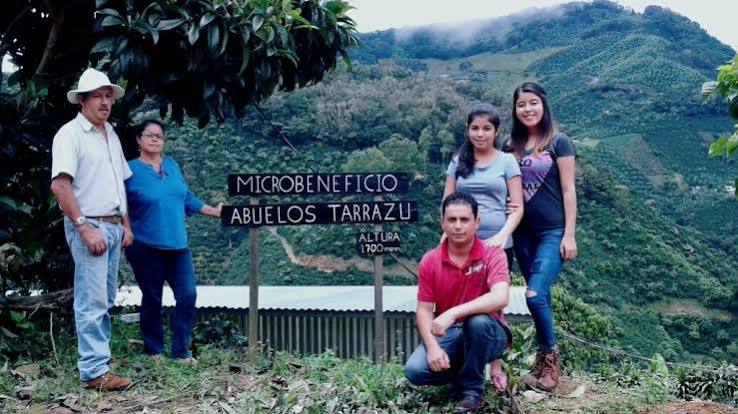 Costa Rica La Esperanza Familia Monge - The Kaffeeklatsch7 hours ago ... ... coffee processing and micro-mill innovations. Just ask Rodolfo Monge who has dedicated more than 40 years cultivating coffee at his 12-acre farm called La ...kaffeeklatsch.com
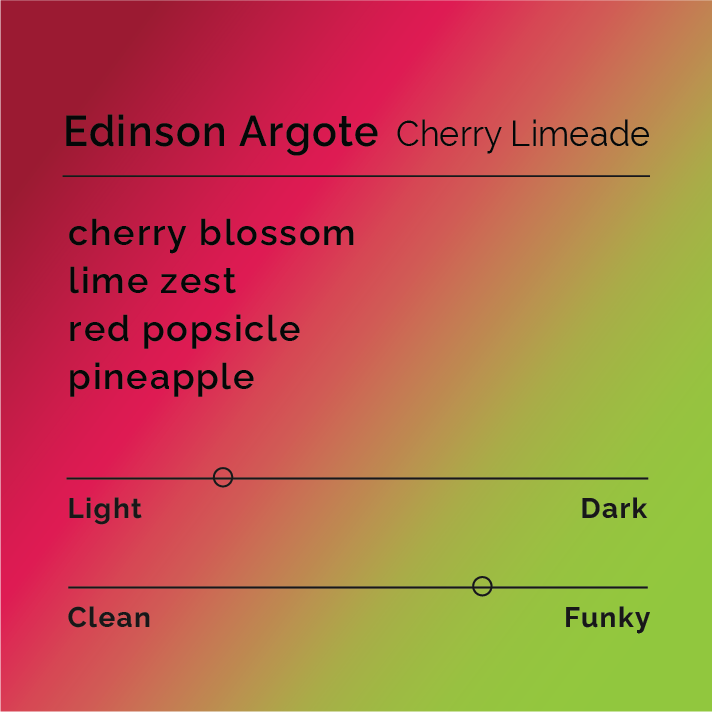 Edinson Argote Cherry Limeade - Black & White Coffee Roasters6 hours ago ... Today, La Quebradita is a hub for coffee processing and farmland innovation, experimenting with everything from yeast inoculation to soil care. Edinson has ...blackwhiteroasters.com
 From Roaster to Retailer: Scaling Coffee with Data - Standart20 hours ago ... One major shift came from connecting our sampling and cupping data directly with production roasts. This allowed us to check back on what we tasted at origin ...standartmag.com