Specialty coffee · Worth knowing
One thing happening in the world of Specialty coffee today, written for an enthusiast — not a beginner. Skip celebrity gossip. Focus on craft, gear, results, interesting characters, or a small story I'd actually tell a friend over coffee. Quality over quantity.
← Zur aktuellen AusgabeFermentation becomes measurable, cofermented washed rises
Hoffmann's Fermentation Project
Fermentation science just shipped as a tasting kit.
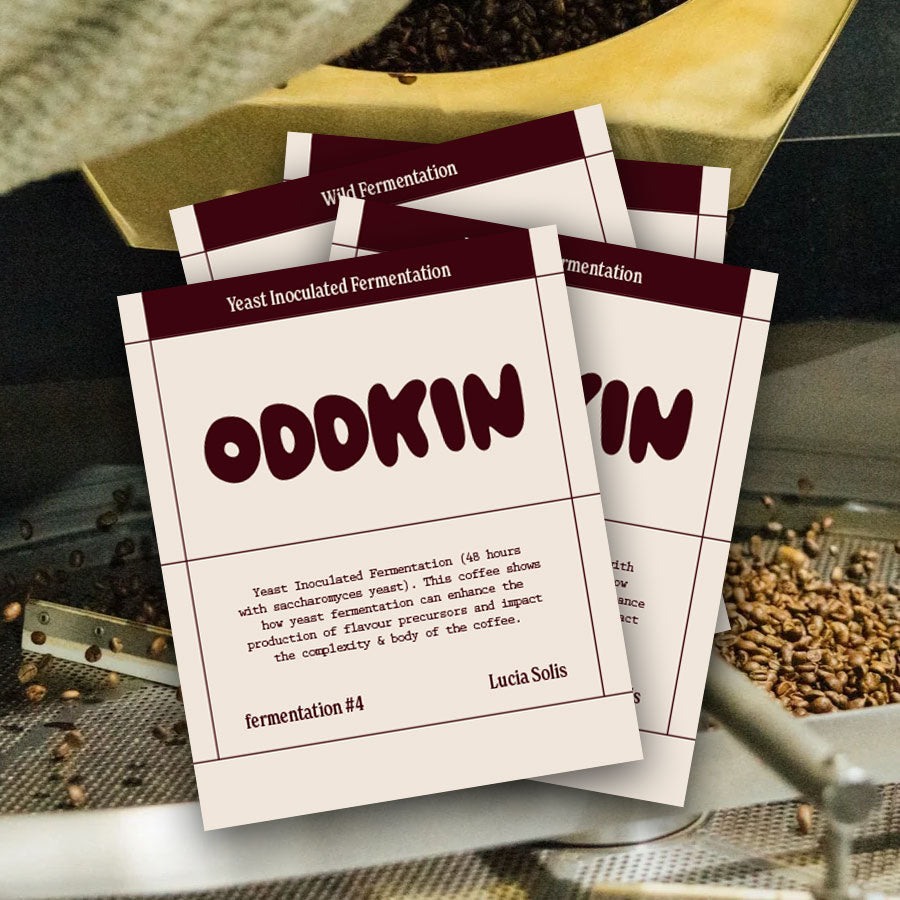
James Hoffmann and Lucia Solis—a fermentation specialist trained in UC Davis enology—designed a four-sample Guatemalan experience isolating fermentation as the only variable: mechanically washed control, wild fermentation, Lactobacillus inoculation, and yeast inoculation [Quelle: OddKin Coffee]. The global tasting drops mid-September, with live cupping sessions letting you watch how microbial choice shifts acidity, body, and complexity while origin stays locked. Protocol just replaced intuition.
This kit is already sold out.
Cofermented Washed Rises in Colombia
Jose Posada is fermenting coffee in chocolate broth.
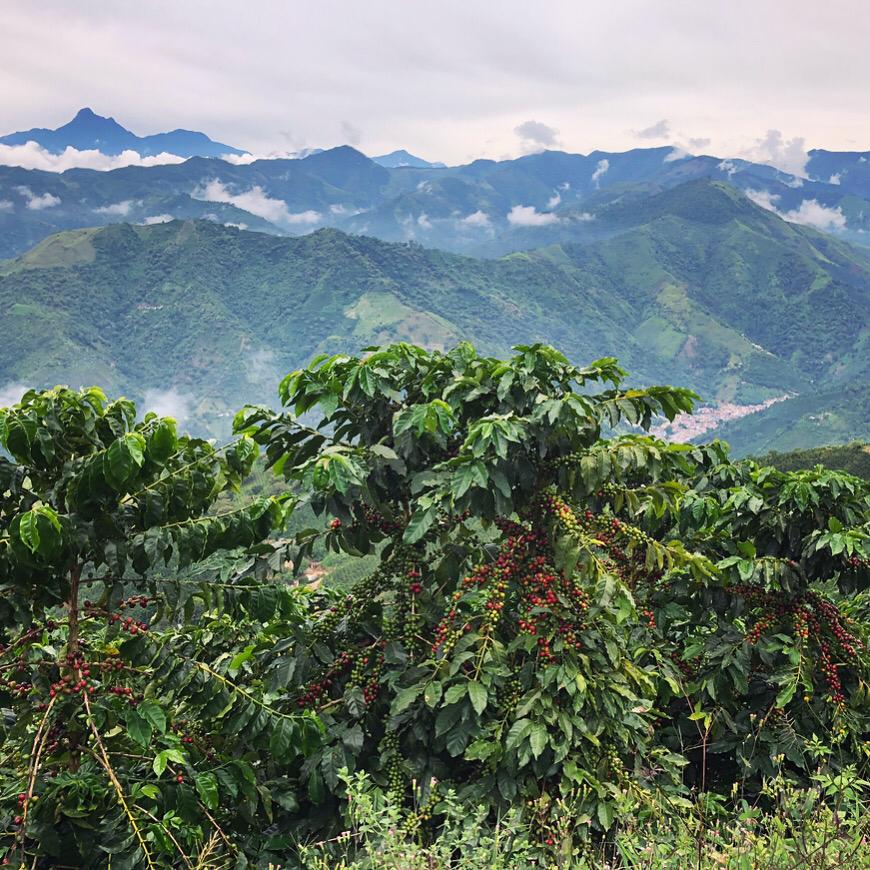
His Capilla del Rosario farm in Antioquia runs a cofermented washed technique using cocoa powder, cane sugars, and cultured microbes to enhance body, acidity, and chocolate character without additives [Quelle: Sucafina]. Posada, a fourth-generation grower with culinary training, built a 45-hectare processing laboratory—fermentation tanks, sensory lab, sample roastery—turning Capilla del Rosario into a hub for experimentation. He's hosting cupping education and harvest technique sessions, signaling that craft coffee now demands culinary precision.
Watch other Colombian producers copy this playbook.
Balancing Fermentation With Terroir
More fermentation doesn't mean better coffee.
Felipe Sardi of La Palma & El Tucán argues that anaerobic processing shouldn't obscure origin character—his farm tests whether Geisha and Sidra remain distinct after cofermentation, keeping experimental and terroir-focused lots separate [Quelle: MTPak Coffee]. Flavor emerges through microbial succession: yeasts produce alcohols first, then lactic acid bacteria take over as pH drops, with esters forming throughout drying. Temperature, pH, redox potential, and conductivity matter far more than fermentation time, yet anaerobically fermented coffees are fragile in storage—the volatile esters that justify premiums degrade first when exposed to oxygen or heat.
Craft scales when producers engineer for precision, not intensity.
 How does anaerobic fermentation affect coffee flavour?5 hours ago ... Instead, he argues that raw material, temperature, microbial activity, drying, and careful measurement ultimately determine whether experimental processing ...mtpak.coffee
 Jose Posada Chocolate Cofermented Washed - Sucafina23 hours ago ... ... processing innovation, education and coffee tourism. Jose brings together a ... After fermentation, the coffee is dried on shaded raised beds with ...sucafina.com
 The Fermentation Project - OddKin Coffee13 hours ago ... ... coffee in 2014. Today, she is a coffee fermentation and processing specialist with over 12 years of international experience, having worked alongside ...oddkincoffee.com