Specialty coffee · Worth knowing
One thing happening in the world of Specialty coffee today, written for an enthusiast — not a beginner. Skip celebrity gossip. Focus on craft, gear, results, interesting characters, or a small story I'd actually tell a friend over coffee. Quality over quantity.
← Zur aktuellen AusgabeFermentation becomes the language; New Zealand pushes latitude boundaries
Mosto fermentation deepens
Fermentation byproducts are now flavor solvents, not waste.
Colombian growers like Edwin Noreña and the Hernandez family have moved beyond simple anaerobic work into sequential fermentation cascades—using the sugary liquid left from one ferment as nutrient and flavor base for the next [Quelle: Convocation Coffee]. Mosto fermentation combines juice from pulping and post-ferment stages, building tropical complexity (lychee, lime, cotton candy) without the heavy funk of standard lactic work. The distinction from two days ago's anaerobic precision is subtlety: controlled cascades amplify origin character rather than dominating it.
This is fermentation as chemistry, not guesswork.
New Zealand's latitude experiment
Coffee is now growing where it botanically shouldn't.
Pekerau Hills in New Zealand's Far North sits at 35° south of the Equator—the planet's southernmost commercial coffee farm—and its limited releases prove latitude isn't destiny [Quelle: Vanguard Coffee]. The Laurina varietal processed with mosto fermentation and anaerobic washed techniques lands lime, panela, black tea, and green apple—clarity that challenges the assumption that specialty coffee requires equatorial altitude. The farm's success on innovation and grower obsession rather than geography sets a template for climate-shifted sourcing.
Watch if other cool-climate producers adopt this playbook.
Bag fermentation scales clean naturals
Natural processing just gained a repeatable technique.
Colombia's Incorporate co-op ferments cherries in bags for 72 hours with regular turning, then dries slowly in thin layers—stripping out the funky ferment funk while keeping fruit brightness [Quelle: LOT61 Coffee Roasters]. The cup reads clean: watermelon juiciness, balanced kiwi and goldenberry acidity. Founder César Diaz built alliances to distribute knowledge and resources across the co-op, proving that innovation scales when infrastructure and skill are shared, not gatekept.
This model matters more than the technique itself.
Anaerobic washed reveals roast sensitivity
Processing method now predicts roast outcome.
Zambia's anaerobic natural from Sweet Maria's reads berry kefir and kombucha in light roasts, then pivots to dark cocoa and chocolate stout in Full City+ [Quelle: Sweet Maria's]. The fermentation imprint stays legible across the roast curve—a signal that roasters can now dial processing method into their profiles rather than fighting it. This links back to last week's traceability edge: roasters who read the processing story gain roast precision others miss.
Cup complexity just became a roast choice, not a surprise.
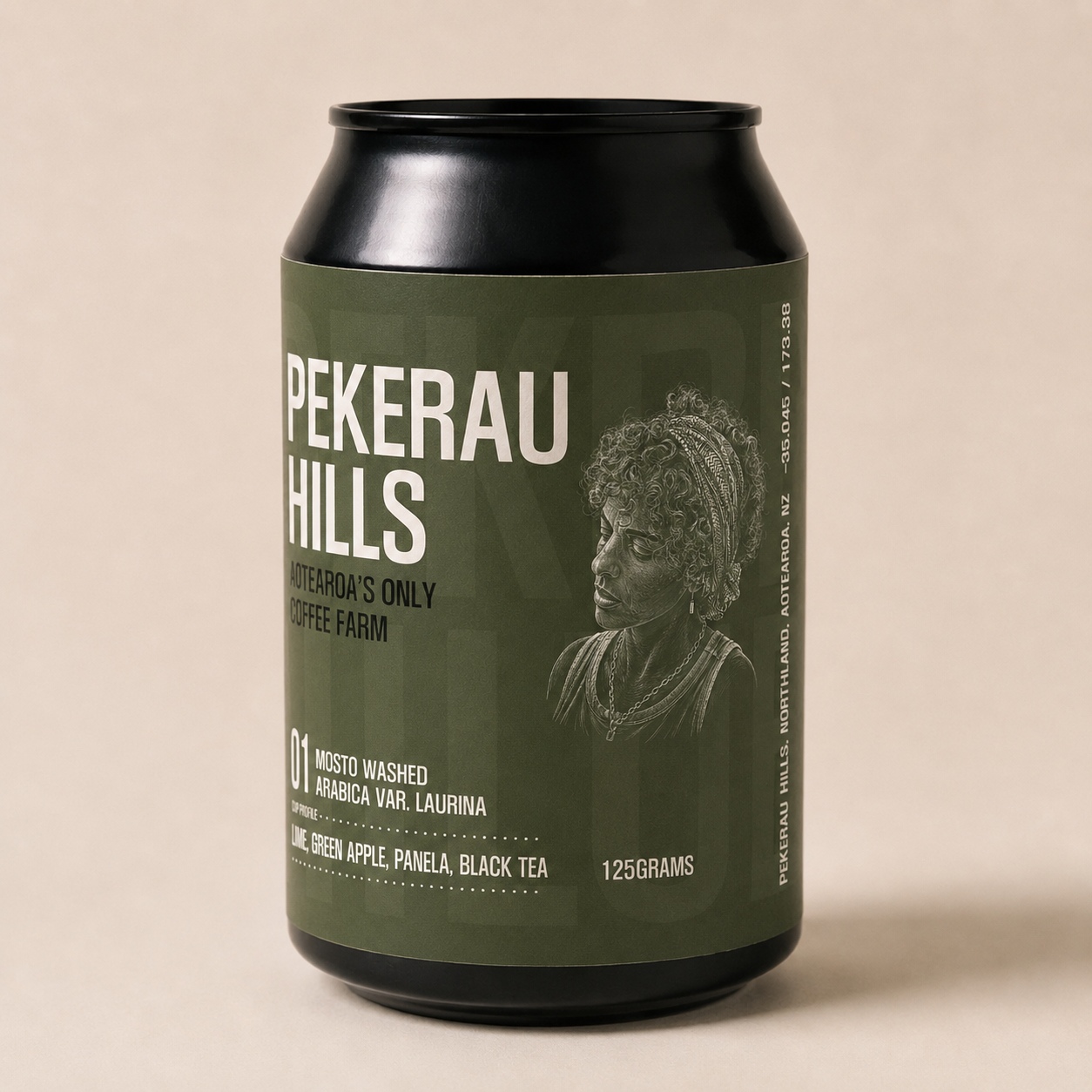 Lot 001 - Mosto Washed – Vanguard Specialty Coffee Company23 hours ago ... Processing method. WASHED - ANAEROBIC MOSTO FERMENTATION Mosto Anaerobic Washed is an innovative fermentation method that builds on traditional washed ...vanguardcoffee.co.nz
 Colombia Incorporate • LOT61 Coffee Roasters • Amsterdam3 hours ago ... The Incorporate co-op is an alliance of farmers and processing companies that helps partner specialty coffee with modern innovative processing techniques, ...lot61.com
 Colombia Noreña Green Apple Co-Ferment Natural22 hours ago ... Edwin is a well-connected and highly aspirational coffee producer who focuses on pairing very specific cultivars with very specific processing methods designed ...convocationcoffee.com
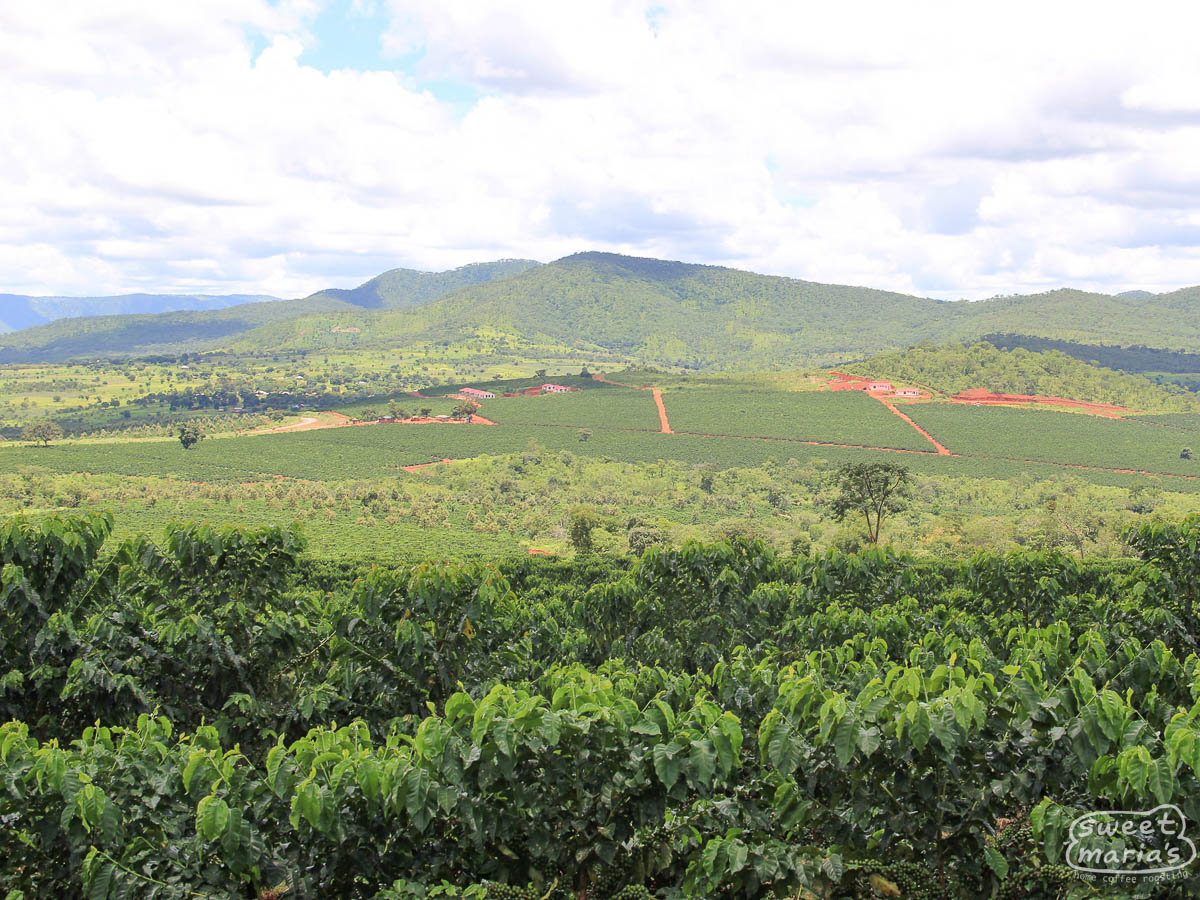 Zambia Anaerobic Natural Misambo - Sweet Maria's21 hours ago ... Just getting Zambian coffee is a rarity for us, and the fact that it's an anaerobic process method adds to our interest! COFFEE DETAILS. process method ...sweetmarias.com