Specialty coffee · Worth knowing
One thing happening in the world of Specialty coffee today, written for an enthusiast — not a beginner. Skip celebrity gossip. Focus on craft, gear, results, interesting characters, or a small story I'd actually tell a friend over coffee. Quality over quantity.
← Zur aktuellen AusgabeUganda's anaerobic wave, grinders split into tiers
Uganda's Fermentation Push
Zombie region coffees are chasing Colombian boldness.
Uganda Jukia, a natural-processed lot from northwest farms at 1,500–2,000 meters, undergoes 72 hours of sealed-tank anaerobic fermentation—the same technique reshaping Colombian auctions and now reaching East Africa [Quelle: Colberg Coffee]. The result: blueberry, cherry, plum, and red grape notes with an SCA 86 score, brewed clean in pour-over or AeroPress. This signals how fermentation mastery is no longer confined to Colombia, Panama, and India—it's spreading across origins as producers move beyond chocolate-and-nut profiles toward fruit-forward complexity.
Watch for allocation pressure on Ugandan micro-lots by year-end.
Grinder Market Splits Three Ways
Premium burr grinders are outpacing mass-market blade tools.
The global grinder market bifurcates into high-volume commodity and high-growth premium segments, with the premium tier capturing larger revenue shares through 2035 [Quelle: IndexBox]. E-commerce is now the primary discovery channel, and brands position on grind consistency, particle size control, and brew-method compatibility rather than appliance specs. The market is projected to reach $2.8 billion by 2035, driven by sustained at-home espresso and pour-over adoption that demands precision—not speed.
Winners focus on aroma preservation and reduced static; blade grinders fade.
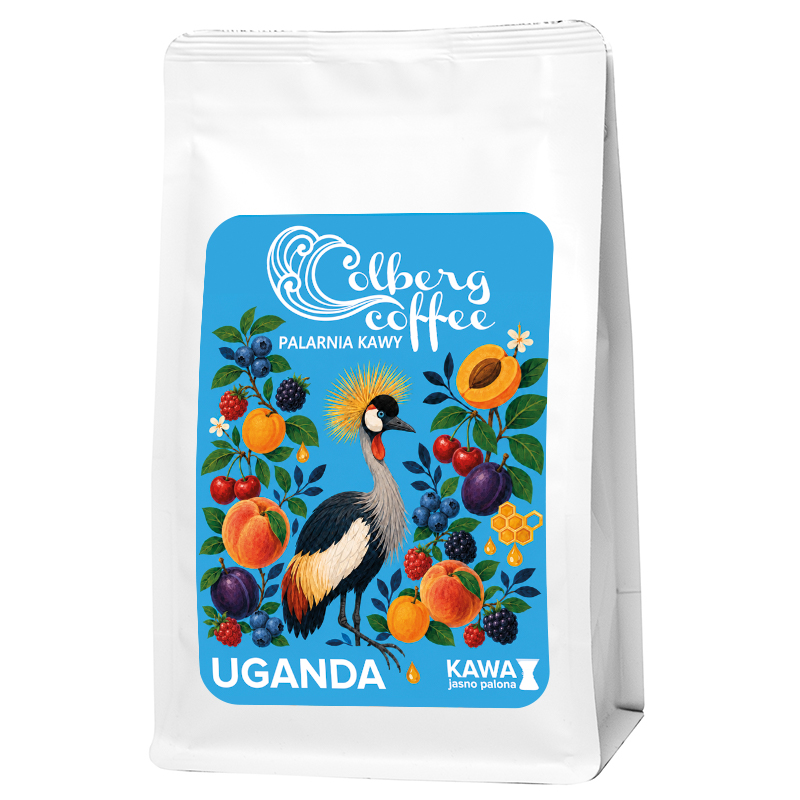 Uganda Jukia 72h Natural Anaerobic | Colbergcoffee13 hours ago ... This coffee is a particularly good example of what the modern fermentation methods used in specialty coffee can do. How to brew Uganda Jukia. Pour-over methods ...colbergcoffee.pl
 Coffee Grinder Market To 2035: Premiumization and at ... - IndexBox18 hours ago ... Major trends: Adoption of grind-by-weight technology for consistency, Growth of specialty coffee shops in emerging markets, Demand for high-volume, durable burr ...indexbox.io