Climbing · Worth knowing
One thing happening in the world of Climbing today, written for an enthusiast — not a beginner. Skip celebrity gossip. Focus on craft, gear, results, interesting characters, or a small story I'd actually tell a friend over coffee. Quality over quantity.
← See today's latestSchubert's second 5.15d, Climb Lab scales Tahoe
Schubert's DNA Repeat
Jakob Schubert just joined an elite two-person club.
The Austrian climber repeated DNA 5.15d, making him only the second person ever to climb two separate 5.15d routes [Quelle: Gripped]. The grade sits at climbing's current hard ceiling—fewer than a handful of 5.15d ascents exist globally. Schubert's route portfolio now spans wildly different stone and movement styles, a signal that his climbing transcends any single technical strength.
Watch for what he projects next.
The Climb Lab Launches
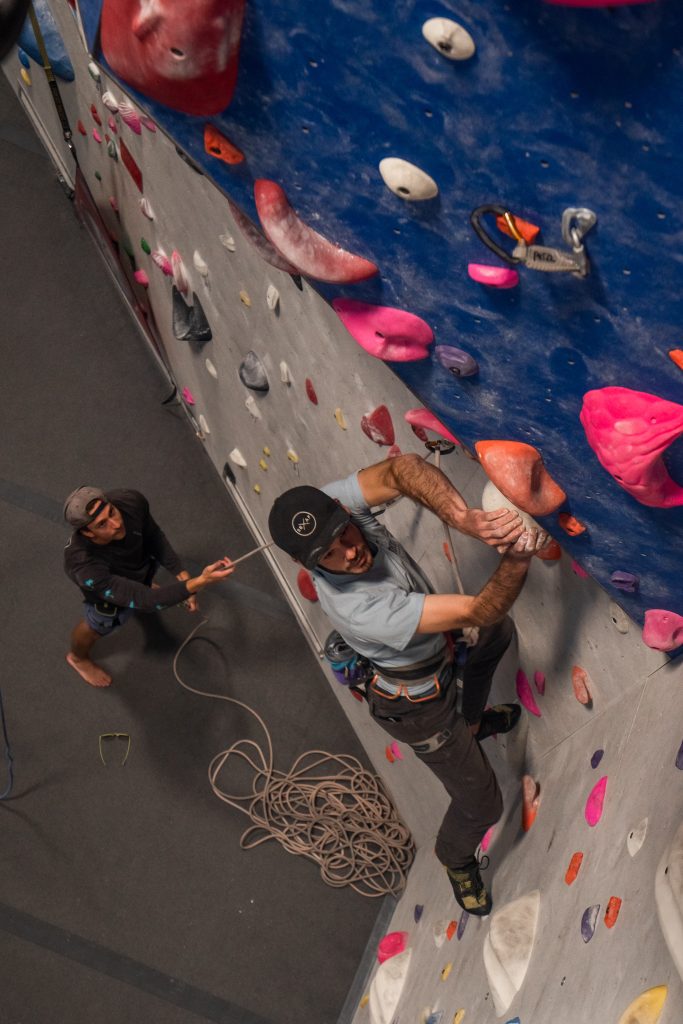
A climbing-specific training program just opened in South Lake Tahoe.
PT Revolution and Blue Granite are co-hosting The Climb Lab, a six-week performance series led by climbing-specialist physical therapist Josh Foster [Quelle: Tahoe Daily Tribune]. The eight-person groups meet twice weekly for 90 minutes, targeting body tension, posterior chain strength, and movement efficiency through both strength work and on-wall technique application. Cost is $500 for the full series.
Small-group, expert-led climbing training is becoming harder to ignore.
Why Hard Things Build Strength
Doing difficult climbs reshapes your nervous system, not just your muscles.
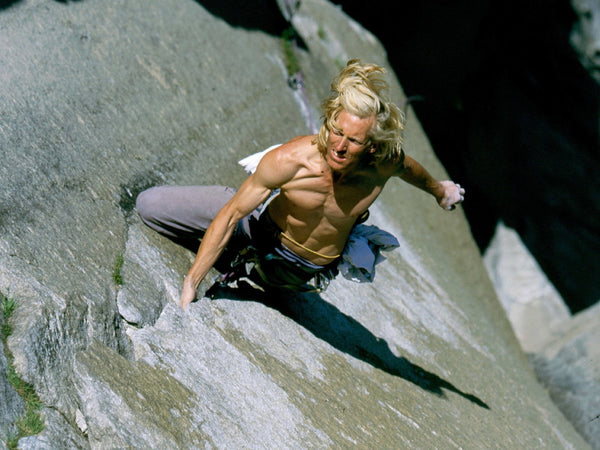
Research on stress inoculation shows that manageable adversity—like projecting a hard route—trains resilience and emotional regulation alongside physical adaptation [Quelle: Physivantage]. Climbers who successfully handle challenging problems develop better stress responses and confidence, learning to view effort as worthwhile rather than threatening. The mechanism is subtle: moderate challenge teaches your body that difficulty is survivable.
Intensity matters, but so does choosing climbs you can actually send.
 Jakob Schubert Repeats DNA 5.15d, First to Climb Two 5.15d Routes5 hours ago ... This is a rock climbing training video demonstrating a technique for setting a challenging route. The video shows a climber performing a series of fast ...facebook.com
 PT Revolution launches The Climb Lab, a six-week climbing ...10 hours ago ... SOUTH LAKE TAHOE, Calif. – PT Revolution is launching The Climb Lab, a six-week small-group training series designed to help climbers build strength, ...tahoedailytribune.com
 Grit Is Fit: The Science of Why Doing Hard Things Makes Us Stronger6 hours ago ... like speed climbing The Nose of El Capitan!] Stress Can Be Training. One fascinating concept in resilience research is stress inoculation. Much like physical ...physivantage.com