Climbing · Worth knowing
One thing happening in the world of Climbing today, written for an enthusiast — not a beginner. Skip celebrity gossip. Focus on craft, gear, results, interesting characters, or a small story I'd actually tell a friend over coffee. Quality over quantity.
← See today's latestGear workhorse tested, exploratory peaks mapped, grading puzzle solved
Sterling VR9 9.8 rope
Thickness without the handling penalty.
The Sterling VR9 9.8 is built for climbers doing laps—a 9.8mm diameter single-pitch workhorse with DryCore treatment that kills dirt without turning stiff [Source: Outdoor Gear Lab]. Testing in Yosemite showed near-pristine condition after heavy lead and top-rope use. At 62 grams per meter it's heavy, so save it for crags and gyms, not multi-pitch pushing.
The durability math changes what you'll actually climb.
Zhou's Xinjiang first ascents
One climber is mapping mountains nobody else is.
Chinese mountaineer Taozhu Zhou solo-climbed Muz Tau (3,840m) in July—likely the first documented ascent of what may have been Earth's most prominent unclimbed peak [Source: Explorers Web]. He also climbed Kertau/Tapkhan Peak in the same remote Xinjiang range near the Kazakhstan border. Zhou produced a 77-page report mapping both peaks' geography, glacier conditions, and routes—work that turns exploration into document, not just story.
His P2000 project proves that significant first ascents still exist for the patient and prepared.
Why US 9a+ routes are rare
American climbers aren't weaker—the mountains are different.
The US has only 13 routes graded 9a+ while Spain has 78, despite the US claiming 26 such climbers versus Spain's 21 [Source: 8a.nu]. Jonathan Siegrist and peers point to rock type and route philosophy: American crags favor short, bouldery problems that feel brutally hard; European routes demand endurance on taller faces. The US also lacks abundant tall formations for hard sport development—many elite Americans simply migrate to Spain to send.
Geography shapes the ladder as much as grit does.
 Sterling VR9 9.8 Review | Tested & Rated - Outdoor Gear Lab18 hours ago ... The Sterling VR9 9.8 is our favorite climbing rope when it comes to purchasing that single pitch crag workhorse that you can beat into the ground season after ...outdoorgearlab.com
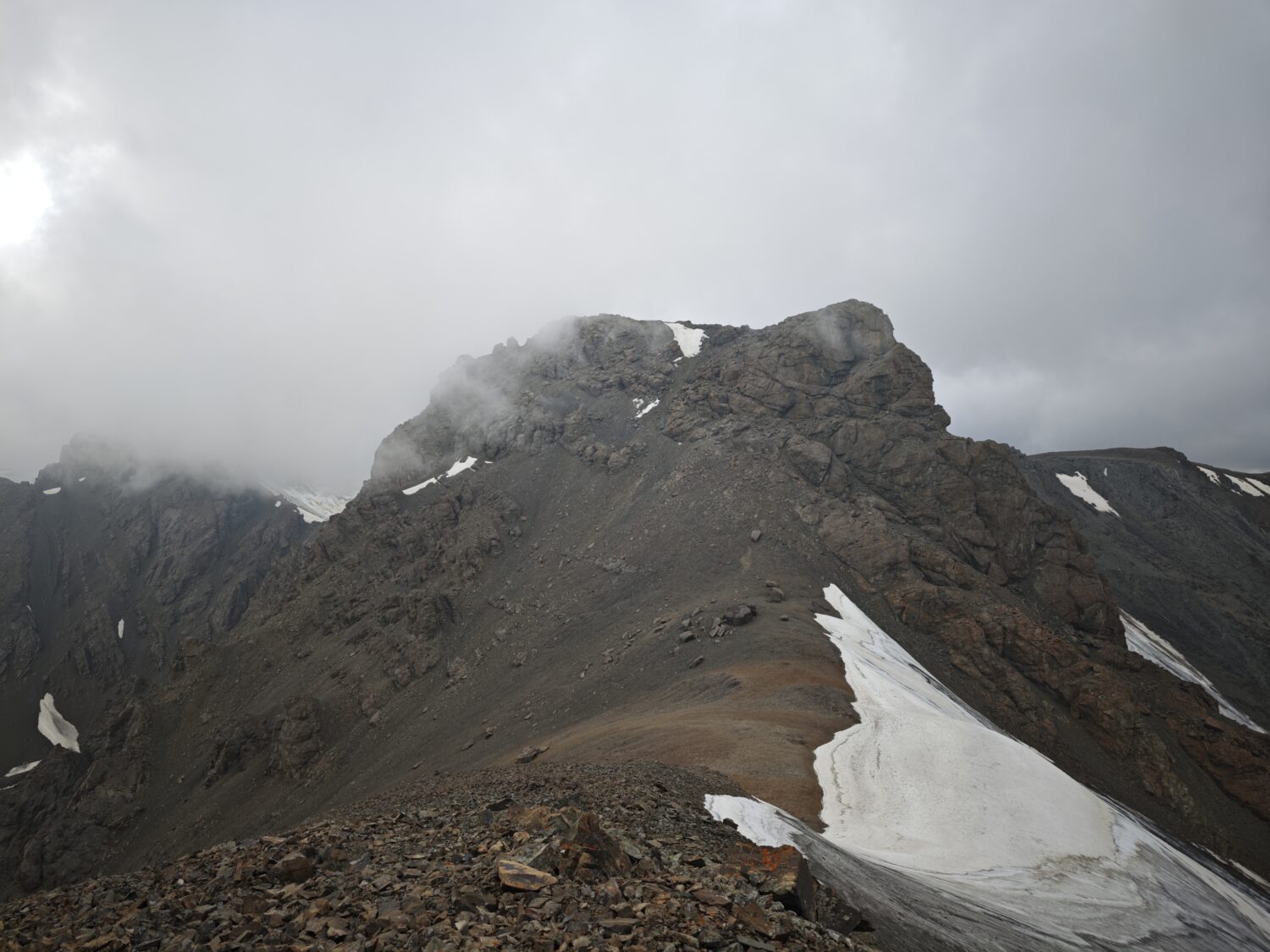 Exploratory Mountaineering in China's Northwest - Explorersweb »6 hours ago ... ... mountaineering and expedition news. She has been writing about climbing and mountaineering, adventure and outdoor sports for 20+ years. Prior to that ...explorersweb.com
 Vertical-Life | Climbing Community & News - Find, Log & Share - 8a.nu8 hours ago ... Interestingly, until 2019 he almost only focused on comps but struggled to get into the semis. Later, he focused more on outdoors and his comp results improved ...8a.nu