Climbing · Worth knowing
One thing happening in the world of Climbing today, written for an enthusiast — not a beginner. Skip celebrity gossip. Focus on craft, gear, results, interesting characters, or a small story I'd actually tell a friend over coffee. Quality over quantity.
← See today's latestRock Master turns forty; knee bars rewired
Rock Master's Four Decades
Arco just hosted climbing's biggest pilgrimage.
Rock Master 2026 drew over 10,000 climbers from across Europe for three days of competition, talks, and gear demos [Quelle: Rock Master]. Legendary athletes including Lynn Hill, Didier Raboutou, and Yūji Hirayama walked the crowd through climbing's early chapters while today's elite showed what the sport has become. The event reinforced Arco as the sport's true home, cementing a forty-year run as the place where climbing's evolution actually happens.
The 2026 program signals another decade of cultural weight ahead.
Knee Bars: Match Leg to Geometry
The knee bar isn't about strength—it's about fit.
Modern steep climbing demands wedging your lower thigh into a feature while pressing your foot in opposition, creating the tension that rests arms on roofs and overlaps [Quelle: EVMT Brands]. Success hinges on the Shindex—how your leg length matches the hold geometry—more than raw power. Training starts on forgiving terrain like inside corners, then progresses to steeper walls as you learn controlled entries and exits without jamming the kneecap.
Kneepads and dry hands with liquid chalk turn long overhanging routes into recoverable ground.
Boulder Openings Unlock Movement
The boulder start is underrated technique territory.
Climbing coach Tom Randall breaks down four first-move variations that build precision and set the tone for the entire problem [Quelle: Climbing Magazine]. How you load weight, sequence your feet, and commit to the initial pull shapes everything downstream—the crux, the send, the feel. Most climbers ignore this moment; the climbers who own it build consistency across grades.
Start owning your opens and watch problem-solving sharpen.
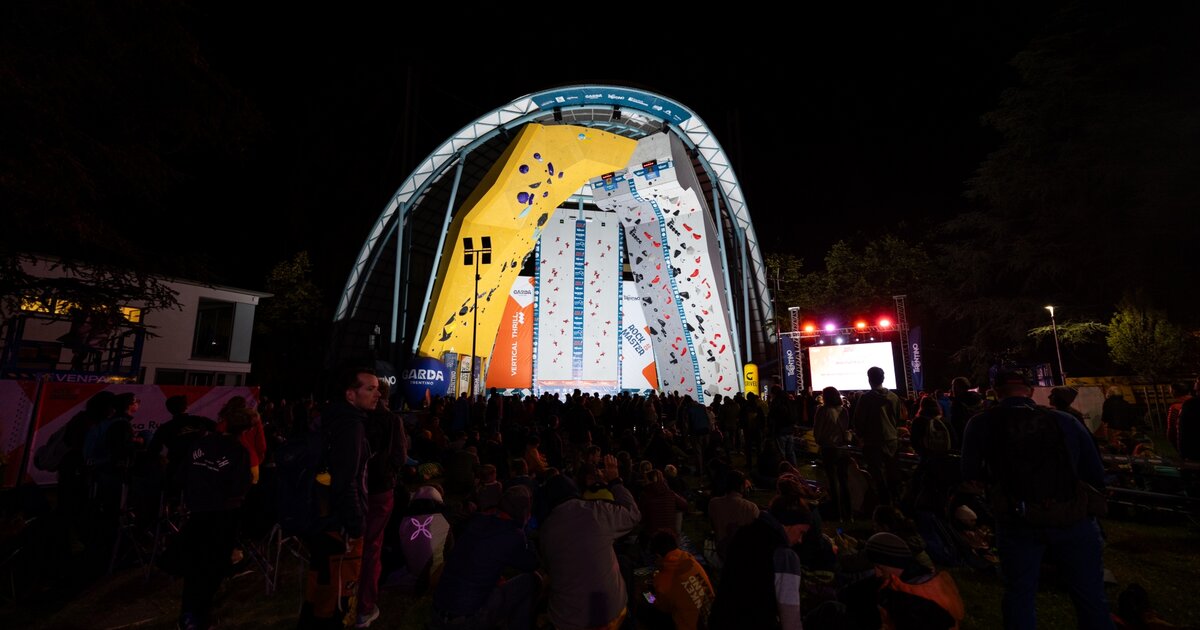 Rock Master Arco7 hours ago ... Rock Master is one of the most prestigious climbing competitions in the world, and there's no better place for it than Arco, in the Garda Trentino.rockmaster.com
 The start of a boulder can be the most obvious part—but to climbing ...23 hours ago ... Chalked.Climber ▻ Climbers Crag - A Rock Climbing Training Community. 7y ... ” As long as you master the proper techniques for lead climbing and you ...facebook.com
 Knee Bar Rock Climbing: A Practical Technique Guide - EVMT Brands16 hours ago ... Master knee bar rock climbing techniques for steep terrain. Learn body positioning, safety tips, and training progressions to rest effectively on overhangs.evmt.co