Agentic Coding
Top tech stories today across software, hardware, AI, and product launches. Senior engineer audience — skip rumour churn and pre-announcement leaks. Lead with shipping-now stories and what changed for builders.
← See today's latestManaged agents handle your infra, situational awareness reframes agent value, CLI ecosystem hits 110+ tools
Claude Managed Agents
Anthropic wants you to stop building agent infrastructure entirely.
Claude Managed Agents is a fully managed service that handles hosting, session management, sandboxing, and observability so you focus on domain logic instead of plumbing [Source: ZenML]. The pitch: 60% faster time-to-first-token for typical workloads and 90% improvement at the tail. Sessions become first-class resources with state machines that recover from failures automatically. There's even a "dreaming" feature where batch processes extract insights from session logs for self-improvement over time.
Worth watching if your harness code has become a second product.
Situational Awareness Shift
Google Labs thinks we're measuring AI coding tools wrong.
Their framing splits agents into three types: reactive tab-completion, scheduled background monitors, and fully situationally aware agents that understand both product telemetry and your stated priorities [Source: Google Labs]. Type III agents weigh interruption cost against utility and choose between notifying, questioning, drafting, or staying deliberately silent. The metric shifts from code output to how well agents protect your attention for strategic work.
Reframes the Cursor versus Claude Code choice as an attention budget decision.
50 Claude Code Tips
A fresh tips collection reinforces the CLAUDE.md-first approach you've been refining.
The AgentsRoom guide covers 50 actionable patterns including splitting work across specialized agents with clear roles, using an Architect agent to plan before spawning implementation agents, and matching model tiers to task complexity—Opus for architecture, Sonnet for implementation, Haiku for quick fixes [Source: AgentsRoom]. It also emphasizes keeping sessions short with clean context for faster responses and connecting MCP servers so agents pull context directly without manual copy-pasting.
Pairs well with the symlink strategy from yesterday's issue.
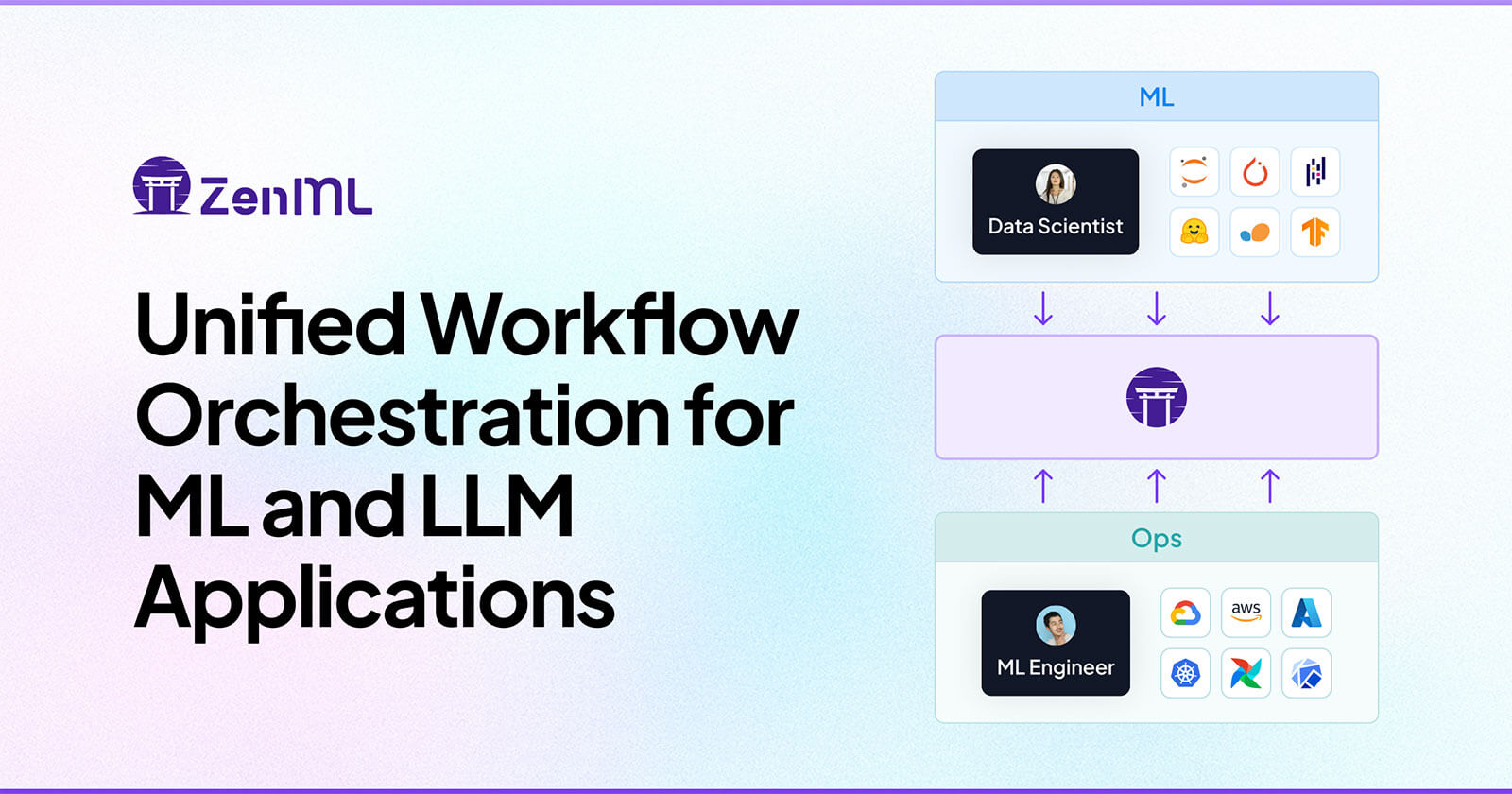 Evolution of Agentic Infrastructure: From Messages API to Claude ...8 hours ago ... Context Engineering and Memory. Context engineering is identified as one of the ... context management, and evaluation. Rather than allowing fragmented ...zenml.io
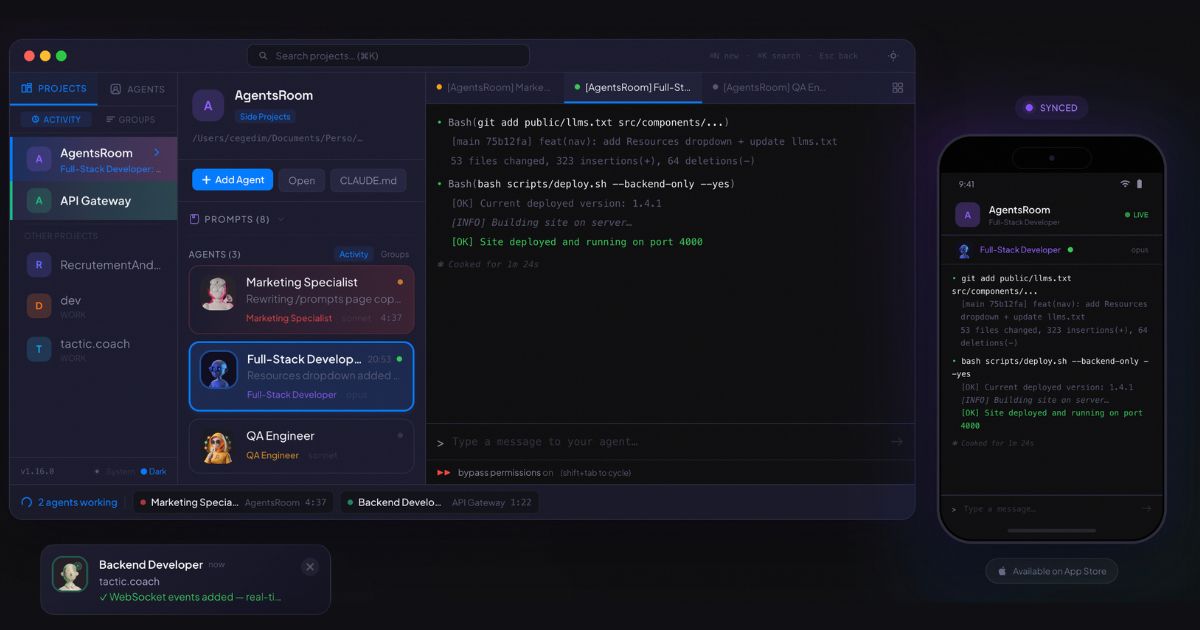 50 Claude Code Tips & Tricks: Ship 10x Faster in 2025 | AgentsRoom20 hours ago ... Now create one for /users/:id/settings following the same pattern.' Workflow Optimization. 8. One agent, one task.agentsroom.dev
 Situationally Aware Agents – /code - Google Labs7 hours ago ... Models can serialize their state in milliseconds and manage a million tokens of context, while our human memory is lossy and slow. ... Agentic Coding Needs ...labs.google