Agentic Coding
Top tech stories today across software, hardware, AI, and product launches. Senior engineer audience — skip rumour churn and pre-announcement leaks. Lead with shipping-now stories and what changed for builders.
← See today's latestSubagents get a visual dashboard, dynamic workflows explained, Fable 5 goes open source
AgentsRoom visual dashboard
Managing subagents just got a lot less terminal-bound.
AgentsRoom ships a visual command center that runs real Claude Code CLI processes in parallel across multiple projects [Source: AgentsRoom]. You get 14 built-in agent roles—Frontend, Backend, QA, DevOps, Security, Architect, and more—with real-time visibility into what each subagent is doing. Your existing .claude/agents configurations work unchanged, and it supports hooks and MCP servers natively. If you've been juggling terminal tabs to watch parallel work, this consolidates everything into one dashboard.
Worth trying if your subagent count keeps climbing.
Dynamic workflow patterns
Six composable patterns cover most of what you'll ever need.
A new guide breaks down how Claude Code's dynamic workflows fix three failure modes: agentic laziness, self-preferential bias, and goal drift [Source: ClaudeFast]. The harness spawns isolated agents—each with fresh context—then orchestrates results using building blocks like agent(), pipeline(), and parallel(). The six patterns include classify-and-act, fan-out-and-synthesize, adversarial verification, generate-and-filter, tournament, and loop-until-done. Workflows run in the background, support pause and skip, and resume from checkpoints.
Token cost is higher, but so is reliability on complex tasks.
Fable 5 orchestration open-sourced
The most complete Fable 5 workflow just went public.
Someone open-sourced a full agent orchestration skill for Claude Code that reportedly flips how most developers think about structuring AI coding agents [Source: X/Twitter]. The repo focuses on orchestration patterns that could help solo founders run multi-agent workflows more efficiently. Details are thin, but the reception suggests it's worth cloning if you've been building Fable-style setups by hand.
Dig into the repo before the community forks it in ten directions.
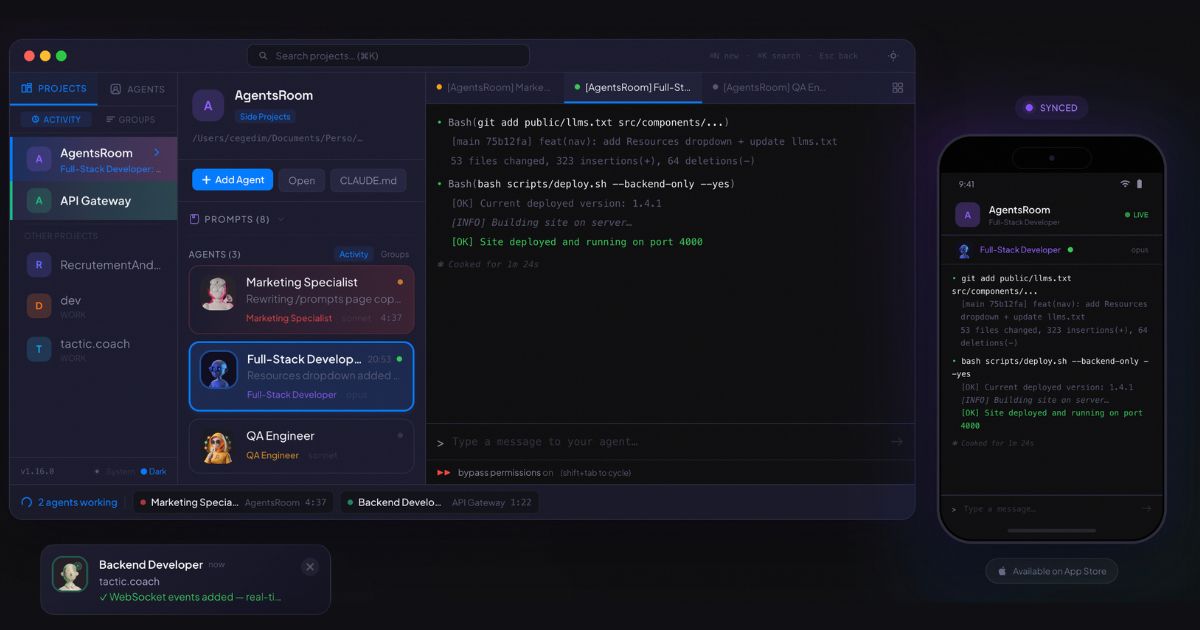 Claude Code Subagents: Visual Manager for Multi-Agent Workflows3 hours ago ... Subagents also enable true multi-agent workflows. A single Claude Code session can fan out to multiple subagents, each running a slice of the job, each with its ...agentsroom.dev
 Dynamic Workflows in Claude Code: How the Harness Actually Works8 hours ago ... The default Claude Code experience is one fixed harness built for coding. A dynamic workflow swaps in a custom one. Claude Code's Dynamic Workflows ...claudefa.st
 GitHub - sherlockholmesyes/fable-agent-orchestration18 hours ago ... Vaibhav Sisinty (@VaibhavSisinty). 7 likes 7 replies. Someone just open sourced the most complete Fable 5 agent orchestration workflow I have come across.x.com