Du wirst angemeldet...

Bitte warte, während wir deine Anmeldung überprüfen

Artikel · Freitag, 9. Oktober 2026

Agentic Coding

Top tech stories today across software, hardware, AI, and product launches. Senior engineer audience — skip rumour churn and pre-announcement leaks. Lead with shipping-now stories and what changed for builders.

Von Marius BongartsTech135 Ausgaben
← Zur aktuellen Ausgabe
Ausgaben
14 / 135
Über Nacht von KI aus öffentlichen Quellen erstellt, täglich aktualisiert.
Agentic Coding
Freitag, 9. Oktober 2026
AI Agents - Agentic Coding

Persistent memory slashes tokens 71x, storytelling PRDs sharpen your agent, skills get categorized

1 Min. Lesezeit

Obsidian Memory System

Your agent can now remember everything—and use 71x fewer tokens doing it.

A new Claude Code setup combines Obsidian's Zettelkasten method with Graphify knowledge graphs to eliminate session amnesia entirely [Source: GitHub]. Your project decisions, architecture choices, and progress persist in a vault that Claude queries instead of re-reading files. The system includes /resume and /save commands for session continuity, auto-save hooks that capture facts when you exit, and a Git hook that rebuilds the graph on every commit. Cross-project linking through wikilinks means knowledge compounds across your entire portfolio.

Pairs perfectly with the token compression tools you've been stacking all week.

PRD as Storytelling

Your .md files aren't documentation—they're your agent's brain.

A deep dive on PRD structure argues the best files work as narratives, not just specs [Source: DEV]. The recommended structure: North Star (vision and goals), Context (guardrails and audience), Roadmap (feature checklists), Glossary (project-specific terms), and Evolution Log (change history). Framing projects as stories helps your agent understand intent rather than just following commands, which means smarter suggestions and fewer rewrites. The article also recommends linking to JIRA tickets, Figma files, and Confluence pages to create a contextual corpus your agent can navigate.

Worth revisiting your CLAUDE.md with this lens.

Categorized Skills Guide

The skills ecosystem just got a proper map.

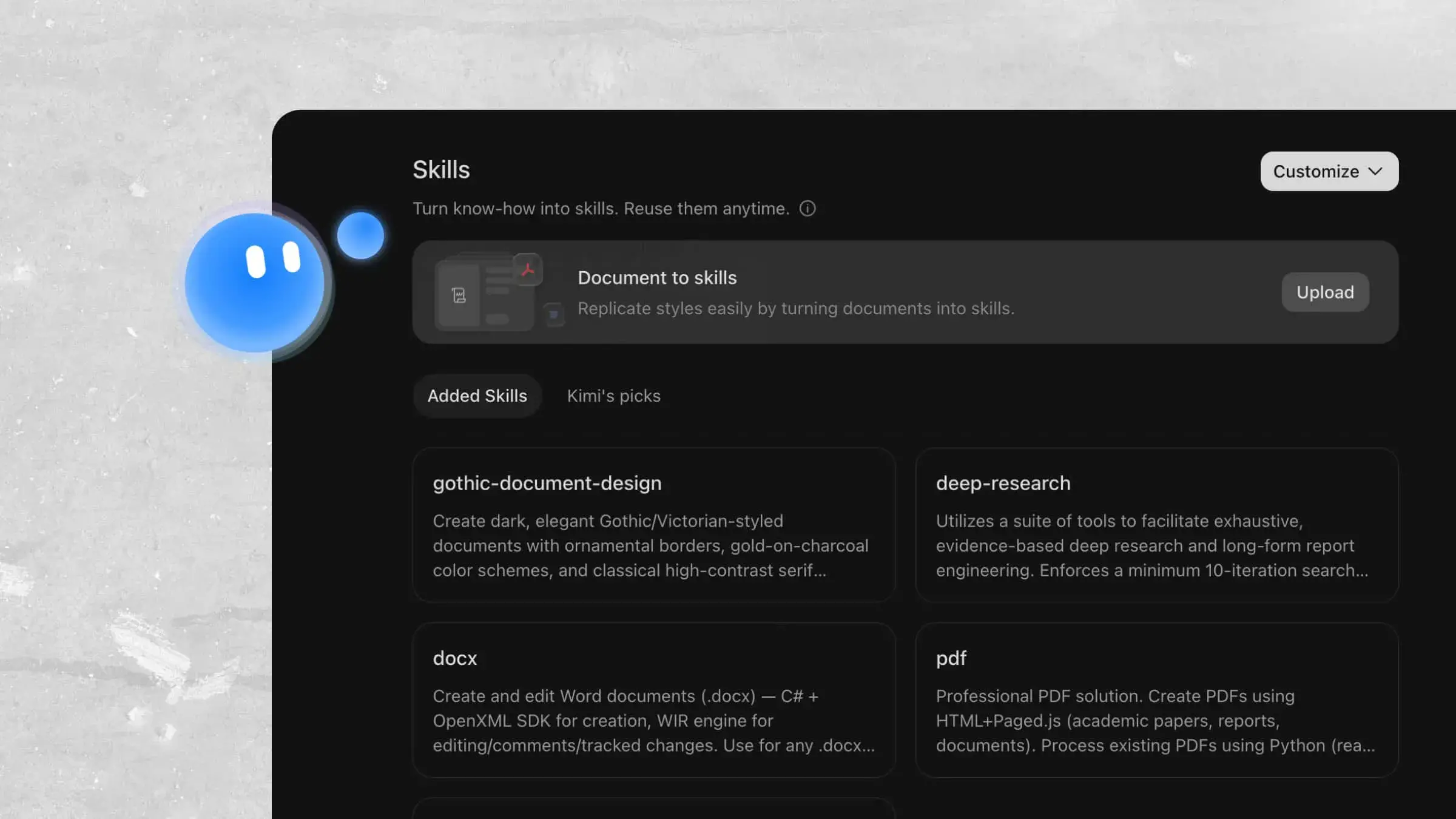
Kimi published a guide organizing Claude Code skills across four categories: creative design, document processing, technical development, and enterprise communication [Source: Kimi]. You'll find 20 community skills from GitHub sorted by function—debug-skill for breakpoints and variable inspection, crypto and ecommerce data analysis, 125+ bioinformatics tools, and security skills covering OWASP Top 10 2025. The guide also explains how to convert SOPs and internal guidelines into reusable skills, turning your existing documentation into structured agent instructions.

Good complement to Matt Pocock's collection from earlier this week.
Quellen
A Complete Guide to Claude Code Skills and Use Cases - Kimi.ai
10 hours ago ... ... workflows. This complete guide to Claude Code skills and use cases will help you explore their features, understand real-world applications, and make better ...
kimi.ai
KI-Zusammenfassung

The guide provides practical steps for creating and managing Claude Code skills to optimize workflows. Key sections cover: opening the skills section in Claude, creating new skills by describing them to Claude for automatic generation, and running skills through the chat interface. The content details official skills across categories like creative design, document processing, technical development, and enterprise communication, with specific examples such as frontend design skills using React 18 and TypeScript, PDF/Excel processing capabilities, and MCP server construction. Additionally, it lists 20 community-created skills from GitHub organized by function—including development tools like the debug-skill for breakpoints and variable inspection, data analysis skills for crypto and ecommerce, scientific research tools with 125+ bioinformatics skills, and security-focused skills covering OWASP Top 10 2025 and agentic AI security. The guide also explains converting documents into reusable skills using Kimi, allowing SOPs and internal guidelines to become structured, actionable instructions that work alongside built-in skills for improved task accuracy and workflow efficiency.

Quelle öffnen
GitHub - lucasrosati/claude-code-memory-setup: Up to 71.5x fewer ...
22 hours ago ... Together, they can help Claude Code recover relevant context. Source reads ... Part 4 — Complete Workflow. Typical session. Open Claude Code session ...
github.com
KI-Zusammenfassung

Claude Code workflow optimization with persistent memory using Obsidian Zettelkasten and Graphify knowledge graphs. The setup eliminates session amnesia by storing project decisions, architecture, and progress in a centralized vault accessible to Claude Code through custom skills and CLAUDE.md instructions. Graphify transforms your codebase into a queryable AST-based knowledge graph that persists across sessions, reducing token consumption by querying structured code relationships instead of re-reading files. The complete workflow integrates chat import pipelines to index Claude conversations, /resume and /save commands for session continuity, and auto-save hooks that capture session facts when you exit. A Git hook automatically rebuilds the graph on commits, and the system supports multiple projects within a single vault with cross-project knowledge linking through Zettelkasten wikilinks.

Quelle öffnen
The .md File: A Masterclass In Storytelling - DEV Community
9 hours ago ... When Cursor scans your README.md , it isn't just reading words—it's absorbing the architecture of your app. ... The best place to master agentic coding. For the ...
dev.to
KI-Zusammenfassung

In the world of software development, the .md file serves as a strategic blueprint for projects, functioning as the AI's "long-term memory" in Claude and as the architectural map in Cursor. A high-impact .md file should be structured with a clear North Star (vision and goals), Context (guardrails and audience), Roadmap (feature checklists), Glossary (project-specific terminology), and Evolution Log (change history). The PRD (Product Requirements Document) is the most critical .md file type, acting as a contract between vision and execution by defining what's being built, why, and what success looks like, which removes guesswork and drastically reduces the need for rewrites. To maximize effectiveness, use the .md file as a central hub by linking to related artifacts like JIRA tickets, Confluence pages, and Figma files, creating a contextual corpus that connects vision to execution. The most effective .md files employ storytelling—framing projects as narratives with logical flow—which helps AI understand intent rather than just following commands, leading to smarter suggestions. Treating the .md file as a living document that evolves with the project ensures the source of truth remains current and clear as the project scales.

Quelle öffnen
Über Nacht zusammengestellt von MorningMail.aiZugestellt um 04:55