Agentic Coding
Top tech stories today across software, hardware, AI, and product launches. Senior engineer audience — skip rumour churn and pre-announcement leaks. Lead with shipping-now stories and what changed for builders.
← Zur aktuellen Ausgabe50-tip speedrun, dynamic workflows fix agent drift, skills load smarter
50 Claude Code tips
Someone distilled the entire Claude Code playbook into one scrollable page.
AgentsRoom's 50-tip guide covers the high-leverage moves you probably haven't combined yet—writing a tight CLAUDE.md at your project root, running 2–3 agents in parallel on separate Git branches, and chaining sequential prompts instead of dumping entire features into one request [Source: AgentsRoom]. It also recommends matching model selection to task complexity: Opus for architecture decisions, Sonnet for implementation, Haiku for quick fixes. The .claude/settings.json hooks for automatic testing after each file edit are worth stealing first.
Bookmark it before your next sprint.
Dynamic workflow harnesses
Your long sessions fail for three reasons—and now there's a pattern for each.
ClaudeFast's new guide explains why complex tasks break down: agentic laziness (incomplete work), self-preferential bias (agents grading their own output too kindly), and goal drift (requirements eroding as context grows) [Source: ClaudeFast]. The fix is spreading work across isolated Claude instances, each with a fresh context window. Six reusable patterns—fan-out-and-synthesize, adversarial verification, tournament—get written as JavaScript harnesses on demand. A security review spawning one agent per file instead of one agent reviewing fifty is the canonical example.
More tokens, but finally reliable on large parallel tasks.
Skill loading done right
Your skills folder is probably burning tokens before anything useful happens.
Firecrawl's latest breakdown shows how effective skills load progressively—scanning only metadata at startup (~100 tokens per skill) and pulling full instructions only when triggered [Source: Firecrawl]. The Handoff skill compresses sessions into structured markdown for cross-agent delegation, while Context Mode filters verbose shell output and maintains a session log for state restoration after resets. Caveman compresses output tokens by 65% on average by stripping narration while preserving technical content. Stack complementary skills by type: Firecrawl for web data, Frontend Design for aesthetics, React Best Practices for performance.
Tight routing rules in your skill descriptions are the difference between reliable activation and random misfires.
Context budgets under 200 lines
Martin Fowler's latest fragment confirms what power users already suspected.
Keep your agents.md under 200 lines—models don't automatically focus attention on the right parts of a large context window without deliberate management [Source: Fowler]. For cost optimization, instruct Claude to decide which smaller models handle routine tasks while you reserve frontier models for reasoning-heavy work. Local models like Qwen 3.6 are proving viable for productivity gains. The broader consensus: managing the unit of work—size, preparation, validation, guardrails—is foundational to reliable agentic workflows.
Smaller context, sharper focus.
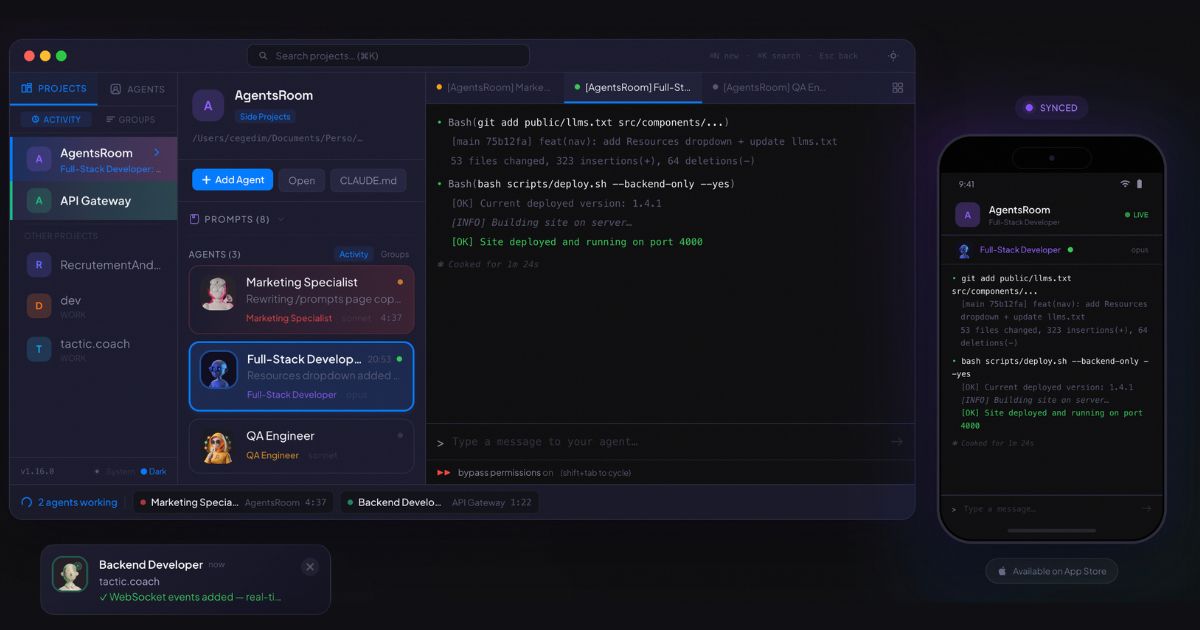 50 Claude Code Tips & Tricks: Ship 10x Faster in 2025 | AgentsRoom23 hours ago ... The complete Claude Code tips and tricks guide. 50 actionable best practices to boost your AI coding productivity: prompts, workflows, multi-agent setups, ...agentsroom.dev
 Dynamic Workflows in Claude Code: How the Harness Actually Works9 hours ago ... Agentic Orchestration Kit for Claude Code. Get Claude Fast. Ask Claude Code to run a security review across fifty files, ...claudefa.st
 Best Claude Code Skills to Try in 2026 - Firecrawl5 hours ago ... If you're building agents that need web data as part of a larger workflow, also read our guide on the Claude Agent SDK with Firecrawl.firecrawl.dev
 Fragments: July 13 - Martin Fowler10 hours ago ... This time we had a whole session on it. When comes to the guide side of harnesses, most of the discussion is about context management. ... agentic programming.martinfowler.com