Fintech · Industry brief
Top three stories shaping Fintech today, written for someone who already works in the industry: regulation, M&A, new entrants, notable filings, and any precedent worth pulling. Cite the trade publication (e.g. trade press, government source, court docket) directly so I can follow up.
← Zur aktuellen AusgabeAirwallex under fire, India's fintech M&A gap widens, auto dealer fined
Airwallex faces U.S. and Australian pressure
The $11 billion payments unicorn is caught between two regulators.
Airwallex, which raised $320 million in Series H funding in late June led by Addition and valued at $11 billion, is under fire from U.S. lawmakers and Australian authorities simultaneously. Senator Tom Cotton sent a letter to Treasury in June urging a Committee on Foreign Investment in the United States investigation into Chinese investor stakes held by Tencent and HongShan, citing national security risks [Quelle: Fortune]. Australia's AUSTRAC separately ordered the firm in January to hire an external auditor over suspected anti-money-laundering and counter-terrorism compliance failures. CEO Jack Zhang has denied the allegations and invited third-party audits of privacy controls.
Watch whether CFIUS moves ahead or if investor composition becomes a listing obstacle.
India's fintech M&A framework excludes 95% of startups
Regulatory asymmetry is choking India's deal market.
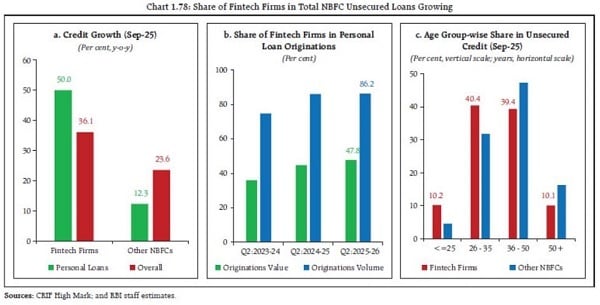
The Reserve Bank's April 2025 Acquisition Finance Directions and September 2025 fast-track merger amendments have created structural gaps that lock out roughly 95 percent of Indian fintech startups from bank-financed acquisitions, forcing pre-profit high-growth firms toward costlier venture debt and private credit with restrictive covenants [Quelle: TaxGuru]. The acquisition finance framework restricts eligibility to listed companies with three years of profitability, while fast-track mergers exclude listed transferors and NBFCs despite fintechs originating 47.8 percent of personal loan volume by value in Q2 2025–26. Recent deals like BharatPe's acquisition of Trillion Loans prove consolidation demand remains strong despite these constraints.
Risk-calibrated eligibility models modeled on Singapore's framework could expand access to 65 percent of fintechs within quarters.
FTC wins $4M auto-dealer junk-fee settlement
Deceptive financing practices have consequences now.
The Federal Trade Commission and Connecticut Attorney General William Tong secured a $4 million settlement with Manchester City Nissan over two years of allegations that the dealership charged undisclosed inspection fees, inserted add-on charges like GAP insurance into financing agreements without informed consent, and overstated government fees in closing documents [Quelle: Consumer Finance Services Law Monitor]. The settlement requires the dealership to disclose maximum vehicle prices prominently and obtain express consent before adding any financing charges. The FTC cited this win as part of its broader Combating Auto Retail Scams Rule and ongoing enforcement priorities around price transparency.
State attorneys general are now co-plaintiffs; expect more dealership settlements to follow.
 FTC and Connecticut Secure $4 Million Settlement with Manchester ...9 hours ago ... Consumer Financial Services Law Monitor. Monitoring the financial services industry to help companies navigate through regulatory compliance, enforcement, and ...consumerfinancialserviceslawmonitor.com
 Airwallex expands to autonomous finance—though still 'not the best ...4 hours ago ... ... startup got in December, when it raised $330 million in another Addition-led funding round. CEO Jack Zhang, in a statement at the time, said the money would ...fortune.com
 Banking-Fintech M&A: Innovation vs Systemic Stability - TaxGuru12 hours ago ... The acquisition of Goals101 by M2P illustrates how fintech consolidation increasingly relies on private funding structures rather than conventional bank ...taxguru.in