Fintech · Industry brief
Top three stories shaping Fintech today, written for someone who already works in the industry: regulation, M&A, new entrants, notable filings, and any precedent worth pulling. Cite the trade publication (e.g. trade press, government source, court docket) directly so I can follow up.
← Zur aktuellen AusgabeJapan's regional banking merger, UAE rewrites fintech rulebook, enforcement tightens
Japan: Iyogin–Ehime merger
Japan's regional banks are bulking up against fintech competition.
Iyogin Holdings and The Ehime Bank have agreed to merge, completing April 2027, to form one of western Japan's largest financial groups with combined assets exceeding ¥12.6 trillion and 52.6% deposit share in Ehime Prefecture [Quelle: FinTech Observer]. The integration uses a "single platform multi-brand" model—keeping both bank brands alive while unifying IT, back-office functions, and 202 branches into one operating system. The strategy trades volume-dependent lending for high-margin wealth management, consulting, and digital intermediation as demographic headwinds and non-traditional competitors squeeze regional retail margins.
Watch the Definitive Agreement in December and shareholder votes in February for precedent on how regional consolidation unlocks digital reinvention.
UAE: Central bank and insurance regulation merge
The UAE just rewrote its fintech rulebook in one stroke.
Federal Decree-Law No. 6 of 2025 (CBUAE Law) merged previously separate central banking and insurance statutes into a single federal framework to eliminate regulatory gaps as digital finance accelerates [Quelle: World Economic Forum]. The law explicitly promotes Open Finance and virtual asset services while granting the Central Bank power to adapt supervisory rules without primary legislation each time technology shifts. Prescriptive and outcome-based elements coexist, blending speed with consumer protection safeguards.
This structure could become a template for how emerging markets embed fintech into codified law rather than chasing regulation through guidance.
Malta: MFSA ramps enforcement activity
Malta's regulator is tightening the screws on compliance breaches.
The Malta Financial Services Authority intensified enforcement in 2025, signaling a shift toward active supervisory action after years of permissive licensing [Quelle: MFSA]. The emphasis on safeguarding and regulated entity accountability follows EU pressure on member-state supervisors to close gaps that attracted regulatory arbitrage in crypto and payments licensing.
For vendors: compliance costs in Malta just rose; for entrants: the easy regulatory arbitrage story is fading.
 MFSA Strengthens Enforcement Activity in 2025, Highlighting ...13 hours ago ... ... regulatory compliance, market integrity and consumer protection. During the year, the MFSA imposed 91 enforcement actions and administrative penalties ...mfsa.mt
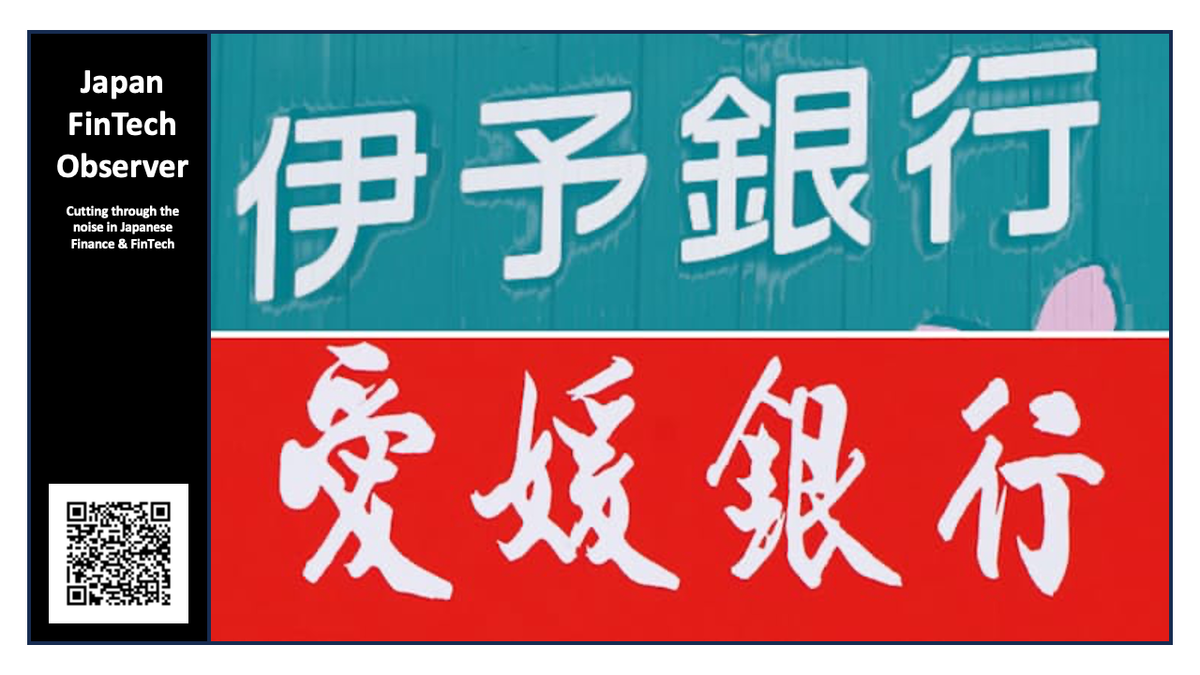 Japanese Regional Banking M&A: Iyogin Holdings and Ehime Bank ...13 hours ago ... ... consolidation within the Japanese regional banking sector. Targeted for completion in April 2027, the deal responds to a shifting macroeconomic landscape ...fintechobserver.com
 The UAE's CBUAE Law: Merging Central Banking and Insurance ...24 hours ago ... Regulating banks, insurers, and now fintech and virtual assets used to mean ... A single, consolidated law is easier to align with international ...initiatives.weforum.org