Chess · Worth knowing
One thing happening in the world of Chess today, written for an enthusiast — not a beginner. Skip celebrity gossip. Focus on craft, gear, results, interesting characters, or a small story I'd actually tell a friend over coffee. Quality over quantity.
← See today's latestSinquefield heats up; Fischer Random's future reimagined
Sinquefield Cup Round 7
The tournament tightens as the halfway point nears.
Round 7 of the 2026 Sinquefield Cup produced mostly draws—Wesley So held against Anish Giri, Levon Aronian drew with Maxime Vachier-Lagrave, and Jorden van Foreest split the point with Samuel Sevian—but Vincent Keymer broke through with a win over Javokhir Sindarov, keeping pressure on the leaders [Quelle: ChessBase]. In the Grand Chess Tour standings, Fabiano Caruana now leads with 25 points, R Praggnanandhaa sits at 24.5, and Wesley So holds 23.5—a sharp reversal from the round-five lead So was nursing two days ago. The remaining three rounds will punish patience.
Grand Chess Tour Finals spots are still up for grabs.
Mikhail Botvinnik turns 115
Today marks the birthday of chess's scientific pioneer.
Mikhail Botvinnik, the sixth World Chess Champion, was born August 17, 1911, and held the crown for 12 years and 11 months between 1948 and 1963 [Quelle: FIDE]. Botvinnik was the first to treat chess as a science rather than an art, systematizing opening preparation and endgame technique in ways that shaped every champion who followed. His influence runs through modern computer analysis itself.
Every rigorous player owes him a debt.
Chess960's future being debated
Bobby Fischer's anti-prep variant is now serious business.
Chess960, or Fischer Random Chess, was designed to strip away opening memorization and force genuine thinking from move one, randomizing all piece positions except pawns while keeping kings between rooks and bishops on opposite colors [Quelle: ChessBase]. The format has exploded in popularity—sponsors fund World Championships, the variant offers 960 possible starting positions compared to traditional chess's single setup, and spectators have even suggested hybrid models where ten pre-arranged positions let players prepare minimally while staying unpredictable. ChessBase now explores potential rule tweaks and how the game should evolve as it goes mainstream.
The format's future shapes how the next generation learns to think.
Woodward's Classical Dragon deep dive
A new ChessBase series unpacks the Sicilian Dragon opening.
British GM Chris Ward launches "The Monthly Dragon" with a detailed look at an unconventional Classical Dragon line where White plays the bishop to e2 instead of the typical Yugoslav Attack setup, creating fresh strategic and tactical terrain [Quelle: ChessBase]. The analysis examines a game between GM Vasif Durarbayli (2611) and Andy Woodward (2638), with Ward identifying moments where Black could have improved with Rxc3 but ultimately Woodward seized the initiative. Ward draws on decades of Dragon mastery from his books and videos to explore the newest tactical ideas in one of Black's most popular fighting weapons.
Opening theory's most durable sidelines are still yielding innovation.
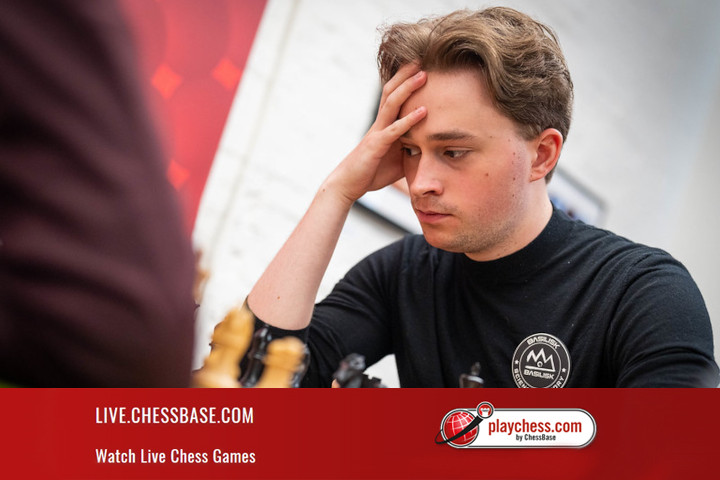 Sinquefield Cup - Live! - ChessBase3 hours ago ... The Sinquefield Cup, the fifth leg of the 2026 Grand Chess Tour, is being held at the renowned Saint Louis Chess Club from 10 to 20 August. The tournament is a ...en.chessbase.com
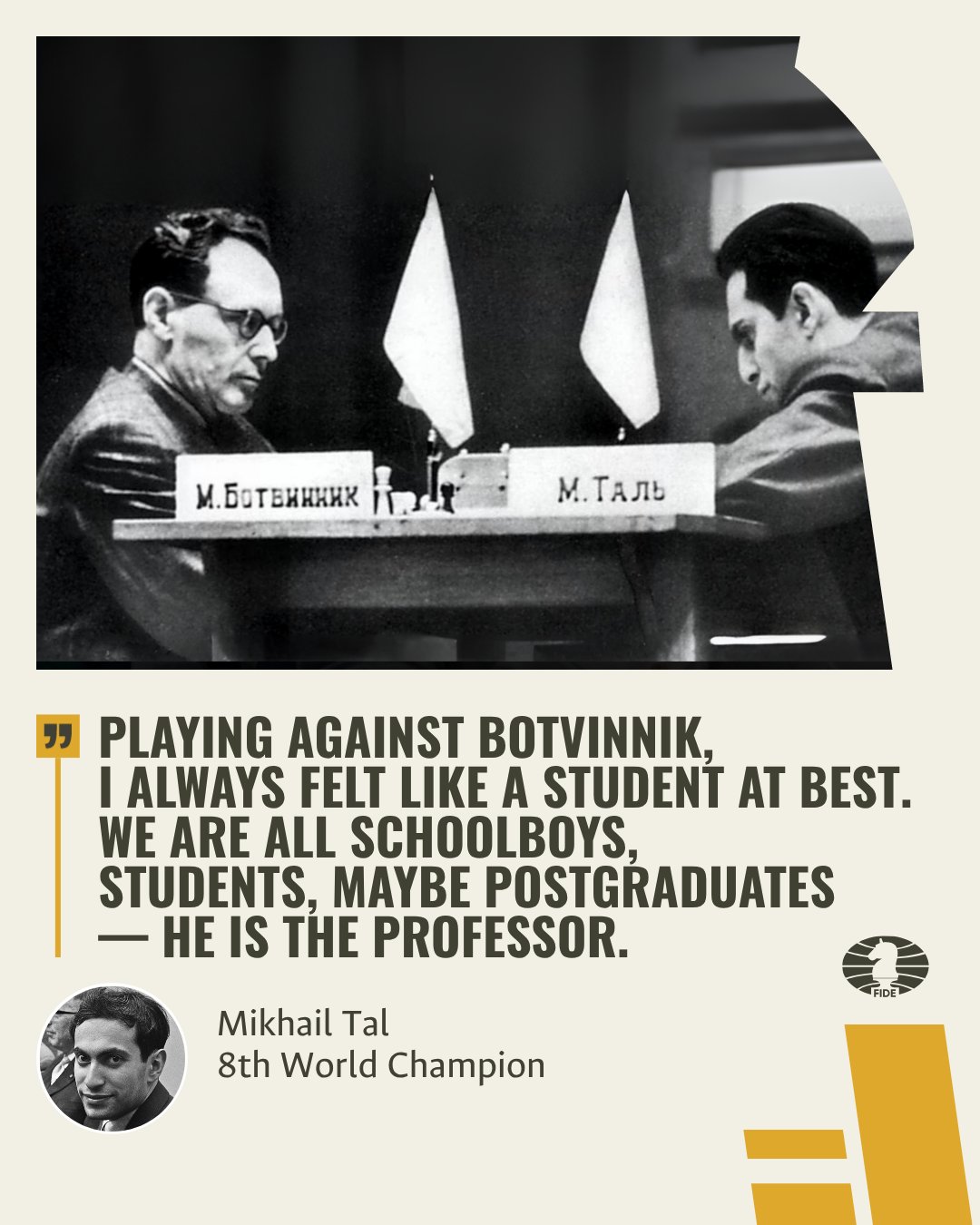 Celebrating the legacy of Mikhail Botvinnik, the 6th World Chess ...3 hours ago ... He meticulously studied opening theory, analyzed his opponents' weaknesses, and prepared specific strategies for each match. His ability to predict and prepare ...facebook.com
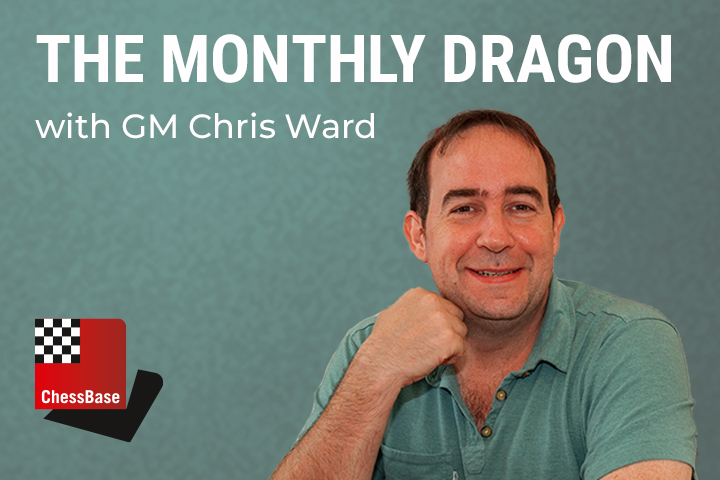 Woodward's Unusual Classical Dragon - The Monthly Dragon8 hours ago ... Shop · Home · OPENINGS A-Z; Support. CB Magazine · Support-Center · Download · Newsletter · Learn chess ... tactics, plans and development of this fascinating ...en.chessbase.com
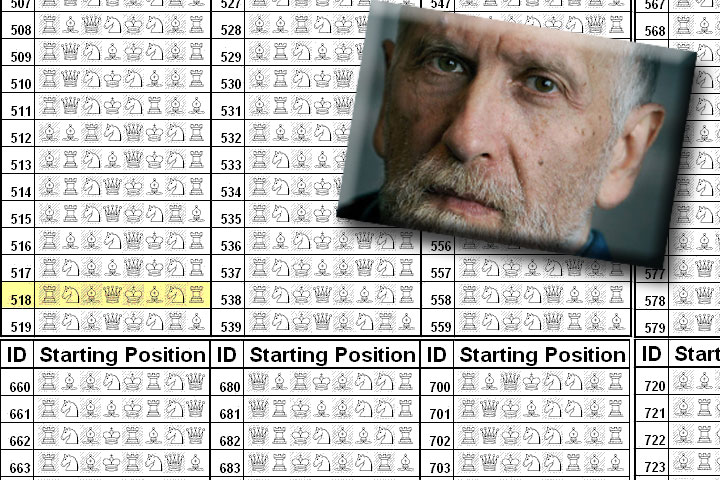 Quo vadis, Fischer Random Chess? (1) - ChessBase13 hours ago ... ... Opening Encyclopaedia covers the entire opening theory on one product. ... chess principles, work out strategies, calculate the consequences of their moves.en.chessbase.com