Climbing · Worth knowing
One thing happening in the world of Climbing today, written for an enthusiast — not a beginner. Skip celebrity gossip. Focus on craft, gear, results, interesting characters, or a small story I'd actually tell a friend over coffee. Quality over quantity.
← Zur aktuellen AusgabePara climbers surge; helmets ranked; fear of falling backfires
Belgian para climbers shine
Belgium's para team posted strong results in Laval.
Pavitra Vandenhoven claimed bronze in Combined AL1 while Frederik Leys advanced to the finals in his category at the World Climbing Para Series [Quelle: Belgian Climbing Team]. Continuing the Laval surge, smaller nations are now placing consistently across multiple classifications—a sign that para climbing infrastructure is filtering deeper than just the traditional powerhouses.
Depth like this reshapes who dominates next season.
Fall training's hidden trap
Fall practice doesn't always cure fear of falling.
Prescribed as standard fear-management medicine in climbing, exposure training backfired for one climber—a cautionary tale climbing magazines rarely document [Quelle: Climbing Magazine]. The story suggests that one-size-fits-all protocols miss individual trauma histories and nervous-system responses. Psychology matters as much as mechanics.
Expect more nuance in how coaches now structure confidence work.
Helmet buying decoded
Climbing helmets span $75 to $170 with wildly different trade-offs.
Black Diamond Vision ($120, 7.6 oz) balances weight, durability, and price for most climbers, while the Petzl Boreo ($75, 10.6 oz) offers maximum durability on a budget and the Petzl Sirocco ($170, 5.6 oz) saves ounces for alpine routes at the cost of fragility [Quelle: Switchback Travel]. Foam type (EPP absorbs impacts, EPS fractures), shell material (ABS outlasts polycarbonate but weighs more), and MIPS technology ($40–60 premium for rotational protection) determine real-world performance across cragging angles and ski touring.
Retire any helmet after significant impact or at ten years from manufacture.
 Belgian paraclimbers' strong results at World Climbing Para Series ...9 hours ago ... Camille Caulier- Bronze (RP3) Camille climbed his first big competition and instantly brought home a bronze medal, placing third out of 15 climbers in the ...facebook.com
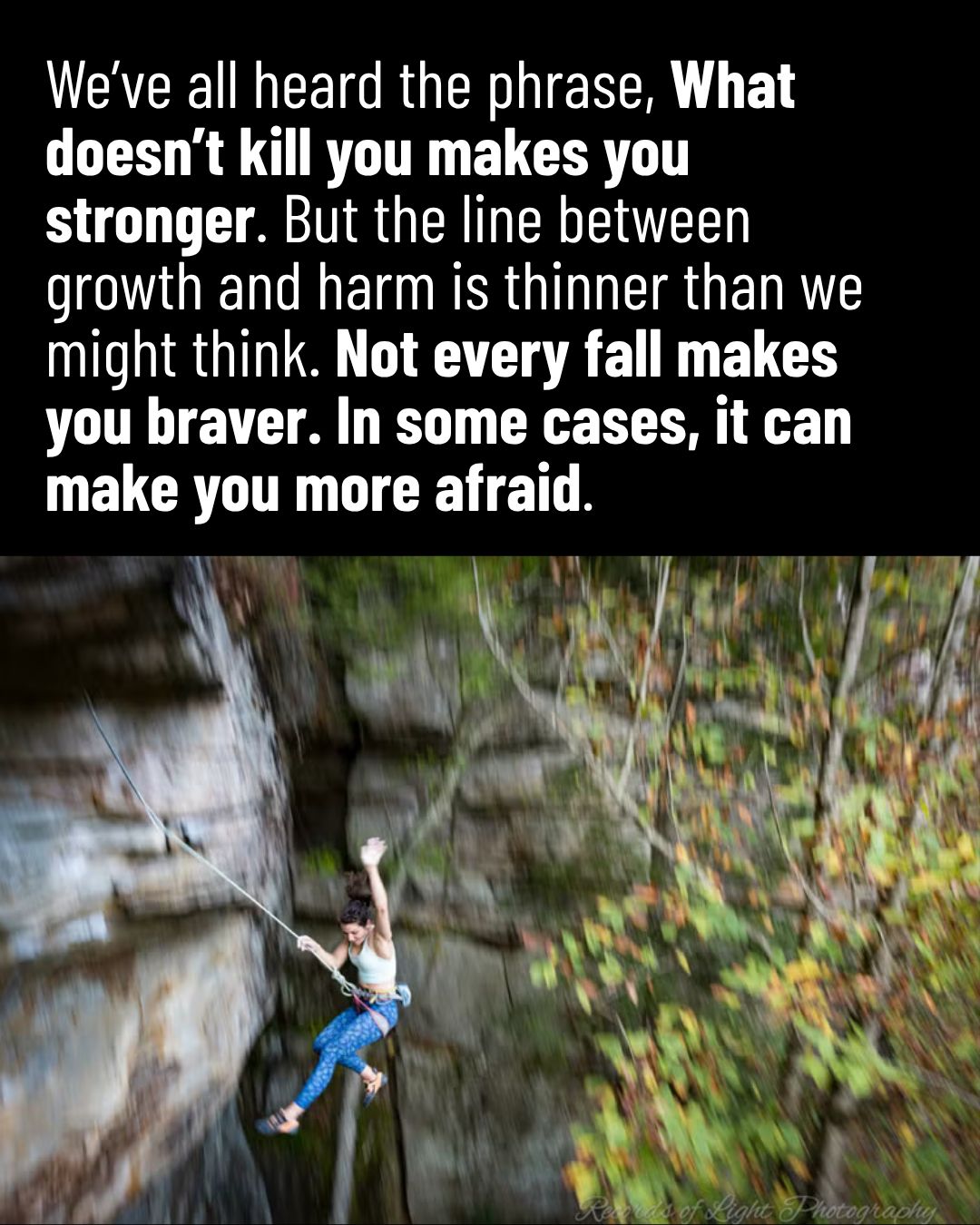 Fall practice in climbing is frequently prescribed training technique ...10 hours ago ... ... injuries after failing to clip into an auto belay in a climbing gym. Upon ... Overcoming the Fear of Falling — A Scientific Approach. Christopher ...facebook.com
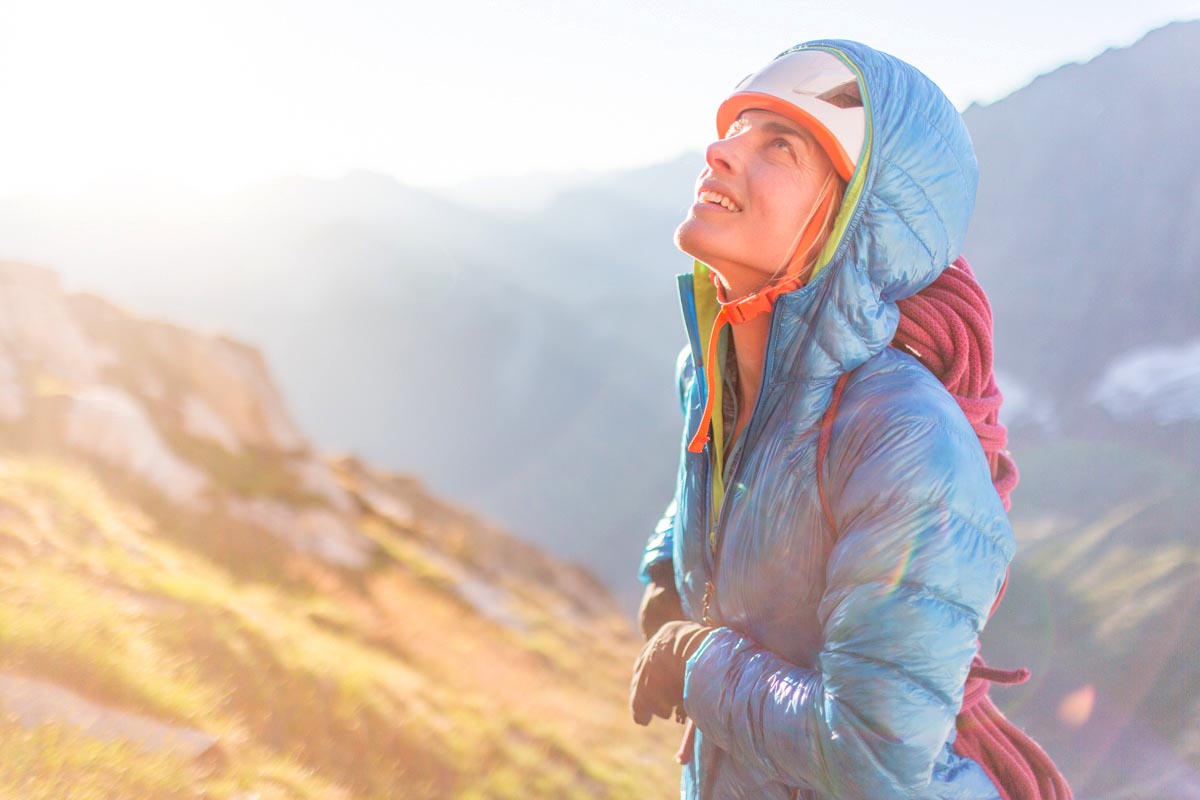 Best Climbing Helmets of 2026 | Switchback Tested6 hours ago ... Breadcrumb. / Home; / Climbing Gear Reviews; / Best Climbing Helmets of 2026. By ... As with most climbing equipment, your best bet for helmets is to try ...switchbacktravel.com