Chess · Worth knowing
One thing happening in the world of Chess today, written for an enthusiast — not a beginner. Skip celebrity gossip. Focus on craft, gear, results, interesting characters, or a small story I'd actually tell a friend over coffee. Quality over quantity.
← Zur aktuellen AusgabeBudapest hosts elite blitz revolution; Nimzo-Indian's enduring grip
Budapest World Championship Pilot
Chess just got a format overhaul.
The Total Chess World Championship Tour Pilot lands in Budapest November 10–21, bringing 24 elite players—including Magnus Carlsen, Fabiano Caruana, Vincent Keymer, Wesley So, and rising Indians Arjun Erigaisi and Praggnanandhaa—to compete across Fast Classical, Rapid, and Blitz in a single crucible [Quelle: ChessBase]. The format tests versatility: group-stage double round-robins in Fast Classical feed knockout brackets across all three time controls, crowning a FIDE World Combined Champion before the official multi-city tour launches in 2027. This pilot rewrites what it means to be the strongest player in the world.
The winner proves mastery, not specialization.
The Nimzo-Indian's Enduring Appeal
Black's bishop pin remains the opening of champions.
The Nimzo-Indian—1.d4 Nf6 2.c4 e6 3.Nc3 Bb4—disrupts White's coordination through immediate piece activity rather than pawn war, a weapon wielded by Carlsen, Kasparov, Karpov, and Fischer across more than a century [Quelle: 365Chess]. The main variations—Rubinstein (4.e3), Classical (4.Qc2), Samisch (4.a3), and Leningrad (4.Bg5)—each reward different strategic themes: targeting White's doubled pawns, controlling e4 with a knight, launching queenside counterplay, and converting endgame edges from pawn structure. Deep theory matters in main lines, but the opening separates itself by rewarding strategic understanding over memorization.
A century of precedent proves the position still has teeth.
The Stomach Gambit: Speed Traps
Coach Kasper's newest opening exploits blitz chaos.
The Stomach Gambit—1.e4 c5 2.d4 cxd4 3.Bg5—blends the Smith-Morra structure with tactics that snare impatient opponents in blitz and bullet, particularly when Black plays Qb6 and walks into Na3 traps sacrificing b2 [Quelle: YouTube]. In classical play, after 3...Nc6 4.c3, White regains the gambit pawn while maintaining a sharp center and rapid development. Kasper reports a 64 percent win rate in blitz against 2200–2400 players, suggesting the opening's tactical density rewards preparation in speed formats more than classical chess.
One player's blitz weapon is another's cautionary tale.
 Nimzo-Indian Defense: Complete Guide & Variations - 365Chess.com5 hours ago ... The Nimzo-Indian Defense is one of the most respected and theoretically rich chess openings for Black. ... Deep theory in the main lines - particularly the ...365chess.com
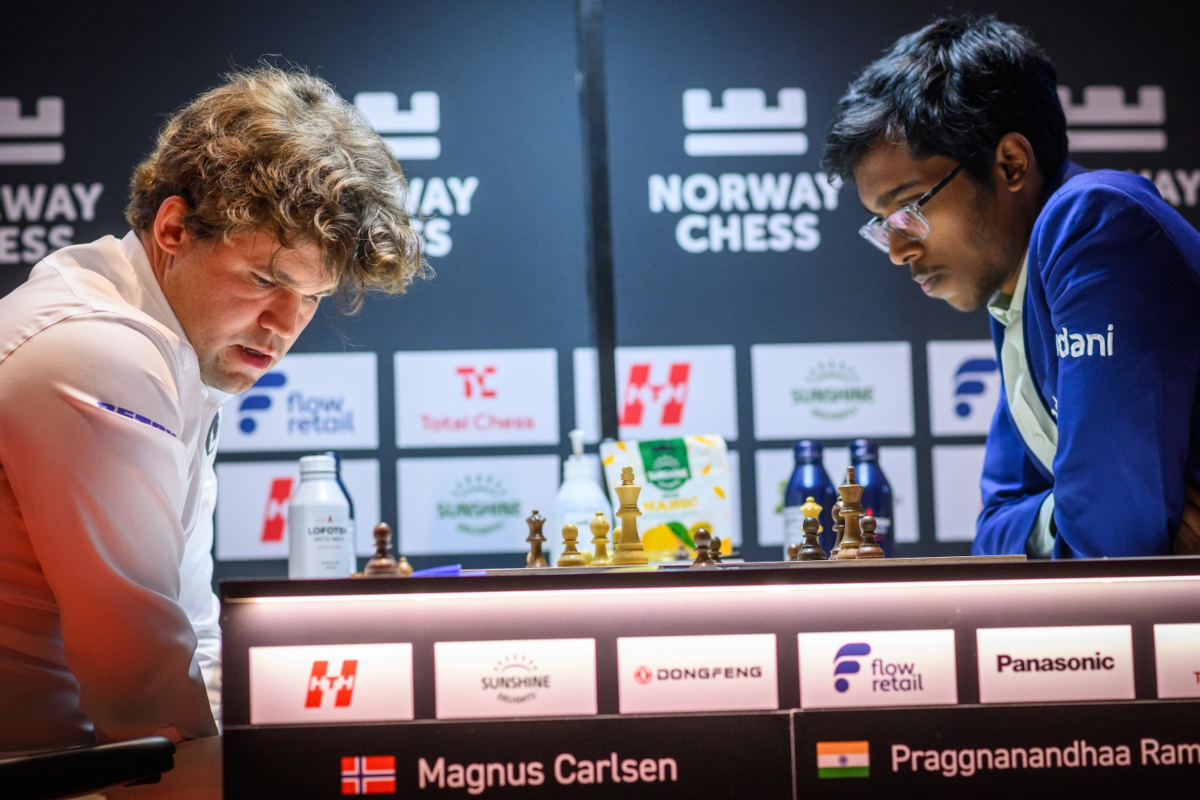 Chess stars set for Total Chess World Championship Tour pilot in ...17 hours ago ... Opening specialists present the latest trends in opening theory and exciting ideas for your repertoire. ... Depending on their intended use, analysis cookies and ...en.chessbase.com
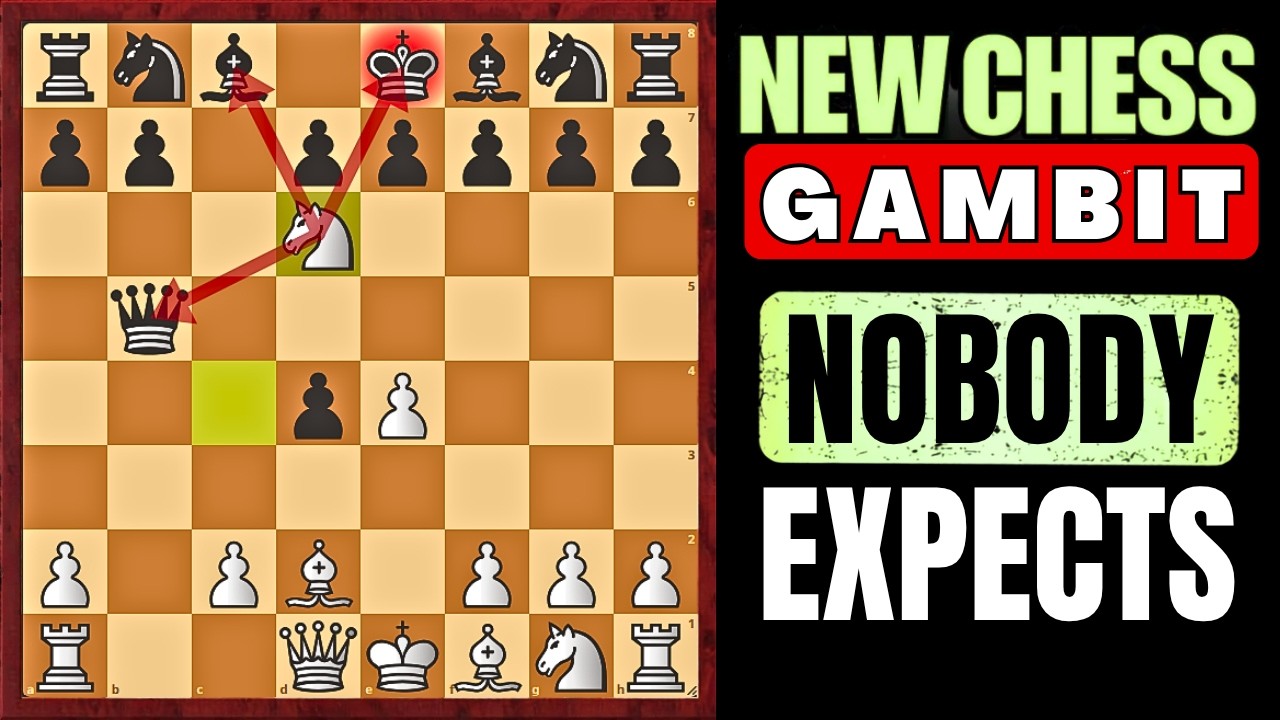 A NEW CRAZY GAMBIT TO CRUSH EVERYTHING, c5! IT LOOKS ...6 hours ago ... ... KaspaChess Bot ✓ Analyze games and PGN files ✓ Study openings with interactive boards ... And It's THEORY?! Will Taylor Chess. New. 110K views · 12:28. Go to ...youtube.com