Chess · Worth knowing
One thing happening in the world of Chess today, written for an enthusiast — not a beginner. Skip celebrity gossip. Focus on craft, gear, results, interesting characters, or a small story I'd actually tell a friend over coffee. Quality over quantity.
← Zur aktuellen AusgabeAssaubayeva locks Stuttgart; Saint Louis wraps
Women's Tour: Assaubayeva ascends
Bibisara Assaubayeva has clinched the Grand Final.
The Kazakhstani won Saint-Tropez's rapid tournament and fought through the blitz bracket to secure one of the last two Stuttgart spots alongside Anna Muzychuk [Quelle: ChessBase]. Elisabeth Paehtz came tantalizingly close—she held a 1½–½ lead in the blitz semifinals against Assaubayeva before overlooking a hanging rook on move 33, losing the Armageddon decider that would have sent her through. The November Grand Final in Stuttgart now features the field's sharpest finishers.
Watch for Paehtz's revenge arc.
Saint Louis: Champion crowned
The Grand Chess Tour Finals conclude today in Saint Louis.
Following yesterday's semifinal blitz rounds, one of Praggnanandhaa or Fabiano Caruana will claim the 2026 title in the championship match [Quelle: ChessBase]. Both players have now battled three weeks of attrition across classical, rapid, and blitz—a gauntlet that transforms sharp players into blunderers. The knockout format compressed the entire tournament into a single week, forcing competitors to manage fatigue across 90-minute classical games, 25-minute rapids, and 5-minute blitz rounds in each match.
Exhaustion decides the crown.
Craft: Online mastery vs. classical grind
A 300-point rating gap tells two different chess stories.
Alex—a Fide Master with a 2746 rapid rating—represents elite online platform dominance across blitz and speed formats, yet carries a classical rating around 1500, revealing how modern players can build world-class speed without tournament classical depth [Quelle: Genius2Play]. By contrast, Magnus Carlsen's consistency across all formats reflects the classical tournament pathway—the traditional arc that built his world championship. Meanwhile, another player's five-year journey from intermediate (1600) to Fide Master illustrates how deliberate training through chess.com matches, tournament play, engine analysis, and endgame study remains the accessible blueprint for aspiring masters [Quelle: Genius2Play]. Format specialization now splits elite chess into distinct tribes.
The rating hierarchy no longer assumes one path upward.
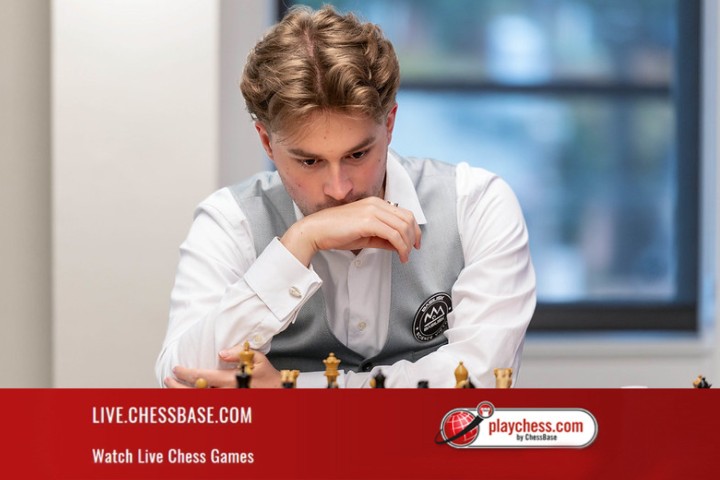 Grand Chess Tour Finals - Live! - ChessBase5 hours ago ... The 2026 Grand Chess Tour reaches its concluding event this weekend, with the four highest-ranked full-tour players competing in the GCT Finals at the Saint ...en.chessbase.com
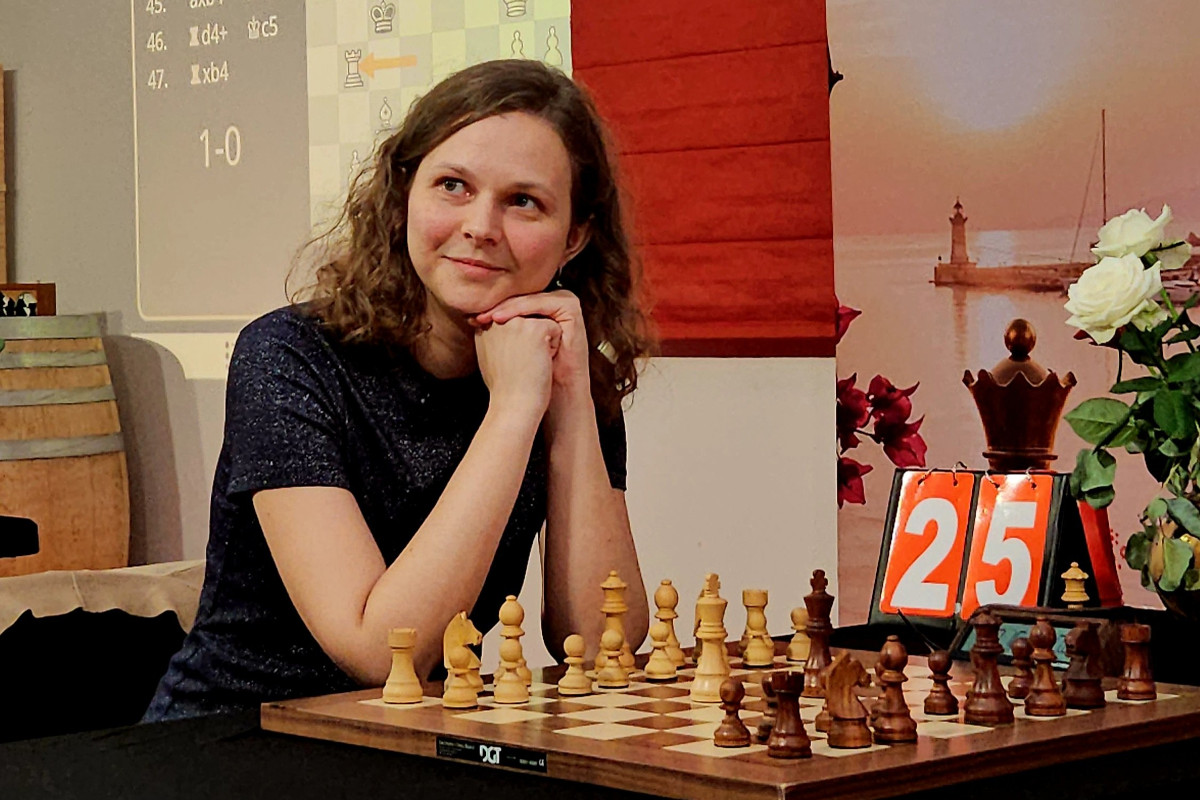 WR Women's Chess Tour 2026: Anna Muzychuk prevails in blitz ...8 hours ago ... After the blitz and rapid results were combined, it was clear that Assaubayeva had secured a place in the final tournament of the 2026 WR Women's Tour in ...en.chessbase.com
 300-Point Difference: Alex Against Magnus Carlsen Explained18 hours ago ... Magnus Carlsen's documented career trajectory represents classical tournament chess specialization, with world championship competition, elite classical ...genius2play.com
 Hand's 5-Year Path to Fide Master Strength Explained - Genius2Play18 hours ago ... Discover how Hand transformed from intermediate player to Fide Master through 5 years of dedicated tournament play and chess.com competition. Read it now.genius2play.com