AI product management · Industry brief
Top three stories shaping AI product management today, written for someone who already works in the industry: regulation, M&A, new entrants, notable filings, and any precedent worth pulling. Cite the trade publication (e.g. trade press, government source, court docket) directly so I can follow up.
← Zur aktuellen AusgabeSingapore's AI mandate looms; governance becomes compliance infrastructure
Singapore MAS AI mandate
Singapore just set the global compliance clock.
The Monetary Authority of Singapore released AI Risk Management Guidelines on October 7, 2026, applying to all financial institutions with two hard deadlines: board oversight and AI inventory due October 2027, full lifecycle controls by October 2028 [Quelle: LinkedIn]. The framework covers traditional AI, generative AI, and agents—and it maps closely to ISO/IEC 42001:2023, the first certifiable AI management standard, though MAS adds teeth with quantitative risk appetite measures, shadow AI inventory, independent validation for high-risk systems, and kill switches.
US-based finance teams serving EU markets now juggle three frameworks simultaneously.
Compliance gains AI steering role
Compliance is moving from checkbox to cockpit.
The 2026 NAVEX State of Risk & Compliance survey shows 71% of compliance teams now sit on AI governance decisions, with 49% already using AI for risk scoring and 45% for training [Quelle: NAVEX]. Cross-functional collaboration between compliance, risk, legal, and IT now determines whether AI adoption succeeds or limps—technology alone fails. Sixty-one percent of organizations plan AI-powered ethics training investments over the next year, signaling governance as operating infrastructure, not policy layer.
Watch whether product roadmaps start reporting directly to Chief Compliance Officers.
Agent governance remains chaotic
Most companies still don't know how to govern agents.
A new report from Radical Compliance finds significant governance gaps as enterprise deployment accelerates, particularly around operational boundaries and human oversight rationale [Quelle: Radical Compliance]. Traditional model risk frameworks treat agents as static systems; they're not. The Deloitte finance webcast this month emphasized that auditors now demand documented control boundaries and escalation paths for agentic workflows—not just model cards [Quelle: AI Governance].
Finance teams without certified governance systems face elevated examination risk within 12 months.
AI M&A pace accelerates
Consolidation is filling the governance gap faster than build.
Bay Area startups captured one-third of US venture acquisitions in Q3 2026, with 15 AI deals spanning workload management, model optimization, and agent infrastructure [Quelle: SFBizJournal]. Continuing the pattern from two days ago, vertical AI acquirers are moving faster than generalists—legal tech, customer service, and software development teams use M&A to backfill compliance and governance capabilities into production systems.
Expect valuation multiples to tighten around how well targets document their control planes.
 Report: AI Agent Governance a Hot Mess - Radical Compliance5 hours ago ... A new report finds that a significant number of companies are struggling to govern AI agents effectively. Let's consider some reasons why.radicalcompliance.com
 Deloitte Finance Webcast Frames ISO 42001 and EU AI Act as…15 hours ago ... Deloitte published AI compliance and governance frameworks for finance leaders, a practitioner-focused webcast directed at finance and risk executives.aigovernance.com
 Vineet Sinha's Post - LinkedIn22 hours ago ... MAS has set the clock. Is your AI governance ready? ⏱️ On 7 October 2026 ... news: much of what MAS expects maps closely to ISO/IEC 42001:2023, the ...linkedin.com
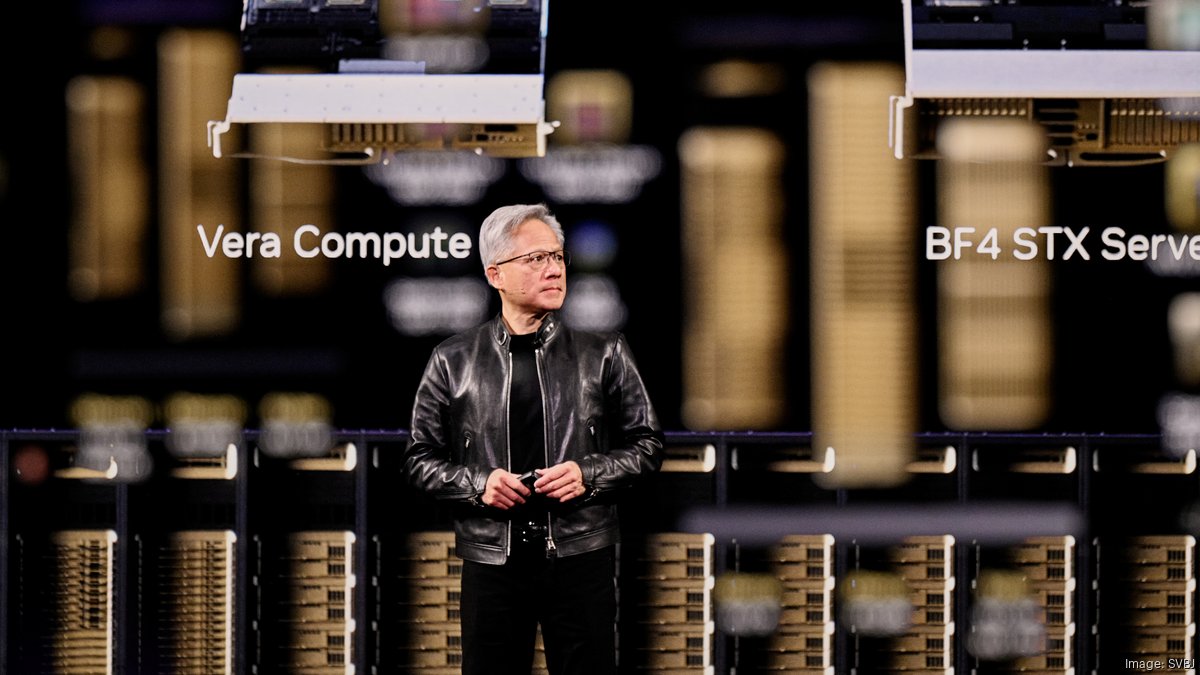 Bay Area captures one-third of U.S. startup acquisitions11 hours ago ... Bay Area tech M&A dominates Q3 venture ... Fifteen of the more recent deals involved AI companies working in areas including workload management, model ...bizjournals.com