Real estate · Industry brief
Top three stories shaping Real estate today, written for someone who already works in the industry: regulation, M&A, new entrants, notable filings, and any precedent worth pulling. Cite the trade publication (e.g. trade press, government source, court docket) directly so I can follow up.
← See today's latestSenior living M&A explodes, investor flows shift to apartments, Malaysia's retail consolidates
Australia senior living M&A surge
Australia's aged care and retirement villages are primed for a consolidation wave.
The $150 billion sector spans roughly 480,000 units with the top five operators controlling less than 20% of the market, signaling major room for M&A [Quelle: Elite Agent]. Transaction volumes have jumped to 5–10% of annual commercial real estate deals since 2021, driven by regulatory clarity from Australia's Aged Care Act and retirement village reforms. The supply-demand gap is widening fast: new stock grows at just 0.7–1.7% annually while demand is forecast to climb 4% as the over-65 population expands from 4.75 million to 7 million by 2040.
Expect larger cross-segment operators to emerge through M&A rather than greenfield build.
Australian investors pivot to apartments
Tax and superannuation rule changes are reshaping Australian capital flows.
Investor interest has shifted sharply toward apartments and commercial property as federal policy recalibrates [Quelle: TickerNews]. Apartments now offer superior yields, with 242 unit markets delivering 5% or higher compared to just 48 house markets, while commercial property attracts capital seeking higher net yields and long-term tenant leases. Cities like Brisbane, Adelaide, and Perth are seeing apartments treated as viable alternatives to houses for owner-occupiers, with capital growth outperforming traditional detached housing.
Watch which secondary markets see the sharpest capital concentration next.
Malaysia's suburban retail attracts REITs
Malaysian institutional capital is clustering in suburban retail malls.
Real Estate Investment Trusts are acquiring neighbourhood shopping centers in Petaling Jaya, Wangsa Maju, and Klang, reflecting investor preference for predictable income streams and lower tourism volatility versus city-center assets [Quelle: Real Estate Asia]. Transaction activity spans both REIT sponsor asset injections and third-party acquisitions, with the development pipeline similarly tilting toward suburban mixed-use and transit-oriented projects connected to MRT networks. The shift mirrors institutional appetite we're tracking across Asia for defensive, income-generating retail outside volatile urban cores.
Track which REIT sponsors execute the largest acquisitions in the next two quarters.
 Australian senior living investment: $1.1m homes reshape demand8 hours ago ... ... transactions, according to new CBRE research that points to significant room for consolidation. ... consolidation runways in Australian real estate,” Sameer said.eliteagent.com
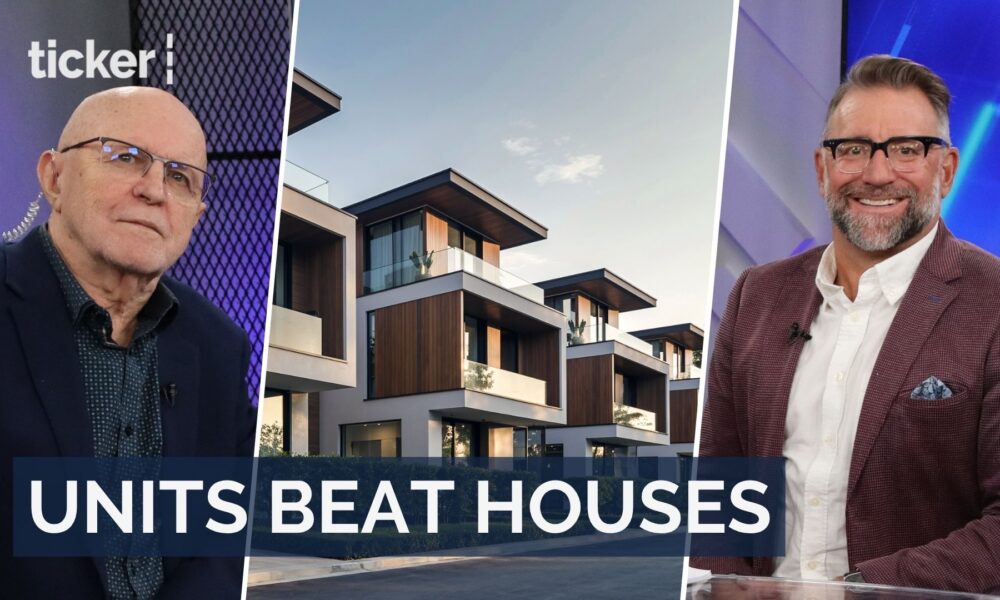 Investor interest shifts to apartments and commercial property10 hours ago ... Investors shift focus to apartments and commercial real estate amid federal tax changes, says expert Michael Wilkins.tickernews.co
 Malaysia suburban retail attracts institutional capital as domestic ...7 hours ago ... The property consultancy said robust GDP growth, led by the services sector, along with labour market stability and improving minimum wages, has supported ...realestateasia.com