Real estate · Industry brief
Top three stories shaping Real estate today, written for someone who already works in the industry: regulation, M&A, new entrants, notable filings, and any precedent worth pulling. Cite the trade publication (e.g. trade press, government source, court docket) directly so I can follow up.
← See today's latestTransparency boom reshapes capital flows, Asia surges ahead
Transparency drives transaction surge
Transparent markets are now capturing the bulk of global real estate capital.
JLL's 2026 Global Real Estate Transparency Index, released September 14, shows transaction volumes in highly transparent markets jumped 64% over two years and now represent 56% of all income-producing real estate and over 80% of direct investment [Quelle: JLL]. The UK, France, and Australia anchor the top tier, but regulatory reforms in Asia-Pacific and MENA are rapidly attracting private wealth and institutional capital seeking standardized reporting and predictable valuations.
Capital concentration in transparent markets will accelerate deal velocity there while starving less transparent regions.
Asia-Pacific digitization unlocks capital
India and Vietnam are rewriting the regional capital playbook.
Government reforms and digitization in Asia-Pacific markets are driving all-time highs in direct transaction volumes, with India and Vietnam combining for $12 billion in direct deals over two years [Quelle: JLL]. This acceleration extends beyond traditional office and residential—alternative sectors like data centers and infrastructure now account for 20% of direct transaction volumes globally, double their share from a decade ago. Over 90% of occupiers and investors are now deploying AI tools for market analysis, standardizing due diligence and compressing information asymmetries that previously favored local operators.
Watch which Indian family offices and global sponsors now compete most aggressively on emerging-asset acquisitions.
Regulatory clarity unlocks alternatives
Alternative real estate is becoming institutional standard, not speculative play.
Regulatory improvements in debt markets and alternative sectors are accelerating globally, with data centers, infrastructure, and logistics now attracting the same institutional scrutiny previously reserved for stabilized office and retail [Quelle: JLL]. Saudi Arabia, Dubai, Abu Dhabi, and India rank among top improvers despite regional disruption, signaling that clear rules attract capital regardless of macro headwinds. Pension funds and retail investors increasingly demand standardized ESG and valuation reporting, pushing alternatives out of specialist channels and into mainstream portfolios.
Expect alternative sector valuations to compress toward core yields as regulatory transparency democratizes deal access.
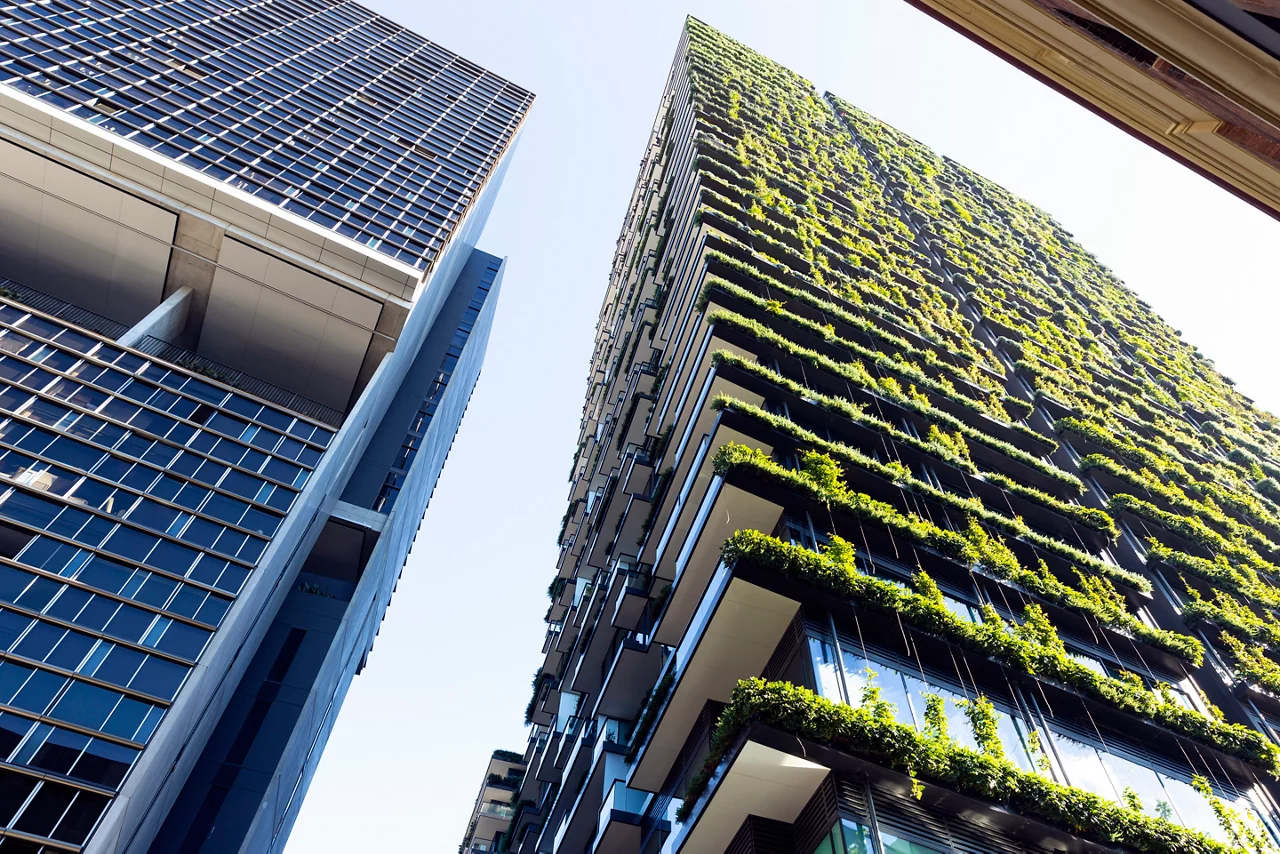 Transparency is a key factor in global real estate investment growth19 hours ago ... At the same time, regulatory changes are bringing an influx of private ... records, providing real-time, disaggregated and publicly accessible property data.jll.com
 Global real estate transparency index 2026 - JLL11 hours ago ... Highly transparent markets consolidate their lead. The most ... Capital MarketsFinancial servicesHotels and hospitalityFuture of real estateGlobal.jll.com