Signing you in...

Please wait while we verify your authentication

Article · Tuesday, October 13, 2026

HR and future of work · Industry brief

Top three stories shaping HR and future of work today, written for someone who already works in the industry: regulation, M&A, new entrants, notable filings, and any precedent worth pulling. Cite the trade publication (e.g. trade press, government source, court docket) directly so I can follow up.

By Marius BongartsBusiness97 editions
← See today's latest
Editions
12 / 97
Generated by AI overnight from public sources, refreshed daily.
HR and future of work · Industry brief
Tuesday, October 13, 2026
HR and future of work · Industry brief

California stay-or-pay relief, NLRB backs employers, AI rules tighten

2 min read

California stay-or-pay exemptions

California just handed employers a lifeline on clawback rules.

Governor Newsom signed AB 1697 on September 30, delaying the stay-or-pay law's effective date to January 1, 2027, and carving out critical exceptions [Quelle: Epstein Becker Green]. Financial services firms can now repay discretionary payments with interest capped at the IRS rate, and all employers can recover advances of up to 40 hours of PTO when workers leave voluntarily. Bonus timing rules also loosened—sign-on and retention bonuses no longer need to arrive at hiring. Workers retain private right of action with damages or $5,000 per plaintiff plus attorney fees.

Document your bonus agreements before year-end.

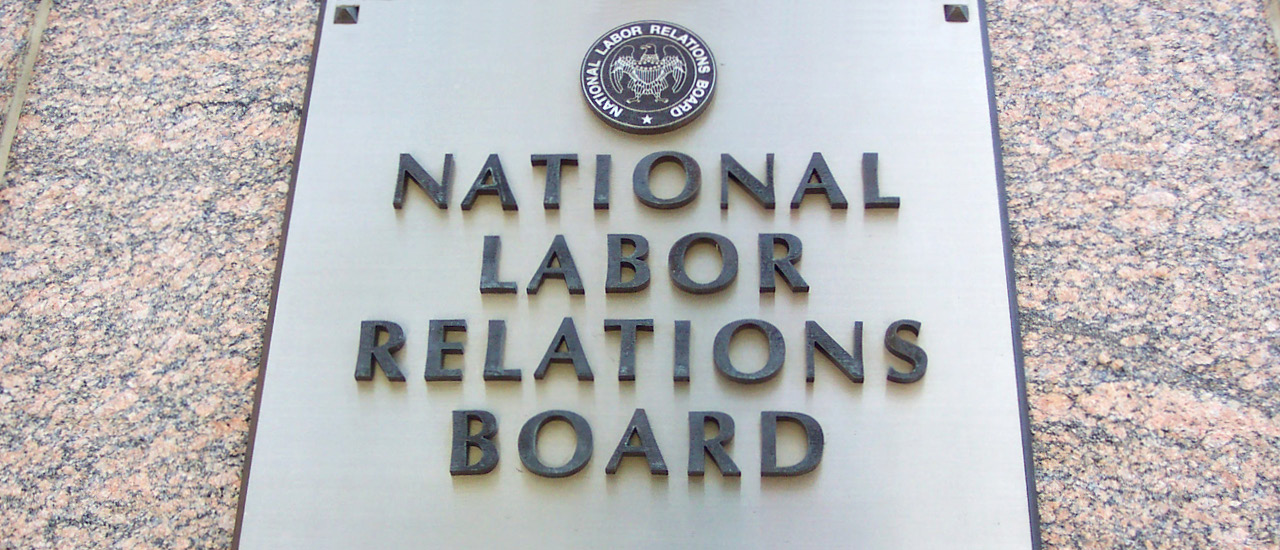
NLRB restores Wright Line discipline test

The NLRB just made union discipline claims harder to win.

On September 23, the board reversed course in Lion Elastomers LLC, restoring the Wright Line standard for evaluating employer discipline during protected union activity [Quelle: Connecticut Business & Industry Association]. Under Wright Line, employers now only need show they would have disciplined the same conduct regardless of protected activity—the burden flips to employees to prove union organizing was a motivating factor. This gives supervisors latitude to enforce conduct policies consistently without contextual second-guessing.

Review and standardize your discipline matrix now.

California AI and surveillance crackdown lands January 1

California is locking down AI hiring, discipline, and employee monitoring in one regulatory sweep.

Four laws take effect January 1, 2027, with teeth [Quelle: Inside Jobs Blog]. SB 947 requires human corroboration before any AI-driven termination or discipline; SB 951 mandates disclosure when automation triggers mass layoffs; AB 1883 bans AI tools inferring emotional state or collecting neural data; AB 1331 restricts bathroom surveillance. Violations carry civil penalties up to $500 per incident enforced by the Labor Commissioner. AB 1803 also mandates anti-hate-speech training alongside harassment prevention, while AB 2495 expands retaliation protections for immigration-related practices.

Audit your performance management and separation workflows before spring.

Irish M&A: TUPE transfers inherit immigration liability

TUPE transfers in Ireland now carry hidden immigration penalties for both buyer and seller.

Under the Employment Permits Act 2024, liability for employing foreign nationals without valid permission transfers to the new employer in restructures [Quelle: Mondaq]. Both parties must file Transfer of Undertaking Forms with the Department for Enterprise within 14 days or risk permit invalidation. Criminal penalties reach €250,000 and up to ten years imprisonment on indictment for non-compliance. Buyers should seek warranties confirming all foreign nationals hold valid permits and demand indemnities for pre-completion violations.

Verify immigration compliance in every Ireland deal starting now.
Sources
California's Clawback (Stay-or-Pay) Law - Epstein Becker Green
15 hours ago ... Employment, Labor & Workforce Management · Los Angeles · 310-557-9531 · ichiu@ebglaw.com. Services. Employment Compliance Counseling · Employment, Labor & ...
ebglaw.com
AI Summary

California Governor Gavin Newsom signed AB 1697 into law on September 30, 2026, amending the state's clawback (stay-or-pay) law to provide employers significant relief. The amendments delay the law's effective date to January 1, 2027, expand bonus timing flexibility by removing the "at outset of employment" requirement for sign-on, retention, and recruiting bonuses, create a new exception for financial services employees (securities broker-dealers, insurance providers, investment advisers) allowing full repayment of discretionary payments with interest capped at the IRS applicable federal rate, and permit employers to recover advances of up to 40 hours of PTO when employees voluntarily separate before earning the advanced leave. The law maintains enforcement mechanisms allowing workers to sue individually or as a class, with prevailing plaintiffs recovering the greater of actual damages or $5,000 per worker plus attorney fees. Source: Epstein Becker Green (EBG Law).

Visit source
NLRB Restores Employer-Friendly Standard for Workplace Outbursts
2 hours ago ... HR & Safety. The following article was first published in Shipman & Goodwin's Employment Law Letter. It is reposted here with permission. The National Labor ...
cbia.com
AI Summary

On September 23, 2026, the National Labor Relations Board restored the Wright Line standard in Lion Elastomers LLC, 375 NLRB No. 41, reversing a 2023 shift to a context-specific rule for evaluating employer discipline during protected union activities. Under Wright Line, employers now need only demonstrate that they would have imposed the same discipline regardless of the protected activity, rather than justify discipline against offensive conduct through contextual factors. This standard gives employers greater latitude to enforce workplace conduct policies consistently, with the burden shifting to employees to prove the protected activity was a motivating factor in discipline. Employers should review and clearly define conduct policies, enforce them consistently across all employees, train supervisors on Section 7 rights, and document disciplinary decisions with business justifications.

Visit source
California Update: New Employment Laws and Compliance ...
24 hours ago ... In light of these new AI and technology workplace laws, employers should promptly inventory the AI and surveillance tools used in their workforce management, ...
insidejobsblog.com
AI Summary

California enacted multiple employment law changes effective January 1, 2027, with significant implications for workforce management and compliance. SB 947 (No Robo Bosses Act) restricts employers' use of automated decision systems in hiring, discipline, and termination decisions, requiring human corroboration and employee notices; violations carry $500 civil penalties enforceable by the Labor Commissioner. SB 951 amends Cal/WARN to require disclosure when AI or automation causes mass layoffs, with penalties up to $500 daily. AB 1883 prohibits AI-enabled workplace surveillance tools that infer emotional state or collect neural data, while AB 1331 restricts bathroom surveillance; both carry civil penalties up to $500 per violation. AB 1803 mandates anti-hate speech training as part of required sexual harassment prevention training. AB 2495 expands retaliation protections for immigration-related practices with penalties up to $10,000 per affected employee. AB 2563 codifies broad sex discrimination protections covering gender identity, pregnancy care access, and sexual orientation. SB 1237 increases penalties for repeated failure to submit pay data reports to the California Civil Rights Department from $200 to $1,000 per employee. AB 1697 delays the stay-or-pay prohibition to January 1, 2027, and creates new exceptions for government-grant-funded bonuses and paid time off repayment. SB 1149 expands bereavement leave to include designated persons beyond family members. AB 1961 permits employers to seek workplace violence restraining orders protecting entire workplaces rather than individual employees.

Visit source
Meet The Mistress: How A Business Restructure Might Complicate ...
6 hours ago ... Home > Ireland > Employment and HR > Employee Rights/ Labour Relations ... If employment law and immigration law are occasionally uneasy bedfellows ...
mondaq.com
AI Summary

Where a business restructure involves a TUPE transfer under Irish law, liability for employing foreign nationals without valid immigration permission transfers to the new employer. Both parties must notify the Department for Enterprise, Tourism and Employment of employer name changes on employment permits using the prescribed Transfer of Undertaking Form, or risk jeopardizing permit validity. The Employment Permits Act 2024 makes it a criminal offence to employ or engage foreign nationals without permission, with penalties up to €250,000 and 10 years imprisonment on indictment. Immigration compliance should be prioritized in all M&A transactions including asset sales, share acquisitions, and mergers. Buyers should seek warranties confirming all foreign national employees hold valid immigration permission and that record-keeping obligations under the 2024 Act have been met, plus indemnities covering pre-completion non-compliance losses including fines and legal costs. Due diligence should verify the seller ensured foreign national employees worked in compliance with immigration permission conditions.

Visit source
Compiled overnight by MorningMail.aiDelivered at 03:35 PM