HR and future of work · Industry brief
Top three stories shaping HR and future of work today, written for someone who already works in the industry: regulation, M&A, new entrants, notable filings, and any precedent worth pulling. Cite the trade publication (e.g. trade press, government source, court docket) directly so I can follow up.
← See today's latestState labor boards sidestep federal gridlock, arbitration waiver lingers
State worker standards boards
States are inventing labor law where Washington stalled.
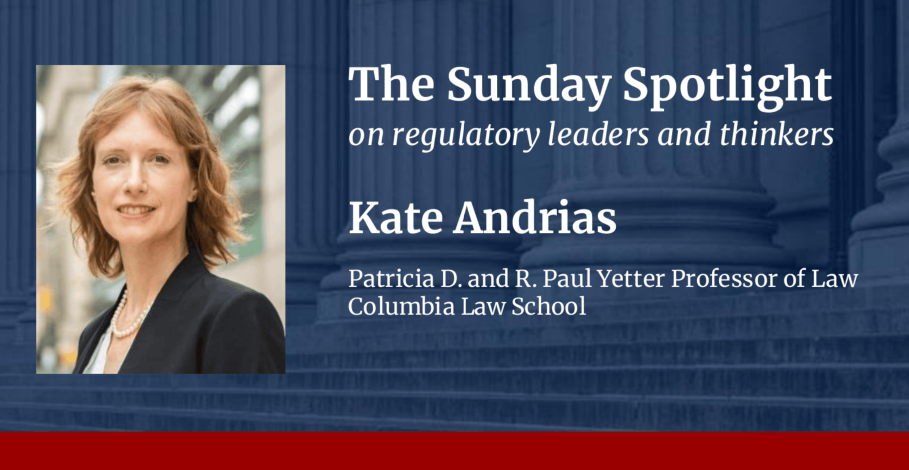
Worker standards boards—tripartite bodies pairing workers, employers, and public officials—are emerging as the workaround to federal preemption doctrine, according to Kate Andrias of Columbia Law School interviewed by The Regulatory Review. These boards regulate employment conditions directly rather than organizing and collective bargaining, sidestepping NLRB jurisdiction. Illinois, Connecticut, and others have also constitutionalized worker protections for fair wages and bargaining rights, setting precedent for states skeptical of federal reform [Quelle: The Regulatory Review].
Expect more states to copy the playbook.
Arbitration waiver stays broad
The EFAA ruling still haunts enforcement nationwide.
Following last week's ruling that the Ending Forced Arbitration of Sexual Assault and Sexual Harassment Act lets employees void arbitration for all claims in a lawsuit—not just the sexual-assault allegation itself—employers remain locked in reassessment mode. Dispute-resolution clauses drafted before that interpretation now carry litigation risk when employees invoke EFAA breadth, forcing vendors and in-house teams to rewrite templates or face enforcement gaps [Quelle: National Law Review].
Clause audits should wrap by year-end renewals.
NLRB removal protections under fire
Corporate litigation is targeting the NLRB's legal scaffold.
Emerging constitutional challenges from corporate litigants are questioning removal protections and the NLRB's administrative adjudication framework, drawing parallels to 1930s legal battles over economic power distribution, according to Andrias. These suits could reshape labor enforcement if they succeed in court. The stakes touch every employer with unionization exposure or unfair-labor-practice exposure [Quelle: The Regulatory Review].
Monitor the docket closely through 2027.
Recent Employment, Labor, EEOC & NLRB Regulatory Law News12 hours ago ... Trending legal news on employment law & labor laws including, FMLA, OSHA, ERISA, EEOC, OSHA, wrongful termination, overtime, background checks, & more.natlawreview.com
 New Labor Initiatives Under Evolving Policy Considerations11 hours ago ... ... amendments is in areas where state regulation is not preempted by federal law. In the area of labor, state constitutional provisions can set minimum employment ...theregreview.org