HR and future of work · Industry brief
Top three stories shaping HR and future of work today, written for someone who already works in the industry: regulation, M&A, new entrants, notable filings, and any precedent worth pulling. Cite the trade publication (e.g. trade press, government source, court docket) directly so I can follow up.
← See today's latestNew York file access law tightens compliance, AI impersonation litigation accelerates
New York personnel access mandate
Employee file access becomes a hard compliance deadline in seven weeks.
Governor Hochul's S3460 takes effect November 8, 2026, requiring employers to provide personnel records within five business days at no cost and notify employees within ten days whenever negative information is added to their file [Quelle: Jackson Lewis]. The New York Attorney General enforces with fines of $500–$2,500 per violation; records must be retained for three years post-termination. Multi-state operators now face overlapping federal reversal pressure and state access mandates just as year-end outsourcing demand peaks.
Notification workflows and retention audits need locking in before October.
New York construction pay requirements
Construction employers face hard new pay floors starting December.
Hochul also signed A6950, the Construction Reporting Pay Act, effective December 8, 2026, mandating employers pay workers at least four hours at their hourly rate (or prevailing wage on public projects) when they report to work as requested, and two hours of pay for shifts cancelled with less than twelve hours' notice [Quelle: Jackson Lewis]. Additional bills await the governor's signature—the No Severance Ultimatums Act, Anti-Waiver of Employment Rights Act, and Wage Payment Integrity Act—many taking effect immediately upon signing. Payroll systems and scheduling policies need revision now to avoid December exposure.
Watch for Attorney General guidance on reporting documentation standards.
AI impersonation and deepfake harassment
Deepfakes and AI impersonation are now employment law liability vectors.
Courts are already awarding damages for synthetic harassment: Carranza v. City of Los Angeles returned a $4 million jury verdict for sexual harassment involving fabricated imagery under California law, establishing that AI-generated content qualifies as unlawful harassment [Quelle: NYSBA]. The EEOC's 2024–28 Strategic Enforcement Plan emphasizes scrutiny of technology-driven discrimination; New York City law creates strict liability where AI systems exercise managerial functions and actual liability where employers knew or should have known of discriminatory conduct. Harassment policies must now expressly cover AI-generated impersonation, authentication controls need strengthening, and investigation protocols must adapt for synthetic evidence.
Expect discovery pipelines to widen as plaintiffs' counsel exploits this gap.
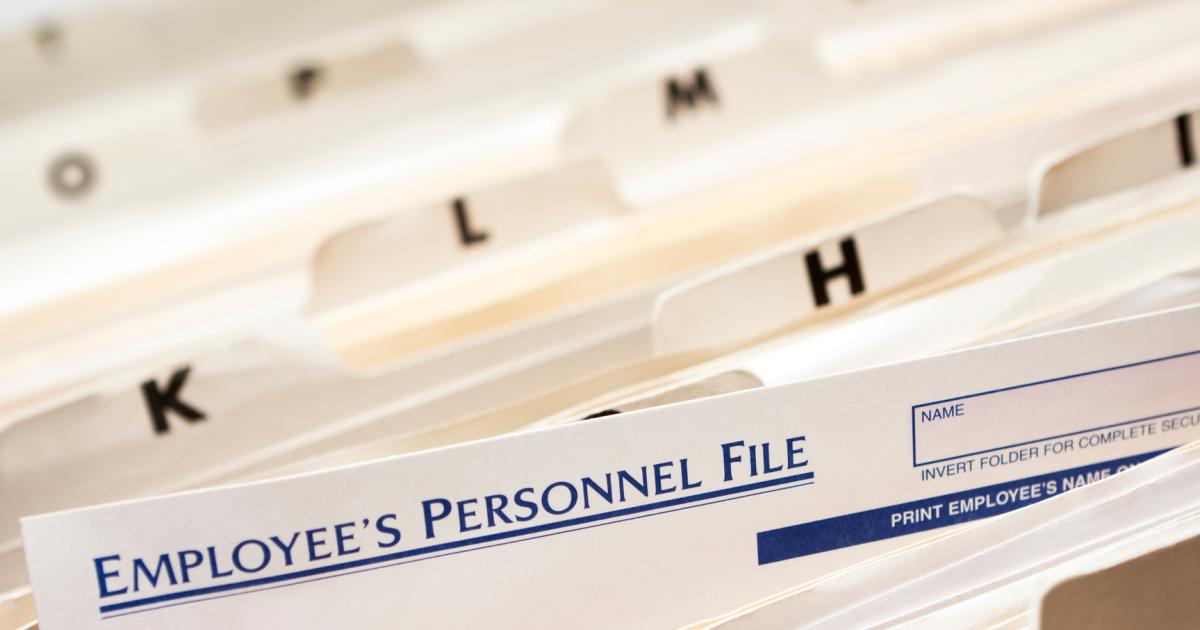 Personnel Records Access, Construction Pay Reporting + More20 hours ago ... The attorney general may bring enforcement actions with fines of $500–$2,500 per violation. Retaliation is prohibited. Best Practices for Employers. Audit ...jacksonlewis.com
 Digital Doppelgängers in the Workplace: Emerging Employment ...15 hours ago ... ... workplace matters including discrimination, retaliation, compliance and risk management. ... litigation and international employment compliance. He represents ...nysba.org