Cybersecurity · Industry brief
Top three stories shaping Cybersecurity today, written for someone who already works in the industry: regulation, M&A, new entrants, notable filings, and any precedent worth pulling. Cite the trade publication (e.g. trade press, government source, court docket) directly so I can follow up.
← See today's latestPentesting automation lands big capital; vendor consolidation accelerates
AI pentesting funding surge
Offensive security is automating faster than the market can absorb.
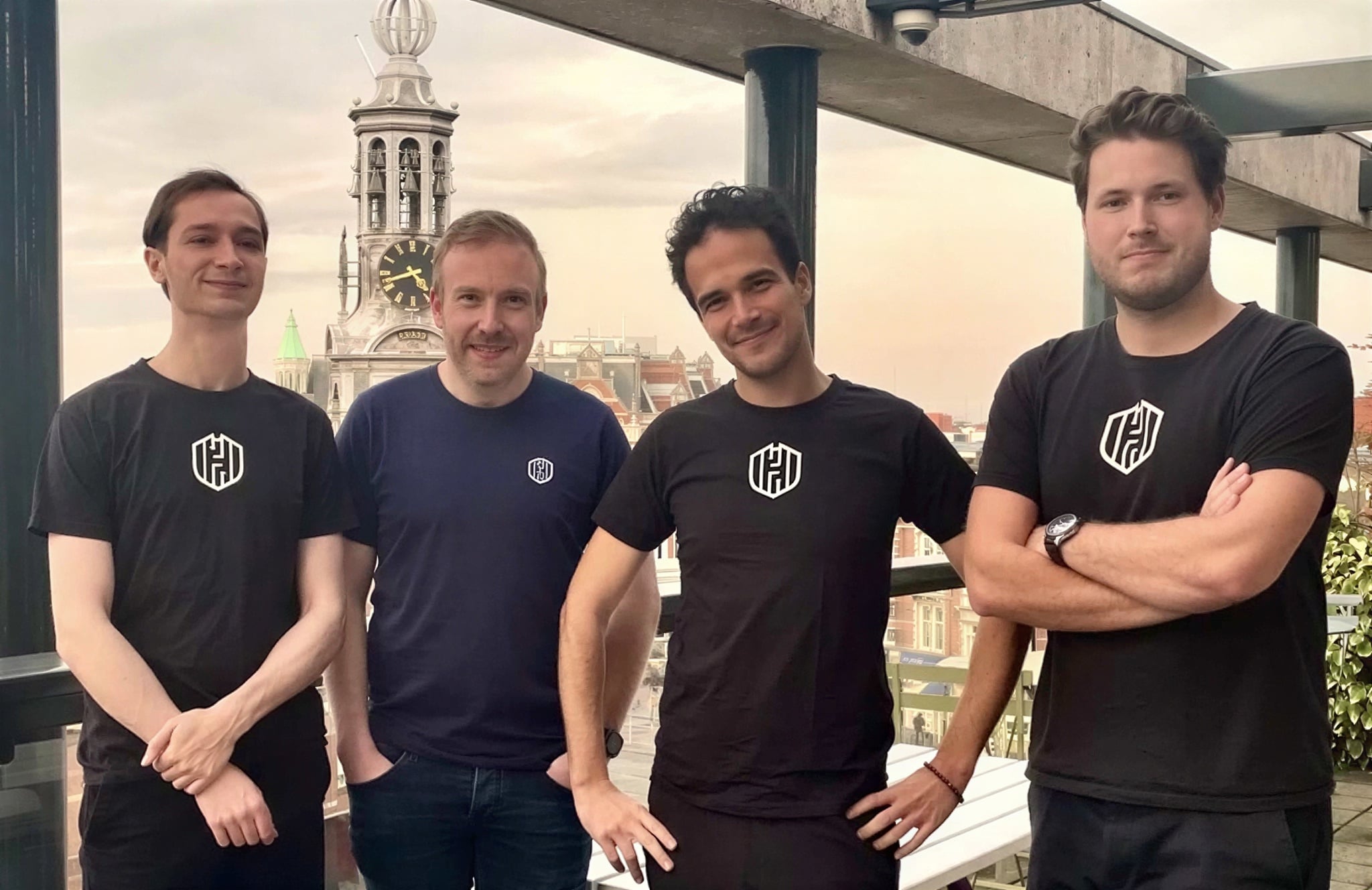
Hadrian, an Amsterdam-based AI-powered pentesting platform, closed $40 million in Series B funding led by Forgepoint Capital International and Smartfin, bringing total capital to $65 million [Source: AI Pressroom]. The platform runs over 100 million attack simulations daily using AI agents to automate penetration testing and vulnerability management. Competing firms like XBOW, Horizon3, and Armadin have collectively raised over $1 billion in the same sector, signaling that well-capitalized consolidators are emerging in offensive security.
Watch for acqui-hire velocity among smaller pentesting shops.
Cybersecurity market hits stage 3
The top 20 vendors now control nearly 70 percent of the market.
Cybersecurity entered stage 3 of consolidation in 2024, with the top five players—Palo Alto Networks (including CyberArk), Cisco (including Splunk), Fortinet, Microsoft, and CrowdStrike—commanding 38.7% of global revenue [Source: LinkedIn]. The 40 leading vendors announced 25 acquisitions worth $5.4 billion in 2024—down deal count but up 36 percent in value when excluding Cisco's prior Splunk buy. CyberArk's $1.5 billion acquisition of Venafi for machine identity and Sophos's $859 million purchase of Secureworks exemplify the pivot toward platform consolidation over point solutions.
The industry expects the top three to control 70–90 percent market share within 7–10 years.
Enterprise tool sprawl meets platformization
Organizations deploying 60–83 security tools are hitting integration walls.
Enterprises managing 60–70 security tools from multiple vendors—some as high as 83 solutions from 29 vendors—are accelerating platformization to reduce stack complexity and operational friction [Source: LinkedIn]. The consolidation pressure is intensifying because IT infrastructure vendors like ServiceNow are expanding into native security, forcing specialized cybersecurity players to compete against deeply integrated competitors. Attack surface management and data security emerged as the leading investment themes in 2024, with vendors bundling these capabilities into unified platforms rather than standalone tools.
Standalone point-solution vendors face mounting M&A pressure from platform acquirers.
 Cybersecurity vendor fragmentation trends - LinkedIn11 hours ago ... Every industry goes through 4 stages of consolidation, and cybersecurity is now at stage 3 (less than 10 years away from full consolidation). Twenty years ...linkedin.com
 Hadrian Raises $40M to Automate AI Pentesting17 hours ago ... Market consolidation: The investment highlights a trend towards consolidation in the offensive security market ... The catch: The offensive cybersecurity market ...aipressroom.com