Cybersecurity · Industry brief
Top three stories shaping Cybersecurity today, written for someone who already works in the industry: regulation, M&A, new entrants, notable filings, and any precedent worth pulling. Cite the trade publication (e.g. trade press, government source, court docket) directly so I can follow up.
← See today's latestPlatform wars heat up, enforcement tightens, regulatory precedent spreads
Three competing platform models
Cybersecurity isn't consolidating—it's fracturing into three distinct camps.
Large platform vendors like CrowdStrike, Palo Alto Networks, and Fortinet are expanding beyond their roots: CrowdStrike grew ARR 24% year-over-year to $5.5 billion in Q2 2026, while Palo Alto achieved 60% ARR growth in Next-Generation Security with 2,280 platformization customers [Quelle: Nasdaq]. Infrastructure providers like Cisco and Broadcom are embedding security into broader enterprise platforms, while specialists—Rubrik at 32% subscription ARR growth to $1.57 billion, Qualys maintaining 46% non-GAAP margins—remain strategically essential in focused domains. AI adoption is fueling spending rather than displacing it.
Vendor consolidation pressure shifts from "who wins" to "which model survives."
FTC intensifies AI washing enforcement
The FTC's crackdown on exaggerated AI claims just got sharper teeth.
Two years into "Operation AI Comply," launched September 2024, the FTC has initiated more than a dozen cases and is now scrutinizing B2B marketing claims to enterprise clients with the same rigor applied to consumer fraud [Quelle: Holland & Knight]. The agency is invoking the "means and instrumentalities" doctrine to hold vendors liable for supplying deceptive marketing materials downstream. The SEC's Cyber and Emerging Technologies Unit has also prioritized AI-related misrepresentations in securities fraud cases, with multiple class actions filed against public companies.
Cybersecurity vendors making AI availability or performance claims without objective substantiation should audit their sales collateral now.
Chile's critical infrastructure designation sparks precedent
Chile's highest mining companies are fighting over a cybersecurity label—and losing.
Twelve Chilean entities, including three Antofagasta Minerals mines and fuel retailer Copec, filed legal challenges against the National Cybersecurity Agency's designation of them as vital infrastructure operators under the Framework Law on Cybersecurity [Quelle: Rio Times]. Designation triggers compliance obligations including incident reporting and security standards, with penalties reaching approximately US$3.1 million for serious breaches. The Santiago Court of Appeals' ruling will set precedent for how judges interpret critical infrastructure scope and may affect hundreds of other firms in future designations.
Watch whether courts narrow the definition and affect regulatory reach across Latin America.
 Cybersecurity's Next Phase: Competing Business Models ... - Nasdaq16 hours ago ... ... security architectures, the broader industry trend has been toward platform consolidation. Among the largest pure-play cybersecurity companies, this is ...nasdaq.com
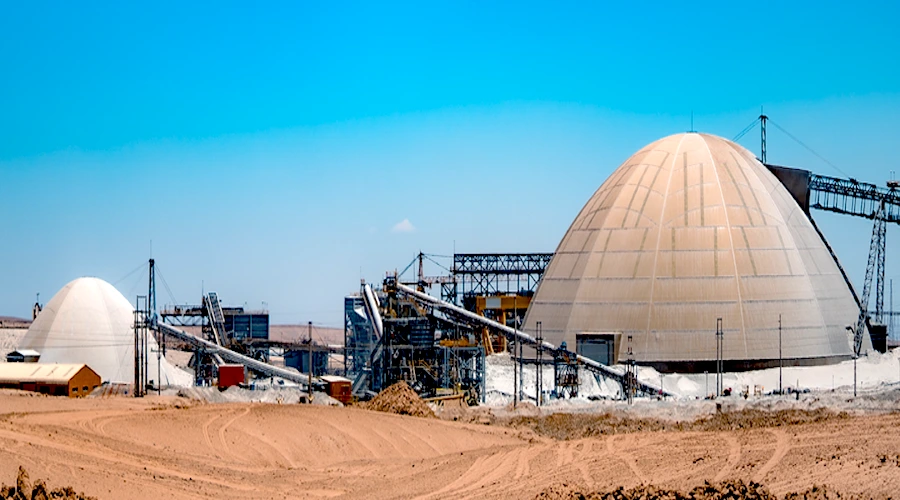 Chile's Biggest Mines and Copec Sue Over a Cybersecurity Label19 hours ago ... ... cybersecurity law. Twelve Chilean companies have filed legal challenges against a government decision that labels them critical cyber infrastructure. The ...riotimesonline.com
 "Operation AI Comply" 2 Years Later: Continued Enforcement ...6 hours ago ... Beginning with enforcement actions in 2024 against investment advisors for ... Artificial Intelligence Artificial Intelligence Policy & Regulation Data ...hklaw.com