Legal tech · Industry brief
Top three stories shaping Legal tech today, written for someone who already works in the industry: regulation, M&A, new entrants, notable filings, and any precedent worth pulling. Cite the trade publication (e.g. trade press, government source, court docket) directly so I can follow up.
← Zur aktuellen AusgabeAI due diligence reshapes M&A; Big Tech faces $1trn liability wave
AI Due Diligence Transforms M&A
Contract review just got radically faster and cheaper.
Leading firms including GSK Stockmann and Bruchou & Funes de Rioja are now running live M&A transactions on AI-powered due diligence platforms, with Harvey reporting 15–20% time savings on structured diligence and up to 75% savings on unstructured data rooms [Source: Harvey]. The technology handles consistent contract analysis across thousands of documents, cross-document pattern recognition, and automated risk flagging—all grounded to source material, increasingly a client and regulator expectation. Over 25,000 custom agents are already operating on Harvey's platform, signaling a shift toward agentic workflows that autonomously execute multi-step diligence protocols rather than reactive tooling.
Deal economics are tilting; smaller transactions and less profitable practice areas now pencil out.
Big Tech Faces $1 Trillion Liability Wave
The legal shield around Big Tech is fracturing fast.
US states are mobilizing a $1 trillion sledgehammer after courts have begun chiselling cracks in the liability wall protecting Meta and peers from responsibility over social media harm [Source: The Times]. These precedent cases are opening pathways for state-level claims that reshape the risk calculus for platform operators and their counsel. The cascade of liability cases signals a fundamental shift from immunity to accountability in how courts treat algorithmic amplification and user harm.
Watch whether Big Tech's in-house teams now demand litigation readiness across state jurisdictions.
Vendor Consolidation Signals Shift to Embedded AI
The fragmented legal ops stack is collapsing into integrated platforms.
Following yesterday's report on CRIDO picking Libra, today's M&A and funding activity confirms firms are abandoning best-of-breed tooling in favor of cloud-native legal stacks bundling practice management with AI governance built in. This trend reflects a market-wide decision: standalone AI assistants no longer compete; embedded intelligence tied to operational workflows is table stakes [Source: Capital Riesgo]. Vendors unable to offer coherent platform narratives face margin compression and consolidation pressure.
Expect acquisition velocity to spike among single-feature players.
 Big Tech's $1trn court case beckons over social media harm22 hours ago ... In each, the judges have chosen a handful of “bellwether” cases to go to trial. Plaintiffs share the same goal: to establish a legal precedent that social ...thetimes.com
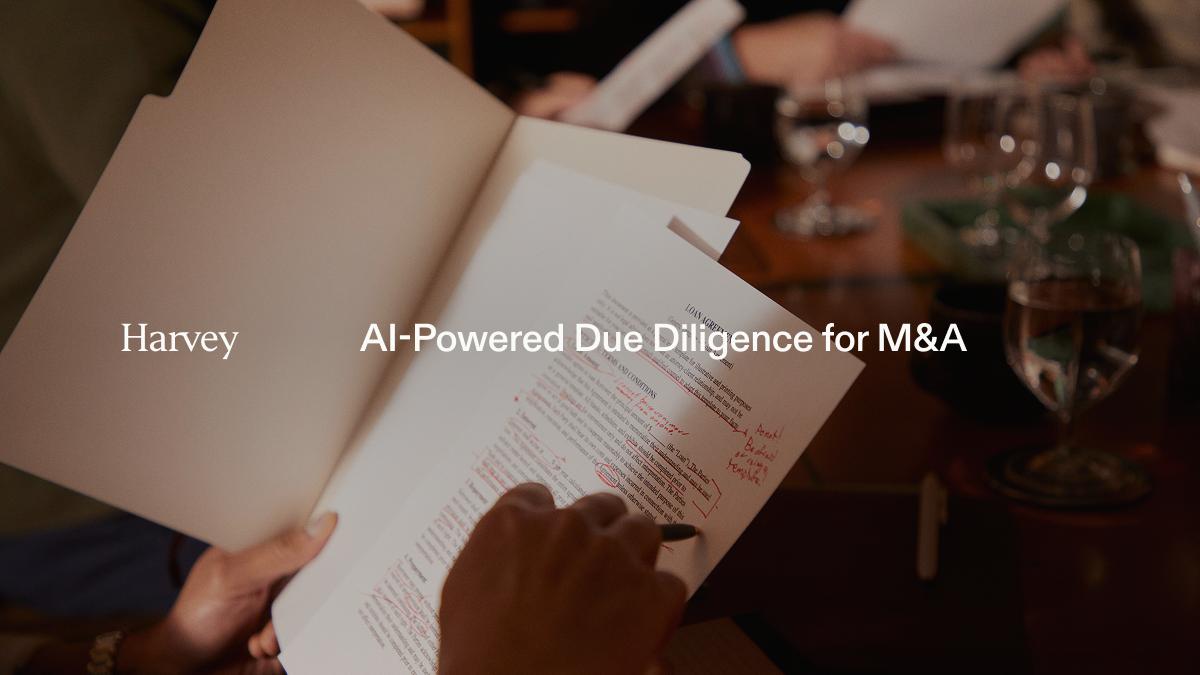 The Guide to AI-Powered Due Diligence for M&A Professionals11 hours ago ... The technology does not make judgment calls about whether a risk is acceptable or how it should affect the deal. That is still the lawyer's job. But it does ...harvey.ai