Real estate · Industry brief
Top three stories shaping Real estate today, written for someone who already works in the industry: regulation, M&A, new entrants, notable filings, and any precedent worth pulling. Cite the trade publication (e.g. trade press, government source, court docket) directly so I can follow up.
← Zur aktuellen AusgabeLA office scores megadeal; German valuations face refinancing squeeze
LA Office Megadeal
One LA complex just landed one of the nation's biggest office loans.
The deal underscores how trophy-grade assets with stable tenancy can still access deep capital in a market where most office refinancing struggles [Quelle: CoStar]. Strong sponsorship, low leverage, and prime geography matter more than sector sentiment. This precedent signals that lender appetite exists—but only for assets that can demonstrate cash-flow resilience and location premiums.
Watch which other trophy assets test the market next.
German Market Valuation Pressure
Selling pressure is reshaping German commercial valuations in real time.
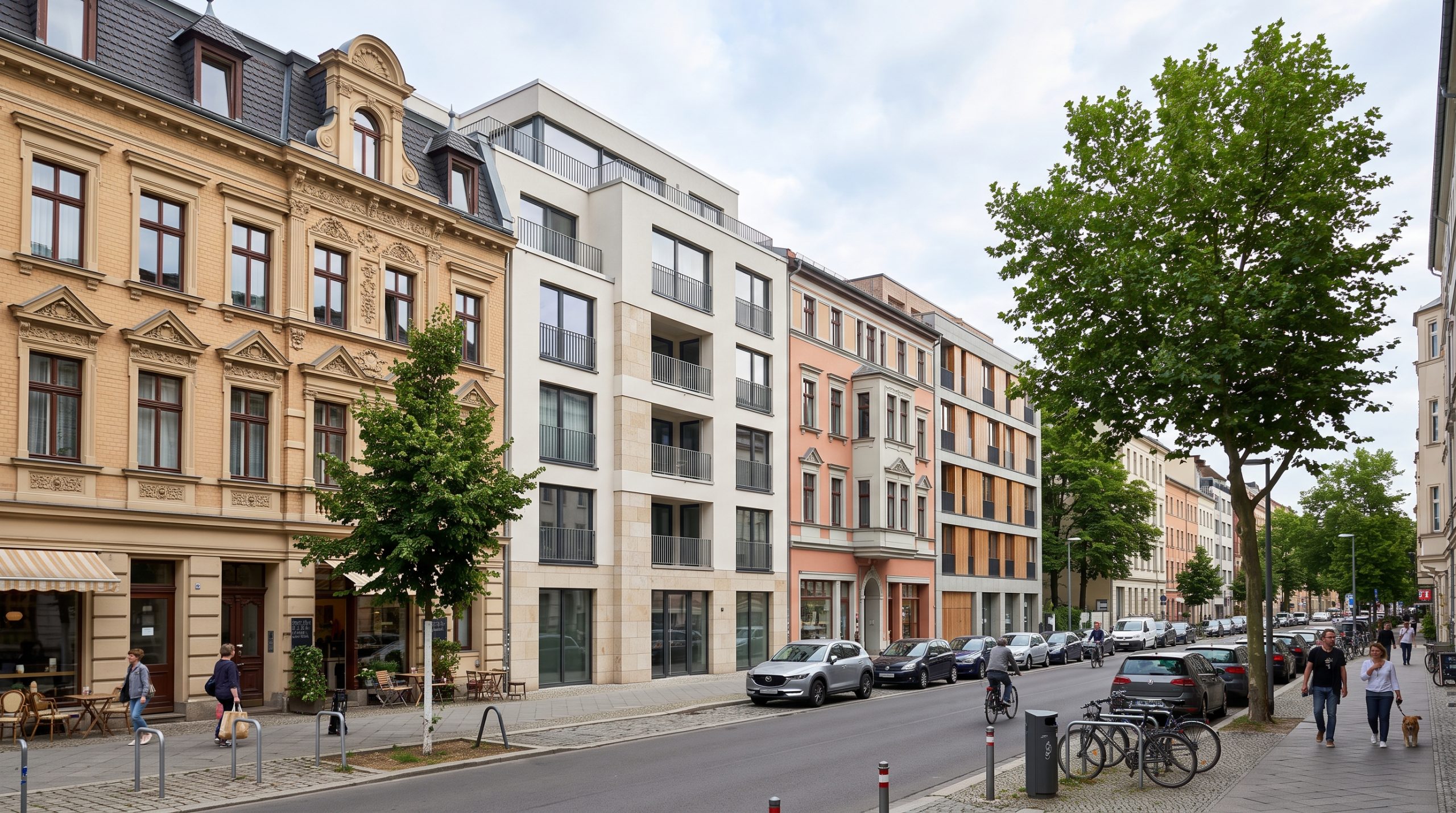
Avison Young's analysis of the German market reveals that financial pressure—refinancing maturities, fund outflows, NPL concerns—is forcing sales of performing assets, which then anchor prices downward across comparable portfolios [Quelle: Asset Physics]. The loss ratio on German commercial loans remains below the European average at 0.11 percent, but 93 percent of open-ended fund sales are driven by liquidity need rather than asset deterioration. Downward price discovery cascades into refinancing stress for hold-portfolio owners.
Secondary-market assets face the sharpest repricing risk heading into year-end.
Refinancing Wall Tightens Scope
The $875 billion refinancing wall is narrowing lender appetite to prime assets only.
Following the refinancing pressure analysis from earlier this week, lenders are now tightening beyond asset quality into sponsor strength and local operating cost exposure. Banks are maintaining strict underwriting despite available liquidity, with rising insurance and property tax burdens becoming approval hurdles [Quelle: CoStar]. Secondary-market portfolio owners face compounding refinancing risk as base-case assumptions deteriorate.
Expect portfolio sales in secondary metros to accelerate into Q1 2027.
 Why this LA office complex scored one of nation's biggest loans9 hours ago ... ... Properties. Cash-out refinancings have become uncommon in the office sector because lenders generally prefer owners to keep more equity, or "skin in the ...costar.com
 When selling pressure brings prices into focus: Avison Young ...2 hours ago ... Expiring financing, more difficult refinancing and outflows of capital from funds are increasing the pressure to act on parts of the German property market.assetphysics.com