E-commerce marketing · Industry brief
Top three stories shaping E-commerce marketing today, written for someone who already works in the industry: regulation, M&A, new entrants, notable filings, and any precedent worth pulling. Cite the trade publication (e.g. trade press, government source, court docket) directly so I can follow up.
← Zur aktuellen AusgabeEU tightens VLOP rules, India holds platforms liable, TCPA litigation surges
EU VLOP designation costs
The EU's designation threshold just became your operational baseline.
Platforms and search engines with over 45 million monthly users in the EU are now classified as Very Large Online Platforms (VLOPs) or Very Large Online Search Engines (VLOSEs) under the Digital Services Act, triggering stringent compliance obligations [Quelle: European Commission]. Designated services must establish authority contact points, publish transparent terms and conditions, maintain advertising repositories, assess systemic risks to fundamental rights and consumer protection, undergo independent audits annually, and grant vetted researchers access to platform data. The Commission provides four months to comply following designation, with user figures reviewed every six months.
Audit your current user count and internal compliance function now—reassessment cycles are coming.
India tightens platform liability
Indian courts just closed the intermediary loophole for marketplaces.
India's Consumer Protection Act and E-Commerce Rules establish joint liability for platforms and sellers when platforms exercise control over pricing, packaging, logistics, or complaint resolution [Quelle: LawVaani]. Landmark cases including Amazon Seller Services v. Gopal Krishan and Shaikh Umar Farooq v. Flipkart affirmed that platforms cannot disclaim responsibility by pointing to third-party sellers, particularly when defects, service failures, or unfair practices harm consumers. The fall-back liability clause prevents intermediary defences when platform conduct contributes to loss.
If you operate inventory management or fulfillment in India, review your terms—courts are enforcing platform accountability.
TCPA statutory damages climb
Text message and call campaigns now carry $500–$1,500 per-violation exposure.
The Telephone Consumer Protection Act exposes retailers to dramatic TCPA litigation increases, with each message or call potentially triggering statutory damages [Quelle: Hunton Andrews Kurth]. Compliance requires prior express written consent for telemarketing, multiple opt-out methods recognizing seven per se revocation terms (stop, quit, end, revoke, opt out, cancel, unsubscribe), scrubbing against the National Do Not Call Registry and Reassigned Numbers Database, and respecting quiet hours (9 p.m. to 8 a.m. recipient time). Recent litigation has escalated around quiet-time violations and opt-out language interpretation.
Strengthen consent documentation, internal do-not-call lists, and policy updates—compliance is now litigation defence currency.
DSA: Very large online platforms and search engines20 hours ago ... Online platforms and e-commerce · The Digital Services Act · The impact of the ... share their data with the Commission and national authorities so that they can ...digital-strategy.ec.europa.eu
 TCPA Compliance for Marketing Campaigns: Practical Steps to ...6 hours ago ... Regulatory, Technology & E-Commerce. Category. Tag. Tag, 29 C.F.R. § 785.48, 396-r, 3D Printer, 3D Printing, A. Todd Brown, A.S. Research (ASR), Aaron P.hunton.com
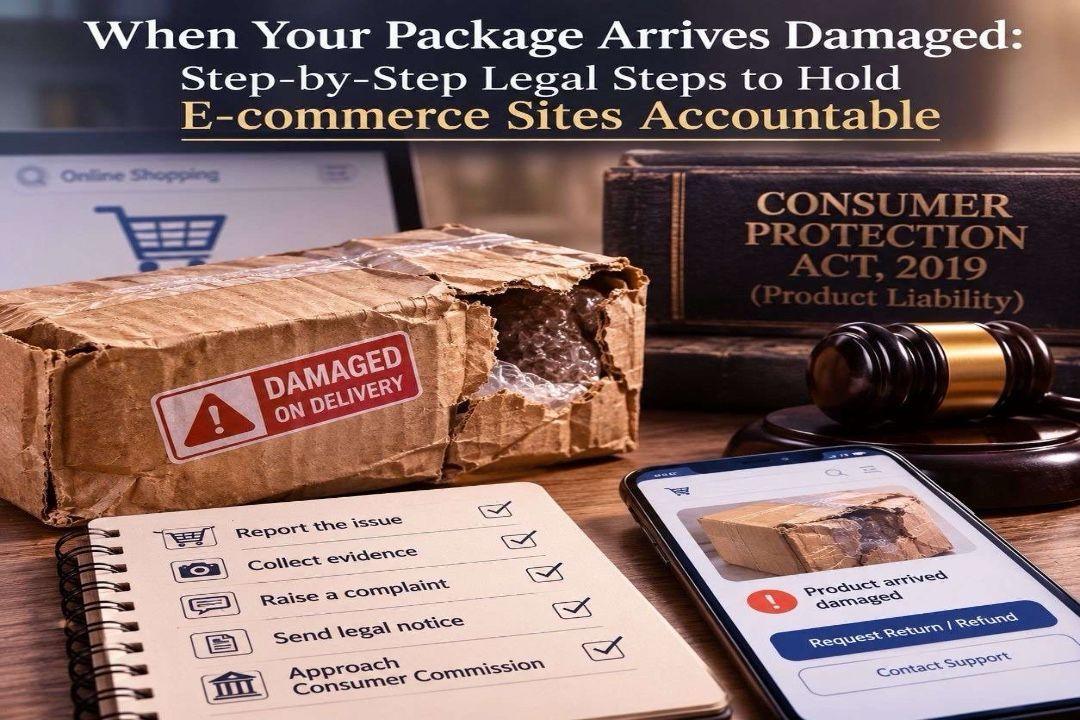 When Your Package Arrives Damaged: Step-by-Step Legal Steps to ...8 hours ago ... Challenges in Holding E-Commerce Platforms Accountable. Despite this ... platform cannot come at the cost of accountability to the consumer. The ...lawvaani.com