Cybersecurity · Industry brief
Top three stories shaping Cybersecurity today, written for someone who already works in the industry: regulation, M&A, new entrants, notable filings, and any precedent worth pulling. Cite the trade publication (e.g. trade press, government source, court docket) directly so I can follow up.
← Zur aktuellen AusgabeHIPAA enforcement escalates, submarine cables under review
HIPAA Security Rule enforcement
HHS is moving from documentation audits to action audits.
The Office for Civil Rights has shifted its enforcement focus: organizations must now demonstrate they're actively mitigating identified risks, not merely logging them in annual reviews [Quelle: Clearwater Security]. Nick Heesters, OCR's senior advisor for cybersecurity, has made clear that vulnerabilities found in consecutive risk assessments but left unpatched constitute willful neglect—penalties run $73,011 per day per violation. In 2025, hacking caused 76 percent of large breaches affecting covered entities, with over 286 million individuals compromised.
The bigger shift: OCR now requires continuous risk management using NIST CSF 2.0 and HHS 405(d) frameworks, not just annual snapshots.
HIPAA Security Rule revision stalled
The promised overhaul just got pushed back a year.
HHS delayed final action on the Security Rule to at least July 2027, though the Privacy Rule moves to August separately [Quelle: Clearwater Security]. The January 2025 proposal would eliminate the distinction between "required" and "addressable" specifications and mandate written documentation for all security policies—industry estimates pegged the first-year cost at $9 billion. Paula Stannard, OCR director, signaled the proposal survives despite rescission calls from CHIME and other provider groups.
Covered entities face a dual challenge: stricter enforcement now, but regulatory clarity still years away.
Submarine cable licensing under scrutiny
National security agencies are rewriting the book on critical cables.
The Federal Register published notice of a formal review into submarine cable landing license rules and procedures, examining how national security fits into modern approval workflows [Quelle: Federal Register]. The timing signals growing concern over foreign investment in transatlantic and transpacific infrastructure—particularly as private and state-backed entities compete for underwater fiber routes.
Expect new vetting criteria and longer approval timelines for international cable projects.
 Review of Submarine Cable Landing License Rules and ...9 hours ago ... ... security of U.S. communications networks and critical infrastructure against foreign adversary threats. III. Second Further Notice of Proposed Rulemaking. In ...federalregister.gov
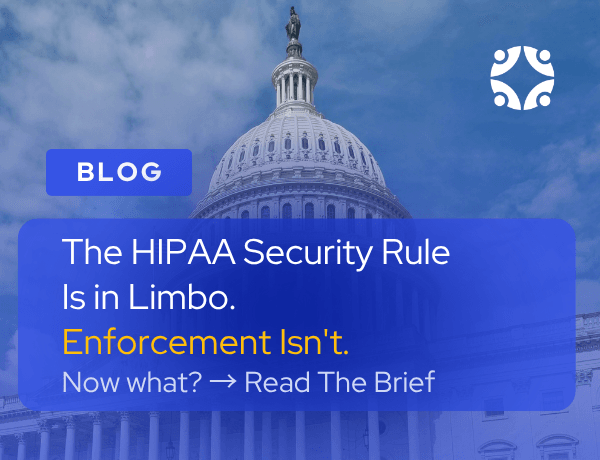 HIPAA Security Rule Enforcement: Where Things Stand in 20265 hours ago ... That's the situation right now with federal healthcare cybersecurity regulation ... Stay informed on the latest healthcare cybersecurity, privacy, and compliance ...clearwatersecurity.com